
24/7 Customer Support

Free returns

Same-day & Next-day Delivery

Quality Guaranteed

Unlock Your Welcome Offers: FREE Delivery | Up to 80% OFF | Free 30-day JoyPlus trial
Download the APP
Mince is one of the most useful ingredients for UK kitchens, but choosing the right product is not simply a matter of comparing pack sizes. The fat content, storage format, texture and intended recipe can all affect the final result.
A suitable choice can make a difference to Bolognese, burgers, meatballs, dumplings, chilli, cottage pie and international dishes. The wrong one may leave you with a watery pan, a dry filling or a product that does not suit your dietary requirements.
A low-priced pack is not always the most practical option if it contains excess liquid, a small net weight or a texture that requires additional ingredients. Compare the net weight, ingredient list and whether the mince is fresh, frozen, meat-free or ready to eat.
Frozen mince can be convenient for meal planning, while fresh mince is useful when you intend to cook immediately. Ready-to-eat minced beef, such as a tinned meal, serves a different purpose from raw mince and should not be compared on price alone.
Very lean minced beef can be useful for lighter meals, but it may produce firmer or drier burgers and meatballs. Pork mince with around 15% fat, for example, can provide moisture for dumplings, sausage rolls and meatballs.
For sauces and cottage pie, a leaner texture may be suitable. For shaped dishes, a moderate fat content can help bind the mixture and improve mouthfeel without requiring additional oil.
A meat grinder is designed to push meat through a cutting blade and interchangeable screens, creating a more consistent mince. A food chopper cuts ingredients into smaller pieces using rapidly rotating blades. It can be useful for small quantities of meat, onions, garlic and vegetables, but it may not create the same texture as a dedicated grinder.
Always check the appliance instructions. Some food choppers should not be used with frozen food, bones, ice or hard ingredients.
The ideal mince depends on how you plan to use it:
For example, the HG Walter Beef Mince 500g listing describes a 10–15% fat range, while HG Walter Pork Mince 500g is described as containing around 15% fat. These figures provide useful context when selecting mince for frying, shaping or slow cooking.
Fresh mince should be kept refrigerated and used according to the use-by date on the packaging. Store raw meat in a sealed container on the bottom shelf of the fridge to reduce the risk of cross-contamination.
Frozen products should generally remain at -18°C or below, following the packaging instructions. Once frozen mince has been defrosted, do not refreeze it unless the label specifically permits this after cooking. The Celeplate Spanish Minced Pork 250g listing advises consuming it within 24 hours after defrosting and not refreezing.
For meat-free frozen mince, follow the cooking directions rather than relying only on appearance. Quorn Mince 300g, for instance, is listed for cooking from frozen and includes a stated hob cooking time of 10–12 minutes when added to sauce.
If you regularly prepare homemade mince, check more than the wattage. Important specifications include:
The Kenwood MG510, for example, lists three screens, a 1600W maximum power output, overload protection and a reverse function. It also specifies a maximum continuous use period of 15 minutes. A food chopper may have a much shorter operating cycle, so this detail matters when preparing family-sized batches.
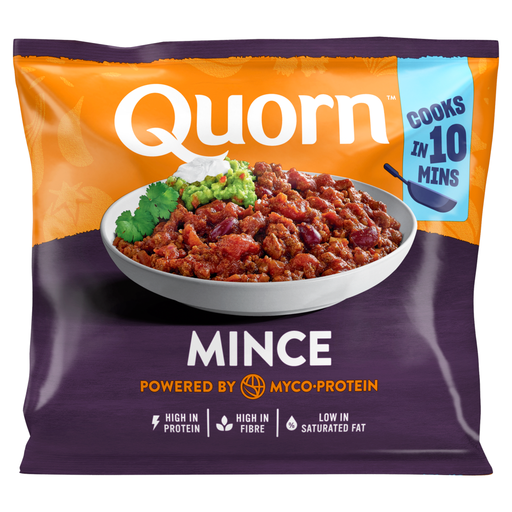
Why This Fits Their Persona: A convenient frozen vegetarian mince for students, smaller households and families wanting a meat-free option for familiar weekday meals.
The listing clearly identifies the product as vegetarian and frozen, while providing allergen information for egg and barley.
13g protein and 7.5g fibre per 100g; suitable for Bolognese, chilli and cottage pie.
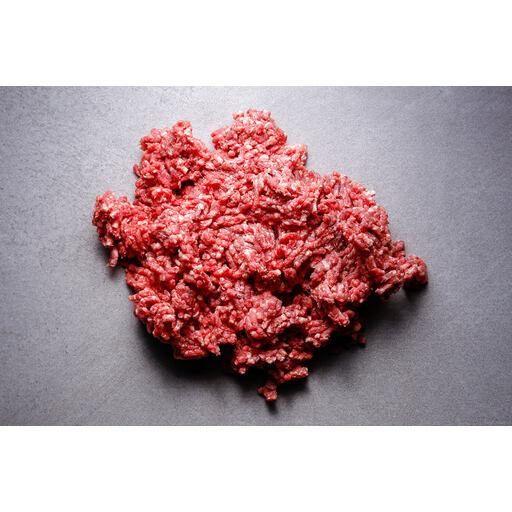
Why This Fits Their Persona: A 500g beef mince option for cooks who value stated sourcing information and want one pack for several traditional recipes.
The product information gives a stated fat range of 10–15% and identifies beef as the ingredient, helping you match it to the recipe.
100% beef is listed in the ingredients; suitable for burgers, ragù, meatballs and cottage pie.
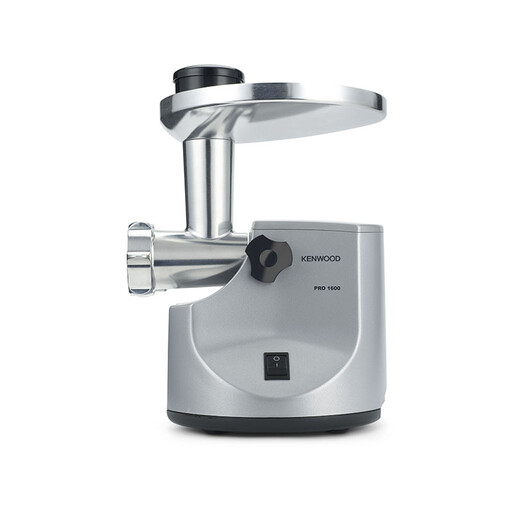
Why This Fits Their Persona: Designed for households preparing homemade mince, sausages or kebbe in larger batches rather than occasional chopping.
Its stated 15-minute maximum continuous-use period sets a clear operating expectation, while the food pusher and overload protection support safer use.
Three grinding screens; listed processing capacity of up to 2kg per minute; sausage and kebbe attachments included.
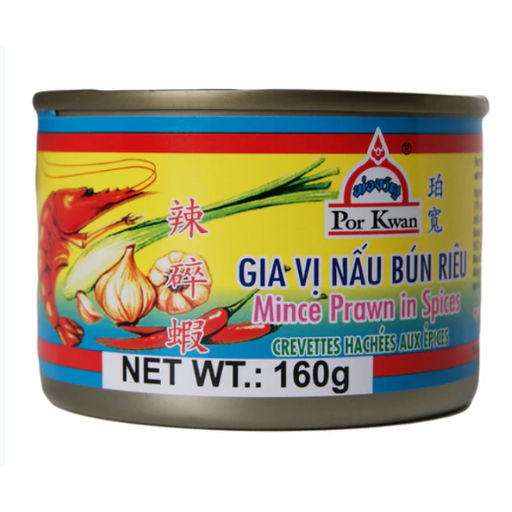
Why This Fits Their Persona: A ready-to-use Thai seasoning for cooks preparing quick rice dishes, stir-fries, noodle meals or prawn-inspired sauces at home.
The 160g net weight and ingredient list are clearly provided, including 18% prawn and highlighted crustacean allergen information.
Includes onion, garlic, lemongrass and chilli; can add Southeast Asian flavour without preparing every ingredient separately.
We have compiled a complete, real-time list of products that fully satisfy these strict selection criteria and UK safety regulations.
Use beef mince for a tomato-based Bolognese, chilli or cottage pie. Pork mince works well with ginger, garlic and spring onion in dumplings or meatballs. Combining beef and pork can create a richer filling for meatloaf or ragù.
For quick Asian-style meals, minced prawn products and a prawn seasoning sauce can be paired with noodles, rice or vegetables. The King Prawn Wonton Noodle Laksa Soup offers a freezer-friendly option with noodles, prawn wontons, bok choy and laksa broth; check its crustacean, wheat and sesame allergen information before serving.
When preparing raw mince, wash hands and utensils after contact, keep ingredients chilled and cook thoroughly. For a food chopper such as the BEAR QSJ-D03W5, follow its 40-second operating limit, allow the required rest period and never process bones, ice or unsuitable frozen food.
Neither format suits every household. Fresh mince is convenient for immediate cooking, while frozen mince can reduce waste and support batch meal planning. Check the storage instructions, defrosting guidance and use-by information before purchasing.
Some food choppers are designed to chop meat, but the texture may be less uniform than mince made with a dedicated grinder. Use short pulses, avoid overfilling the bowl and follow the appliance’s time limits. A grinder with fine, medium and coarse screens offers more control.
Follow the individual packaging instructions. The Celeplate Spanish Minced Pork listing advises storing defrosted product in the refrigerator and consuming it within 24 hours. Do not refreeze it raw. Always check the label before use and cook thoroughly.