Gym-goers wanting a sweet bite
A mini chocolate can be an occasional treat before a session, but its small size does not make it a substitute for a planned pre-exercise snack.


Choose mini boxed chocolates as an occasional small treat if you have already eaten before training, rather than relying on them as your main pre-workout snack. For planned exercise fuel, the British Dietetic Association advises a low-fat, high-carbohydrate snack or light meal two to three hours before exercise; University College London Hospitals NHS Foundation Trust also describes exercise snacks that include carbohydrate and protein with minimal fat.
A mini chocolate can be an occasional treat before a session, but its small size does not make it a substitute for a planned pre-exercise snack.
Individually wrapped assortments can make it easier to set aside a few pieces. Check the serving information and ingredients on the exact pack rather than judging a portion by the box size.
For food provided within the English school-food requirements for state-funded schools, chocolate falls within the definition of confectionery, which must not be provided. This is set out in the Requirements for School Food Regulations 2014; Department for Education guidance identifies the school-food scope in England.
Decide whether you want a small sweet or a snack intended to fuel exercise, then check the timing, stated portion and ingredients.
| Priority | What to check | Your needs |
|---|---|---|
| Timing and purpose | Check when exercise starts and whether you have already eaten. The British Dietetic Association advises a low-fat, high-carbohydrate snack or light meal two to three hours before exercise; University College London Hospitals NHS Foundation Trust describes exercise snacks with carbohydrate, protein and minimal fat. | If I need a planned pre-workout snack, I want to choose it for the session rather than assume a sweet bite will do the same job. |
| Stated portion | Compare nutrition using each pack’s stated serving, not the whole box. Celebrations gives values per 27.3g portion, while Quality Street gives values per two sweets. | A small treat is easier to plan when I can see what the nutrition figures refer to and choose how many pieces to have. |
| Ingredients and allergens | Read the selected assortment’s ingredient list, allergen emphasis and any may-contain statement. Different centres can contain different ingredients. | If an ingredient matters to me, I need to check the exact pack rather than rely on the assortment’s brand name. |
| School-food use | Check whether the purchase is for food provided under the English school-food requirements for state-funded schools. The Requirements for School Food Regulations 2014 define chocolate as confectionery and state that confectionery must not be provided in that scope. | For an English school-food purchase, I need an option that meets the applicable rules; I cannot treat a mini chocolate differently simply because the piece is small. |
Small wrapping helps define a serving, but it does not change the chocolate’s nutritional composition. Nestlé Confectionery UK lists 5.6g fat per two Quality Street sweets, while Celebrations lists 6.6g fat per 27.3g portion; the cited exercise-snack guidance favours minimal or low fat.
Have chocolate as an optional treat, not in place of the meal or snack you are counting on before training.
Fillings and ingredients vary within a box. Celebrations product information lists several allergen-containing ingredients, while Quality Street product information identifies dairy ingredients.
Read the ingredient and allergen information on the exact pack, including any may-contain statement, before choosing it.
The Requirements for School Food Regulations 2014 support the prohibition on providing chocolate confectionery within the relevant English school-food scope. That conclusion does not establish the rules for schools in Scotland, Wales or Northern Ireland.
Exclude chocolate confectionery from purchases covered by the English requirements; check the applicable local rules for school-food purchases elsewhere.
Cadbury UK lists Heroes and Roses as separate 290g assorted milk-chocolate boxes. Cadbury describes Heroes as chocolates made mini.
Celebrations is an assortment of chocolates with varied centres. Its product information states a 27.3g reference portion.
Nestlé Confectionery UK presents Quality Street as an assorted chocolate range and gives nutrition values per two sweets.
Ferrero Group UK describes Ferrero Rocher as a multi-layered chocolate praline. Its wrapped pieces fit a deliberate small-treat occasion rather than establishing it as a pre-workout fuel.
This chocolate box fits the occasional-treat side of the pre-workout decision, rather than serving as a recommendation for planned exercise fuel.
 No image available
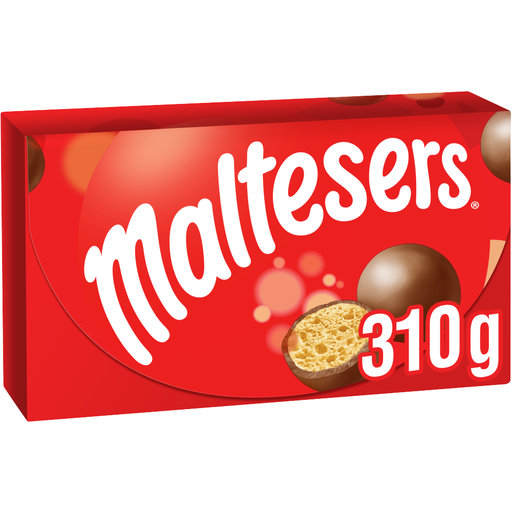
A chocolate box to consider for an occasional small treat rather than as your main pre-workout snack. The box is 310g; check its stated serving and ingredients when planning a portion.
They make more sense as an occasional small treat than as your main planned exercise fuel. The British Dietetic Association advises a low-fat, high-carbohydrate snack or light meal two to three hours before exercise, while University College London Hospitals NHS Foundation Trust describes exercise snacks containing carbohydrate and protein with minimal fat.
Consider whether you need food for the session or simply want a sweet. Do not assume a mini chocolate replaces a carbohydrate-led snack; take account of when you last ate and the exercise you have planned.
No, not when the food is provided within the English school-food requirements for state-funded schools. The Requirements for School Food Regulations 2014 define chocolate as confectionery and state that confectionery must not be provided in that scope; Department for Education guidance identifies the requirements as applying to school food in England.
Yes. Celebrations product information identifies several allergen-containing ingredients, and Quality Street product information identifies dairy ingredients. Check the exact pack’s ingredient list and any may-contain statement because pieces within an assortment can differ.