Home bakers choosing a small topping
If you want a colourful mix-in or decoration, choose something intended for the recipe rather than assuming bite-size chewing gum will work in a finished bake.


Choose a recipe-specific ingredient rather than the reviewed mini chewing gums for a cake, biscuit or decoration: these products are sold as chewing gum or bubble gum, contain gum base and have no stated baking directions. Small-format gum makes more sense as a separate item after serving; choose its flavour and pack format, then check the current label for ingredients relevant to your household.
If you want a colourful mix-in or decoration, choose something intended for the recipe rather than assuming bite-size chewing gum will work in a finished bake.
If gum is a separate party-bag item or something to chew after food, compare the flavour and whether a multipack or bottle suits how you plan to offer it.
Check the exact pack when sweeteners, phenylalanine or allergens matter. Keep xylitol-containing gum away from dogs: Blue Cross warns that even small amounts can be fatal to them.
Decide whether you need an ingredient for the bake or gum to offer separately. A small piece size does not answer the baking question.
| Priority | What to check | Your needs |
|---|---|---|
| Baking use | Check whether the product is intended for the recipe and has relevant preparation directions. The reviewed gums are labelled as chewing or bubble gum and list gum base; their small format does not establish oven suitability. | I want a mix-in or decoration to eat as part of a cake or biscuit, so I need a recipe-specific ingredient rather than chewing gum. |
| Serving format | For gum offered after food, compare the stated piece count, flavour and pack format. Check piece dimensions if a particular meaning of “mini” matters. | A separate piece of gum after dessert would suit the occasion; it does not need to go into the bake. |
| Sweeteners | Read the current pack for its sweeteners and warnings. Reviewed gum labels identify different sweetener combinations, and the Airwaves label warns about phenylalanine and excessive consumption. | If I am offering sugar-free gum, I want to know which ingredients are in this flavour and format before sharing it. |
| Guests and pets | Check declared allergens on the exact pack. Where dogs could reach gum or discarded wrappers, check for xylitol and keep the product out of reach; Blue Cross warns that xylitol is highly toxic to dogs. | Guests may need to check ingredients, and a dog must not be able to reach gum left near the food or in party bags. |
The reviewed products contain gum base and are sold for chewing. Their size does not establish how they will behave in an oven or in a finished recipe.
Use a topping or inclusion intended for the bake, and offer chewing gum separately if you want it.
Sweetener combinations and label warnings differ between the reviewed products, so one flavour or format cannot stand in for another when checking dietary suitability.
Read the current pack for sweeteners, phenylalanine warnings and declared allergens before offering it to guests.
Some sugar-free gum contains xylitol. Blue Cross warns that even small amounts can be fatal to dogs.
Keep packs and used wrappers out of reach. If a dog may have eaten xylitol-containing gum, contact a vet immediately and take the packaging if possible.
These examples illustrate chewing-gum formats, not ingredients recommended for baking or a list of brands available in the product section below.
Sainsbury's lists an Extra White sugar-free mint multipack of 5 × 10 pieces for chewing separately.
Sainsbury's lists a 10-piece menthol and eucalyptus sugar-free chewing gum.
Tesco lists a 40 g mini-gumball machine, an example of a visibly small bubble-gum format.
These chewing gums are options to offer separately after a home bake, not ingredients for mixing into or decorating one. Compare their stated flavour, piece count and pack format, and check the current pack before sharing.
 No image available
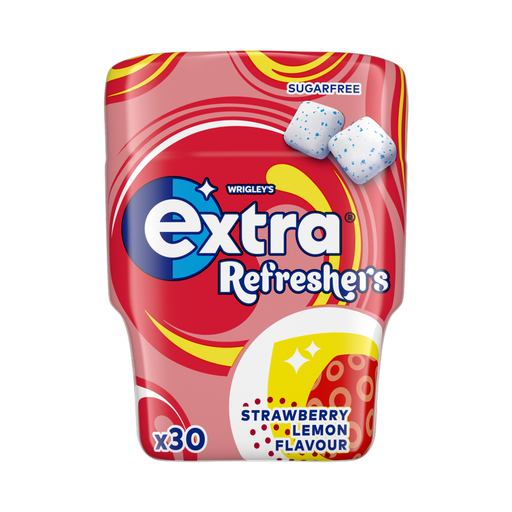
A strawberry-lemon chewing gum option to offer separately after dessert. Check the current pack for ingredients and allergens, and keep it away from dogs if it contains xylitol.
 No image available
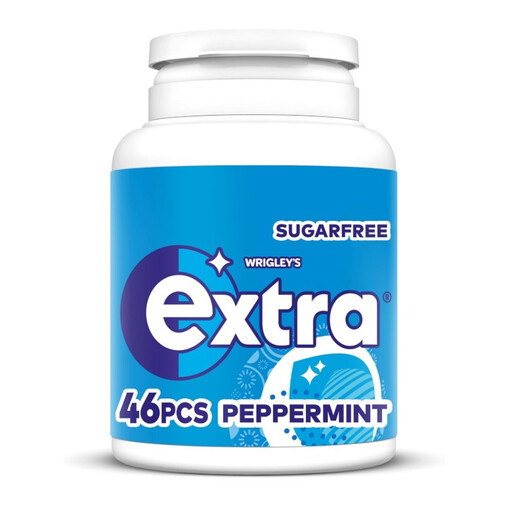
The bottle format suits gum offered separately from a bake. Check the current ingredient and allergen label before sharing, particularly where aspartame or soya is relevant.
 No image available
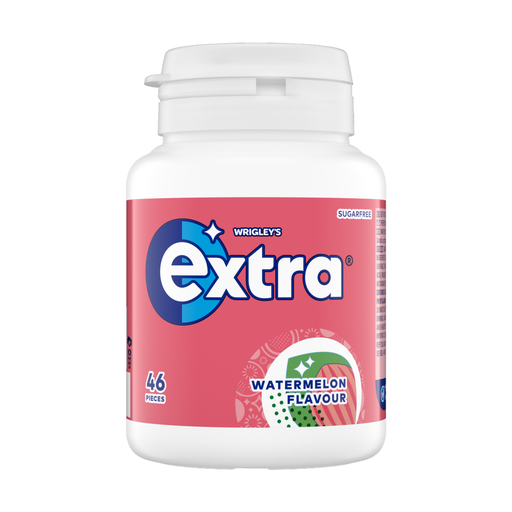
A watermelon-flavoured bottle option for chewing after food, rather than adding to a recipe. Check the current pack for ingredients and allergens; keep xylitol-containing gum out of dogs’ reach.
 No image available
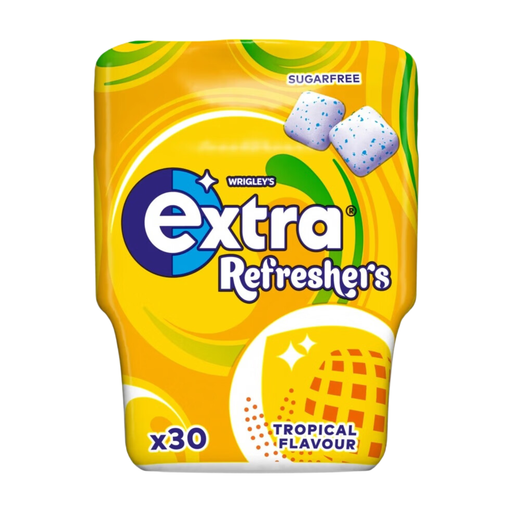
This tropical-flavoured bottle is an option for gum served separately after a bake. Check the current pack for its phenylalanine declaration and excessive-consumption warning.
Choose an ingredient intended for baking instead of the reviewed chewing gums. They are sold for chewing and list gum base; their reviewed product information gives no baking directions or confirmed oven performance.
Read the current pack for its sweeteners, phenylalanine declaration and allergens relevant to your guests. Ingredients can differ between products and flavours, so do not rely on the label of another gum.
If the gum may contain xylitol, contact a vet immediately rather than waiting for symptoms. Blue Cross warns that xylitol is highly toxic to dogs and that even small amounts can be fatal; take the packaging if possible.