Parents planning an after-school snack
The choice is often between a small snack bag, biscuits portioned from a larger bag and one wrapped bar. Each gives you a different way to decide what goes in a school bag or comes out at home.


Choose individually portioned mini bags when you want one pack to take away, or a larger bag of mini biscuits when you can portion them at home. A standard biscuit-bar multipack offers one bar instead of several small pieces. For any pack going to school, check its current allergen label and the school’s own rules.
The choice is often between a small snack bag, biscuits portioned from a larger bag and one wrapped bar. Each gives you a different way to decide what goes in a school bag or comes out at home.
A biscuit packed for school calls for a check of the school’s current packed-lunch and allergen policy, as well as the label on the exact pack.
Check the ingredients and precautionary allergen statement for the particular biscuit. A gluten-free description does not answer questions about milk, soya or other allergens.
Start with where the snack will be eaten and how you want to portion it. Then compare the exact packs for ingredients, nutrition information and any school requirements.
| Priority | What to check | Your needs |
|---|---|---|
| Pack format | Check whether biscuits come in separate snack bags, loose in a larger bag or as bars. Compare the net weight and number of packs or pieces. | I want one pack to take away after school; if I am serving biscuits at home, I can portion them from a larger bag. |
| Ingredients and nutrition | Read the ingredients and nutrition panel on the exact pack. Compare figures on the same basis, such as per 100g or per serving, and check what the stated serving contains. | A mini pack helps me plan an amount to serve, but I do not want to assume that its size tells me what is in the biscuits. |
| Allergens | Read the current ingredients, highlighted allergens and precautionary statements. The Food Standards Agency lists wheat, rye, barley and oats among cereals containing gluten. | If a child needs to avoid an ingredient, I need to check this particular pack rather than rely on the biscuit’s name or a previous purchase. |
| Taking food to school | Check the school’s written packed-lunch and allergen policy before packing biscuits. The Department for Education’s England school-food standards concern food provided to pupils on school premises; a school’s rules for food brought from home need a separate check. | I may serve biscuits after school at home, but I need to know the school’s rules before putting the same snack in a bag for school. |
Mini describes the biscuits, not necessarily how the pack is divided. A larger bag and a multipack of small bags call for different portioning decisions.
Check the net weight, pack count and whether portions are separately packed. If you choose a larger bag, decide how much to put in a container before the snack is needed.
Gluten-free biscuits can still list other allergens. For example, Joybuy’s Nairn’s Gluten Free Chocolate Chip Biscuit Breaks listing states that the product contains soya and may contain milk traces.
Check the current pack’s full allergen information against the child’s requirements, rather than relying on the gluten-free wording alone.
Department of Health and Social Care guidance on high fat, salt or sugar products addresses certain retail promotions and placements. The Department for Education’s England school-food standards address food provided to pupils; neither check replaces the school’s own rules for a packed snack.
Read the school’s current packed-lunch and allergen policy before sending biscuits in.
A familiar name does not establish a pack’s portion format or ingredients. Use these references to identify the product line, then check the particular pack.
McVitie’s range includes Penguin, Club and Minis; its Mini Penguin Cocoa page describes a compact cocoa-biscuit snack.
Penguin is a McVitie’s product line with both standard biscuit bars and a Mini Penguin Cocoa format.
Club is a McVitie’s biscuit-bar line. McVitie’s describes Club Orange as a chocolate-coated biscuit with orange flavour.
Fox’s products listed by Sainsbury’s include Party Rings Minis snack bags and Chocolatey Rounds biscuits.
Tesco is a retailer rather than a biscuit manufacturer; its biscuit category groups mini products and bars.
Sainsbury’s biscuit listings include Penguin bars and Fox’s Party Rings Minis snack bags.
These options include biscuit-bar multipacks, a caramel wafer multipack and smaller packs of chocolate-flavoured biscuits. Compare their stated pack sizes with the format you want for an after-school snack.
 No image available
Consider this multipack when a single biscuit bar suits the snack better than loose mini biscuits.
The product name specifies 14 bars and 344.4g. Check the current pack for wrapping and allergen details before packing one for school.
 No image available
This is a caramel wafer option for someone who wants a bar rather than mini biscuit bites.
The product name specifies an eight-pack. Check the individual pack format and current allergen label if it will travel in a school bag.
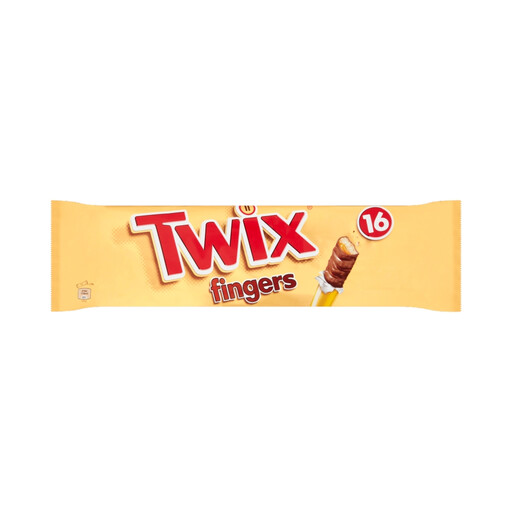 No image available
A biscuit-and-caramel bar format may suit a snack planned around one unit rather than a handful of mini biscuits.
The product name states 16 biscuits of 20g each. Read the current ingredients and allergen statement for the exact pack.
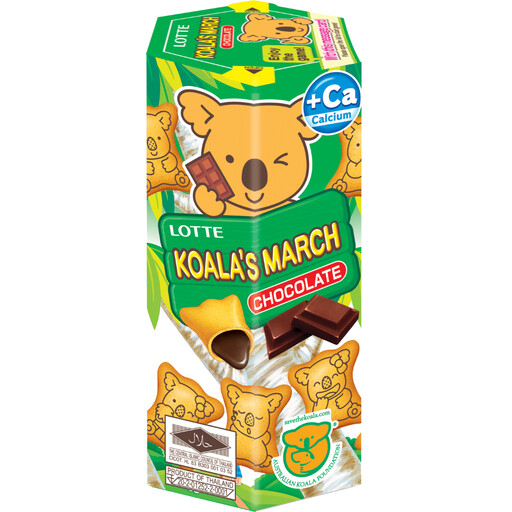 No image available
Consider this smaller pack when chocolate-filled biscuits are closer to the snack you have in mind than a full-sized bar.
The stated pack weight is 37g. Check how the biscuits are packed and read the current allergen label before taking them to school.
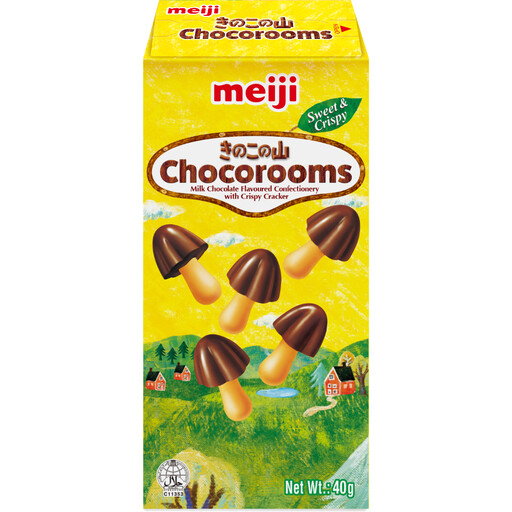 No image available
This 40g pack offers a smaller-format alternative to a biscuit-bar multipack for an after-school snack.
Check the number of biscuits and pack format if portioning matters, along with the current ingredients and allergen statement.
Check the particular school’s current packed-lunch and allergen policy before packing them. The Department for Education’s England school-food standards apply to food and drink provided to pupils on school premises; that does not, by itself, tell you what a school permits in food brought from home.
No school-packing decision follows from an assumed high fat, salt or sugar (HFSS) classification. Department of Health and Social Care guidance addresses certain retail promotions and placements; check the school’s own rules for packed food, and do not assume that every chocolate biscuit has the same HFSS classification.
Read the exact pack’s ingredients, highlighted allergens and precautionary statements each time. The Food Standards Agency lists wheat, rye, barley and oats among cereals containing gluten; gluten-free wording does not rule out other allergens. Joybuy’s Nairn’s Gluten Free Chocolate Chip Biscuit Breaks listing, for example, states that it contains soya and may contain milk traces.
Pack size alone cannot answer that question. Compare the ingredients and nutrition panels for the two exact products on a common basis, such as per 100g, and check the stated serving size if you want to compare what each pack contains.
Check the net weight, number of separately packed portions and serving information on each pack. A snack bag gives you a ready-to-take unit; with a larger bag, you can decide how much to portion into a container at home.