Teams offering a mixed selection
An assortment gives guests a choice of centres. Before putting out a tub, check the current information for the entire assortment and how guests will identify individual pieces.


For a self-service hotel breakfast buffet, choose a small chocolate format only after checking whether guests will take individually packaged pieces or select from a loose display. A mixed assortment offers several centres but calls for a review of the full ingredient and allergen information; a single-style multipack offers a more consistent selection, while loose bites need an allergen-information process suited to their presentation.
The serving format matters as much as the size of each chocolate: it determines what guests can inspect and what information the hotel needs at the display.
An assortment gives guests a choice of centres. Before putting out a tub, check the current information for the entire assortment and how guests will identify individual pieces.
A single-style mini-chocolate multipack keeps the selection uniform. Confirm the portion size and whether each piece has its own packaging if guests need to take one without staff portioning it.
Both packaged and loose displays need accurate allergen information. The hotel should keep current product details accessible and choose an information method that fits how guests select the chocolate.
Decide how guests will take the chocolate, then check the exact pack and its allergen information before choosing between a uniform multipack, an assortment and loose pieces.
Consider it when: Guests should be able to choose among different centres; Celebrations lists eight.
Trade-off: The assortment has a wider ingredient and allergen profile, and individual packaging should be checked on the pack.
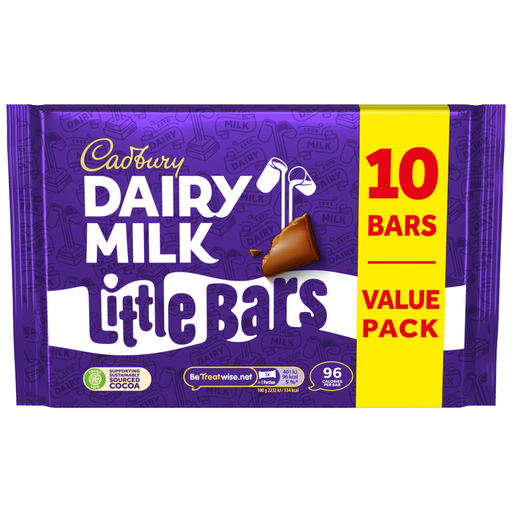
Consider it when: A consistent small chocolate is more useful than a choice of centres; Cadbury specifies 18 g Dairy Milk Little Bars.
Trade-off: Guests have less variety, and the current label still needs checking for allergens and packaging details.
Consider it when: The hotel deliberately wants a bowl or portioned display and can provide accurate information before selection.
Trade-off: Guests cannot inspect an individual product wrapper at the display.
| Priority | What to check | Your needs |
|---|---|---|
| Allergen information | Read the current pack information for every product in the display. Check how guests will receive allergen information before choosing, particularly if chocolates are removed from their packaging. | I need guests to be able to find accurate allergen information before they take a chocolate, whether the display contains packaged items or loose pieces. |
| Variety | Compare the named centres and the assortment’s full ingredient information. Celebrations lists eight centres; its ingredient information includes milk, peanuts, wheat, soya and egg, with possible almonds, hazelnuts and oats. | A choice of centres matters at this buffet, but I also need a way to communicate the assortment’s allergen information clearly. |
| Portion and packaging | Check the size and count on the exact pack, then confirm whether pieces are individually packaged. Cadbury describes Dairy Milk Little Bars as 18 g mini bars in a 10-pack. | I want guests to take one small piece at a time; whether it has its own wrapper will affect how we set out the buffet. |
| Loose display | Identify whether a sharing pouch will be served loose or portioned by staff. Keep its current product information available for the chosen display method. | If we put bite-size pieces in a bowl, guests will not have an individual label to inspect, so the buffet needs another clear information route. |
Celebrations lists several allergens across its assortment, including peanuts, wheat, milk, soya and egg, and states that almonds, hazelnuts and oats may be present.
Review the current tub label before service and decide how guests will get information about the chocolates on display.
Once bite-size chocolates are presented loose, guests cannot rely on an individual wrapper for product details. Food Standards Agency guidance for England, Northern Ireland and Wales and Food Standards Scotland guidance address allergen information for non-prepacked food.
Keep accurate information for the displayed product available before guests select it, and make sure serving staff know where to find it.
A mini-bar multipack, mixed tub and sharing pouch can contain similarly small chocolates but need not be packaged in the same way.
Confirm whether each piece has its own packaging before ordering for a self-service display.
Tesco warns that food ingredients and allergens can change as products are reformulated.
Use the current supplied pack or current supplier specification for the buffet’s allergen information, and recheck it when the product or packaging changes.
These brand examples show different product formats, not which products are stocked for a particular hotel or available in the Joybuy selection below.
Cadbury describes Dairy Milk Little Bars as 18 g mini bars and Heroes as assorted milk-chocolate treats.
Celebrations lists eight chocolate centres in its mixed tub.
Galaxy describes Minstrels as mini chocolate-button pieces in a treat bag.
Snickers is one of the named centres in Celebrations assortments.
Twix appears in Celebrations assortments and is also sold in small-bar multipacks.
KitKat appears in wafer-based bar formats and bite-size sharing bags.
These Joybuy options cover single-style small-chocolate multipacks and bite-size sharing bags for a breakfast buffet. Check the supplied pack before deciding how to present any item or communicate its allergens.
 No image available
A single-style small-bar multipack for a uniform buffet selection. Cadbury specifies 18 g per Little Bar; check the supplied pack for individual packaging and current allergen information.
 No image available
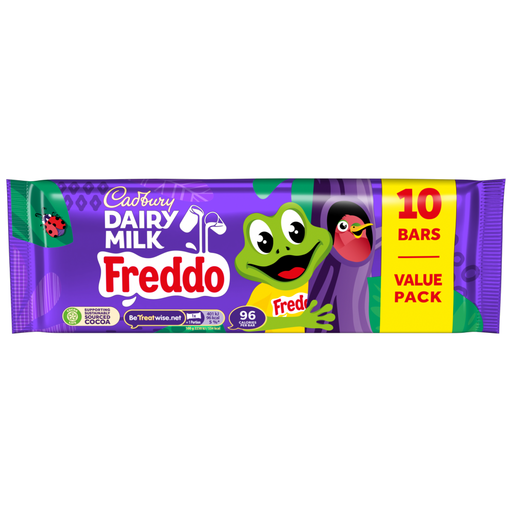
A ten-piece, single-style chocolate option rather than a mixed-centre assortment. Freddo is a shaped chocolate, not a conventional mini bar; check the supplied pack for packaging and allergen details.
 No image available
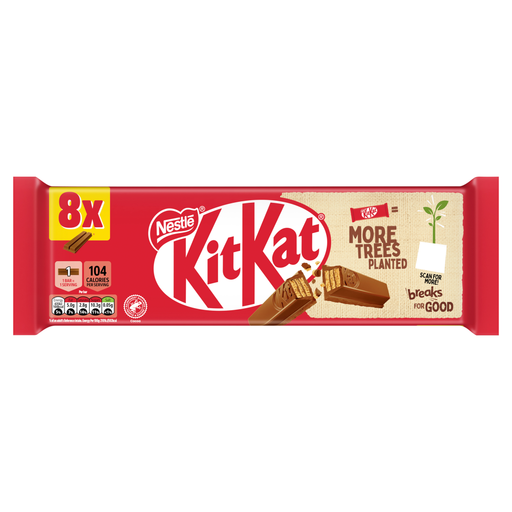
An eight-bar multipack with a stated 20.7 g portion size. Confirm whether the bars are individually packaged and check the current pack information before offering them at the buffet.
 No image available
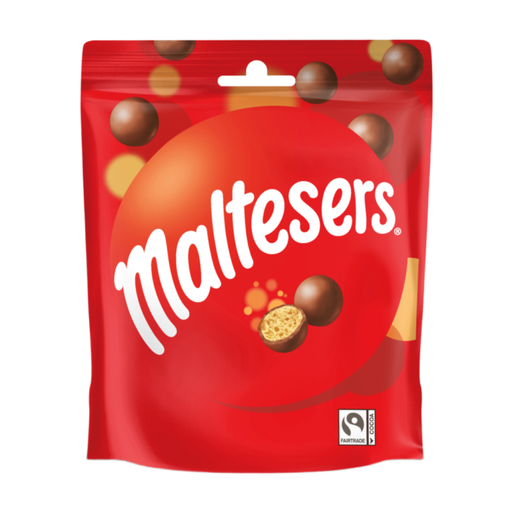
A bite-size sharing-bag option rather than a mini-bar multipack. If the chocolates are served loose, make current allergen information available in a way that fits the display.
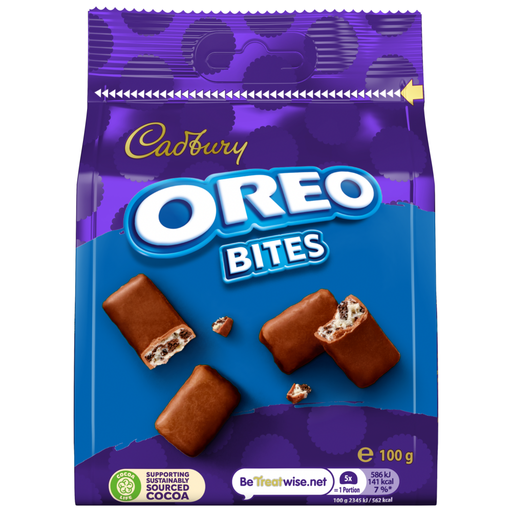 No image available
A bite-size chocolate option for a planned sharing display, not an individually packaged mini-bar selection. Check the current pack information and provide allergen details appropriate to how the pieces are served.
Yes. Food Standards Agency guidance for England, Northern Ireland and Wales says food businesses must provide allergen information for prepacked and non-prepacked food and drink; Food Standards Scotland also requires information on the presence of the 14 regulated allergens to be available to potential consumers before purchase. Use current product information and a method appropriate to the buffet display.
Yes, if the hotel can provide the required allergen information for the loose display before guests select the food. Food Standards Scotland says information for non-prepacked food may be provided on a menu, chalkboard or shelf label, or verbally by staff; check the applicable guidance for the hotel’s location and presentation method.
Do not treat a mixed tub as suitable without checking the exact product. Celebrations ingredient information lists peanuts and wheat, as well as barley malt extract, and states that almonds, hazelnuts and oats may be present. Use the current tub label when communicating its allergens.
Do not assume they are. KitKat’s UK FAQ says KitKat products are not generally gluten-free, and the retailer information for KitKat Bites identifies wheat and barley. Check the label of the specific product supplied to the hotel.
No. Tesco warns that ingredients and allergens can change when food products are reformulated. Check the current physical pack or current supplier specification, and update the buffet information when the supplied product changes.