Texture-conscious cooks
If you want distinct pieces for a salad, garnish or side dish, you need to see the chop develop and stop before soft beetroot becomes too fine.


For soft cooked beetroot, choose a chopper that lets you stop and inspect the pieces frequently, rather than choosing by wattage alone. A manual pull model offers direct control over chopping progress; an electric model with adjustable controls is another option if you prefer not to pull repeatedly. Check usable capacity against your recipe, because a compact bowl may mean preparing the beetroot in batches.
If you want distinct pieces for a salad, garnish or side dish, you need to see the chop develop and stop before soft beetroot becomes too fine.
If you are preparing several portions but want a compact appliance, compare the amount your recipe calls for with the chopper’s usable capacity and the time you have for repeat batches.
If the beetroot will be served without further cooking or prepared ahead, removable parts, clean equipment and chilled storage matter alongside chopping control.
Decide how finely you want the beetroot chopped, then compare usable capacity with your recipe; cleaning and access to a socket may settle the choice between otherwise suitable models.
| Concern | What to check | Who this matters to |
|---|---|---|
| Keeping distinct pieces | Look for a bowl you can see through and a manual pull, pulse or adjustable control that lets you stop and inspect the chop. | When cooked beetroot is going into a salad, I want pieces rather than a paste; around 36% of consumers put texture control first. |
| Preparing enough for guests | Compare stated working capacity with your recipe quantity, not just the bowl’s total volume. | If I have several portions to prepare, I need to know whether repeat batches fit my preparation time. Batch practicality comes first for around 29% of consumers. |
| Cleaning and serving safely | Check which parts are removable and dishwasher-safe; use clean equipment for ready-to-eat beetroot and chill it if preparing ahead. | For beetroot served without further cooking, I want clean equipment and a manageable clear-up; around 21% of consumers prioritise cleaning and safe serving. |
| Working without a socket | For a manual model, check the lid and base and consider how much repeated pulling your recipe will require. | If a socket is inconvenient, I would rather chop by hand and watch the pieces develop; roughly 14% of consumers put manual operation first. |
Motor wattage does not tell you what texture soft cooked beetroot will have. Tefal describes finer chopping with more pulls on its manual model, while Kenwood describes pressure-sensitive control on its Easy Chop; neither establishes the result for your recipe.
Try a small amount first, stop frequently and inspect the pieces before processing the rest.
The Russell Hobbs Desire 27131 has a stated 1 L glass bowl but a 500 ml working capacity. Using the larger figure to plan a batch could leave you with more chopping rounds than expected.
Use the working-capacity figure where one is stated and compare it with the amount of beetroot you plan to serve.
Cooked beetroot served without further cooking is ready to eat. Food Standards Agency guidance calls for raw and ready-to-eat foods to be kept separate.
Use clean chopper components, and clean and disinfect shared equipment between raw-food and ready-to-eat tasks.
A lid may make a bowl convenient to store, but it does not replace appropriate handling of prepared food. GOV.UK advises eating leftovers within 48 hours or freezing them if that will not be possible.
Chill prepared beetroot appropriately rather than leaving it out until it is served.
Kenwood lists the CH180 for small quantities and the Easy Chop CHP61.100WH with a stated 500 ml capacity, two speeds and pressure-sensitive control.
Its compact models include the Food Collection 22220 and Desire Matte Charcoal 27131. Russell Hobbs states a 500 ml working capacity for the Desire’s 1 L glass bowl.
Tefal lists a 500 ml manual 5 Second Chopper and the electric Minipro MQ714140, which has a stated 500 ml bowl and two speeds.
These electric choppers offer different stated controls and bowl configurations for preparing cooked beetroot. Compare the amount in your recipe with usable capacity where it is stated, and stop to inspect the texture during chopping.
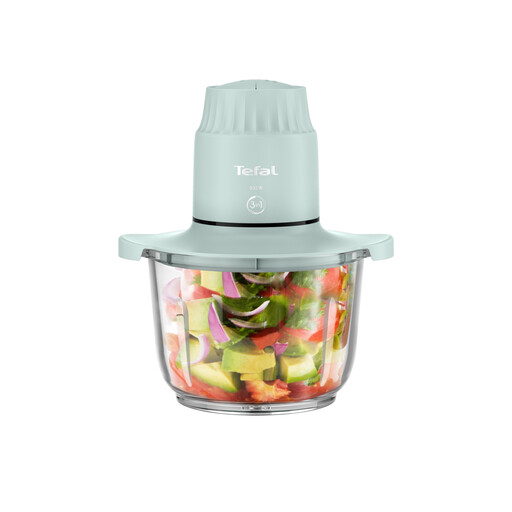 No image available
Consider this glass-bowl model if a stated 1 L capacity suits the amount you want to prepare. Its title specifies borosilicate glass; check the usable chopping amount for your recipe, and inspect soft beetroot frequently as you process it.
 No image available
Consider the two-bowl configuration if you expect to prepare more than one ingredient. The stated bowl volumes are 0.6 L and 2 L; confirm their usable chopping capacities before planning beetroot batch sizes.
 No image available
Consider this compact model if preparing the beetroot in small batches fits your plans. Its title specifies 300 W, two speeds and a dishwasher-safe 350 ml bowl; check how many batches your recipe would require.
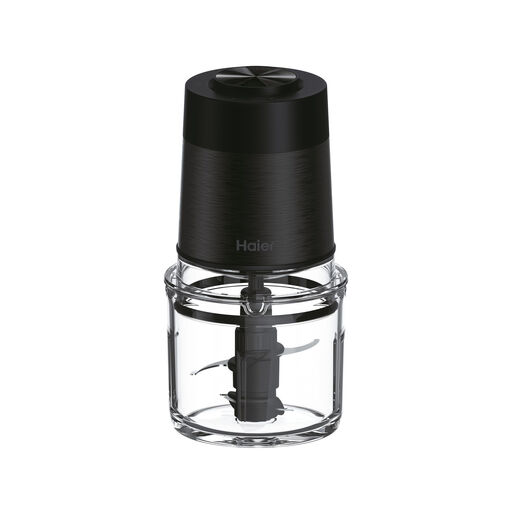 No image available
Consider this model if two speed settings and a dishwasher-safe bowl are priorities. Its title also specifies double-stacked blades and 550 W; confirm the usable bowl capacity before deciding how many beetroot batches to allow for.
It can produce chopped pieces, but stop and inspect often because cooked beetroot is soft. Tefal says more pulls make its manual chopper’s result finer, while Kenwood says the Easy Chop’s pressure-sensitive control is intended to help avoid overprocessing; neither statement establishes a particular result for cooked beetroot.
A 500 ml working capacity can suit small batches, but whether it covers your dinner-party recipe in one go depends on the amount you are making. Compare working rather than total bowl capacity, and allow time for repeat batches if needed.
Use clean equipment for cooked beetroot that will be served without further cooking. Food Standards Agency guidance calls for separating raw and ready-to-eat foods; clean and disinfect shared chopper parts between those tasks, even if the parts are described as dishwasher-safe.
Yes, if you handle it hygienically and chill it appropriately after preparation. GOV.UK advises eating leftovers within 48 hours or freezing them if that will not be possible; a chopper’s storage lid does not replace refrigeration.