Small-batch home bakers
If you need chopped apricots for a traybake, fruit loaf or flapjacks, a compact bowl may suit the amount you prepare. Check how easily its removable parts can be cleaned after handling sticky fruit.


For dried apricots, favour a mini chopper with documented pulse or short-burst control if you want recognisable pieces rather than a paste. Work in small, de-pitted batches and stop to inspect the cut; a larger bowl may mean fewer reloads for frequent baking, but its stated capacity is not a tested dried-fruit load. Check the exact model’s instructions before use.
If you need chopped apricots for a traybake, fruit loaf or flapjacks, a compact bowl may suit the amount you prepare. Check how easily its removable parts can be cleaned after handling sticky fruit.
If visible apricot pieces matter more than a smooth mixture, look for a control that lets you stop and inspect the fruit between short bursts. Motor wattage alone cannot tell you what texture you will get.
If you chop fruit for several recipes at a time, compare usable capacity and the space the appliance takes up. A larger bowl may reduce reloads, although you should still check the instructions before deciding how much sticky fruit to process at once.
Decide whether piece size, compact storage or fewer reloads matters most for your usual recipes. Then compare the controls and bowl dimensions of the exact models you are considering.
| Concern | What to check | Who this matters to |
|---|---|---|
| Keeping distinct pieces | Look for documented pulse or short-burst control and a lid you can remove to inspect the fruit safely. | If I need visible apricot pieces in a bake, I want to stop before the fruit turns into a paste. Around 40% of consumers would put texture control first. |
| Occasional small batches | Compare stated bowl capacity, storage dimensions and which removable parts can go in the dishwasher. | For one recipe at a time, I want an appliance that fits my cupboard and is straightforward to clean afterwards; roughly 40% of consumers would prioritise compact small-batch use. |
| Fewer reloads | Distinguish usable ingredient capacity from total bowl volume, and check the space needed to store the chopper. | When I prepare fruit for several bakes, repeatedly emptying a small bowl slows me down. About 20% of consumers would make larger-batch preparation their main concern. |
A motor rating describes the appliance, not the cut it will produce with sticky fruit. Running even a powerful model continuously may work against your aim of keeping distinct pieces.
Check the exact model’s instructions, choose a controllable setting and start with a small, de-pitted batch. Recipes.net advises short pulses and checking sticky dried fruit as you go.
A stated bowl volume is not a tested maximum load for dried apricots. Packing in too much sticky fruit can make an even chop harder to achieve.
Use the capacity to compare bowl sizes, not as a dried-fruit fill line. Process a smaller amount and inspect it between bursts.
One-touch operation describes how a chopper starts; it does not necessarily tell you whether it has a dedicated pulse setting or more than one speed.
Compare the documented controls of the exact model and try a small first batch before preparing fruit for a full recipe.
Cleaning sticky residue means removing parts around a sharp blade. Magimix’s Le Micro safety instructions say to unplug the appliance before removing accessories or cleaning it and to hold its blade by the central shaft.
Read the instructions for your own model, including its cleaning directions, and confirm the seller’s warranty terms for the listing you intend to buy.
Kenwood’s CH180B is a compact 300W, two-speed option, while its Easy Chop CHP61.100WH lists a 500W motor, a stated 500ml capacity and two pressure-sensitive speeds.
Magimix Le Micro lists a 0.8L total capacity and offers pulse and continuous operation. The Mini Plus is a separate food-processor option for tasks such as slicing, grating or kneading.
Tefal describes the Choppeo MB603165 as a 500W, two-speed chopper with a 2L bowl and capacity for up to 1L of ingredients.
The Russell Hobbs Desire Matte Charcoal Mini Chopper 27131 lists a 500ml working capacity and one-touch operation.
These choppers cover compact preparation and larger-bowl options for people considering dried apricots as part of their cooking. Compare their controls and stated capacities, then check the exact instructions before processing sticky fruit.
 Image unavailable
Consider this compact model for an occasional small baking batch if you want to stop and inspect the cut.
The Joybuy listing specifies a 300W motor, 350ml bowl, two speeds and a pulse function; it describes the bowl and blade as dishwasher safe.
Check the CH180B instructions before chopping dried apricots, and begin with a small batch rather than treating the bowl volume as a fruit-load limit.
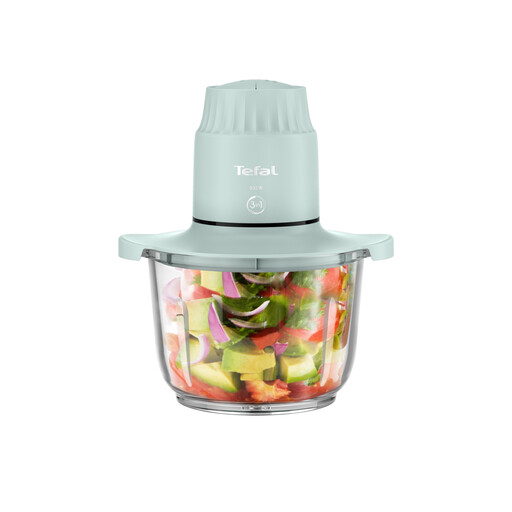 Image unavailable
Consider its larger bowl if preparing fruit for several recipes makes repeated loading inconvenient.
Tefal states a 500W motor, two speeds, a 2L bowl and capacity for up to 1L of ingredients.
The ingredient capacity is not a tested dried-apricot load. Check the model’s instructions and inspect smaller batches between short bursts.
 Image unavailable
The two supplied bowl sizes give you a smaller vessel for modest amounts and a larger one for other preparation.
The product title specifies a 300 W motor and 2 L/8 Cup and 0.6 L/2.5 Cup glass bowls.
If distinct apricot pieces are essential, check the QSJ-D03Q1 operating instructions for short-burst control before buying. Start with a small batch.
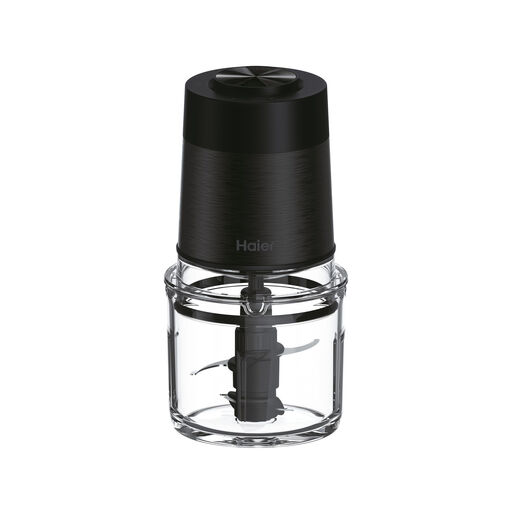 Image unavailable
Consider this model if two stated speeds and a glass bowl fit your preparation and cleaning preferences.
Its product title specifies a 550W motor, double-stacked blades, two-speed control and a dishwasher-safe bowl.
Check the bowl capacity against your usual batch size and read the HCH5B1 instructions for control and ingredient guidance before chopping dried apricots.
Remove any pits, work with a small amount and stop between short pulses to check the pieces. Recipes.net recommends short bursts and avoiding an overloaded processor when chopping sticky dried fruit; also follow the instructions for your particular chopper.
No wattage figure alone establishes how a chopper will handle dried apricots. Compare the exact model’s controls and instructions alongside its motor rating, especially if you need to stop before the fruit becomes too finely chopped.
Unplug the appliance before removing parts, and check the exact model’s instructions for safe blade handling and dishwasher suitability. Magimix’s Le Micro instructions, for example, say to hold its blade by the central shaft rather than the sharp edges.
Confirm the exact model number, seller, warranty terms and access to its manual before ordering. If ongoing parts support matters to you, check the manufacturer’s terms for that model rather than assuming a brand-wide commitment applies to every chopper.