Small-batch dip maker
You usually make one or two portions and want pulse control, a convenient way to add oil and few parts to wash. A mini chopper is worth considering if you do not also need slicing or grating tools.


For one or two portions of white bean dip, start with a mini chopper if compact storage and limited washing-up matter most. Choose a compact or larger food processor if you will regularly prepare bigger batches or use slicing and grating tools for other meals; check the space and cleaning responsibilities that come with those extra parts. Where a housemate has a food allergy, dishwasher-safe parts alone are not a substitute for an agreed cleaning or separation routine.
You usually make one or two portions and want pulse control, a convenient way to add oil and few parts to wash. A mini chopper is worth considering if you do not also need slicing or grating tools.
You need to put the appliance and its accessories away promptly, but want it to handle more than dip. Compact processors with drawer-friendly or in-bowl storage are relevant to this need.
You make dip for several people or also prepare vegetables and other ingredients. A larger processor offers more bowl and accessory options if your household can accommodate the machine and clean its parts after use.
For white bean dip in a shared kitchen, decide whether small-portion control, cleaning and storage, or wider meal preparation will govern the purchase. The format follows from that choice.
Choose it when: You make small dip batches frequently and want fewer parts to store and wash.
Trade-off: A small bowl limits batch size, and chopping-focused tools may not cover slicing or grating for other meals.
Choose it when: Dip is one of several preparation tasks and the appliance still needs a practical storage place.
Trade-off: Extra tools give the household more parts to identify, clean and keep together.
Choose it when: Several people will regularly use the capacity and tools for meals beyond dip.
Trade-off: Check its weight and storage footprint before committing shared cupboard or counter space.
| Concern | What to check | Who this matters to |
|---|---|---|
| Small-batch texture | Match bowl capacity to your usual portion; check for pulse control and a suitable way to add liquid. | If I make a little dip at a time, I want control over its texture without using a bowl much larger than the portion. Around 40% of consumers would put small-batch control first. |
| Cleaning and storage | Check which food-contact parts are removable and dishwasher-safe, and where the machine and accessories will go. Agree a separate cleaning routine if allergies are a concern. | When the kitchen is shared, I need to put the processor away cleanly and avoid leaving food residue for the next person. Cleaning and storage would come first for around 30% of consumers. |
| Capacity and other tasks | Compare usable or working capacity with the intended batch, then check the included chopping, slicing and grating tools. | If I prepare dip for several people and use the machine for other meals, I need room and tools for those jobs. For around 30% of consumers, wider meal preparation would be the primary need. |
Wattage does not tell you whether the bowl fits your portion or how convenient the processor is to use and clean. Which? assesses food processors across preparation tasks as well as ease of use and cleaning.
Choose the format and bowl size first, then check pulse control, removable parts, storage and the tools you will use.
A dishwasher-safe specification does not establish that allergen residue has been controlled in a shared household. Food Standards Agency-supported research identifies cleaning equipment and surfaces as one way to help prevent allergen contamination.
If a housemate has an allergy, agree how food-contact parts and surfaces will be cleaned and whether dedicated equipment is needed. Follow the appliance instructions and seek allergy-specific advice where appropriate.
A larger bowl may help with shared batches, but a larger appliance also needs somewhere to live. Magimix lists its 5200XL at 11 kg, a practical consideration if housemates must move it after use.
Size the machine to your usual dip batch, and choose additional capacity when the household will regularly use it for other food preparation.
Cuisinart’s Mini Prep Pro ECH4U is a small-portion chopper to consider when dip and similar preparation are the main tasks.
Kenwood’s MultiPro line includes compact processors with different capacities and ways to store their parts.
Bosch’s MultiTalent 3 MCM3100WGB is a mid-capacity option for households that will use tools beyond dip preparation.
Magimix’s 3160 and 5200XL are larger multi-bowl options for households that expect to use their capacity and tools regularly.
These choppers offer two bowl sizes to consider for white bean dip. Check your normal portion and cleaning routine before deciding between them; neither product card represents the compact or larger multi-function processor route.
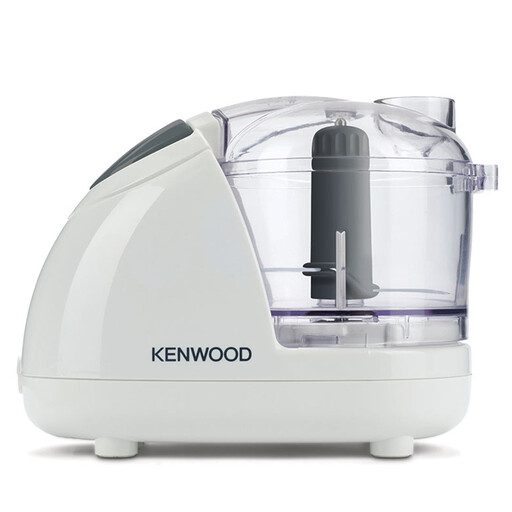 No image available
Consider this small bowl if you normally make a modest portion of dip and have limited storage space.
The product name specifies 300 W, two speeds and a dishwasher-safe bowl. Check how liquid can be added for your recipe and whether your usual portion fits; the listed continuous-operation limit is 30 seconds.
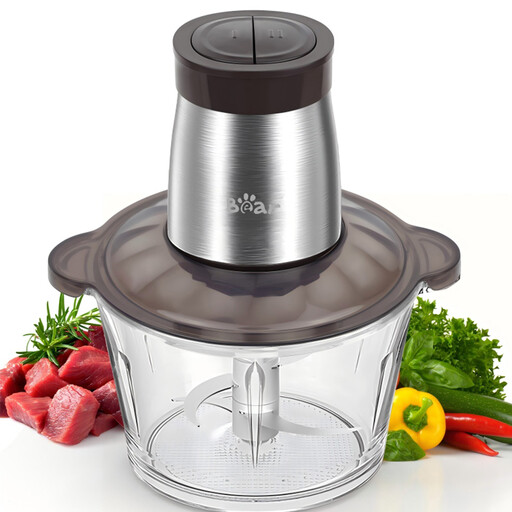 No image available
Consider the larger bowl if you prepare more dip at once and have space to store the chopper.
The product name specifies 300 W, two speeds and 304 stainless steel blades. Check the instructions for cleaning its food-contact parts and adding liquid. The listing limits continuous operation to 40 seconds, followed by at least two minutes’ rest; after three consecutive cycles, it calls for 15 minutes’ cooling.
A mini chopper can suit a small batch if you do not need slicing or grating tools for other meals. Cuisinart UK lists a 900 ml bowl, pulse control and drizzle holes for its Mini Prep Pro ECH4U, but those features do not guarantee the texture of every recipe. Check that your portion fits without overfilling.
Clean the bowl, lid, blade and any other used food-contact accessories according to the appliance instructions, and clean affected surfaces too. Food Standards Agency-supported research identifies equipment and surface cleaning as a way to help prevent allergen contamination; if a housemate has an allergy, agree an appropriate cleaning or separation routine rather than relying on a dishwasher-safe claim alone.
Measure the space for the whole appliance and its accessories, not just the bowl. Kenwood GB says the 1.3 L MultiPro Go FDP23.140GR fits in a kitchen drawer, while Magimix UK lists the 3160 at 6.7 kg and the 5200XL at 11 kg; check whether housemates can conveniently put your chosen machine away.
The Food Standards Agency’s registration guidance applies when starting or taking over a food business, not simply because a kitchen is shared. If you plan to supply dip as a business, check the applicable local-authority requirements before starting; the agency says a food business should register at least 28 days before trading or food operations begin.