Small-batch pesto makers with little storage space
If you make pesto for one or two meals, a 350–500ml bowl may suit the batch while leaving less to put away after using the shared worktop. Check that the removable parts meet your cleaning needs.


For small batches of pesto and limited shared storage, choose a compact mini chopper with pulse control and removable parts that are straightforward to clean. If you regularly make larger batches or want to add oil while processing, consider a 0.8–0.9L model with a suitable lid opening; allow more cupboard space for the larger appliance.
If you make pesto for one or two meals, a 350–500ml bowl may suit the batch while leaving less to put away after using the shared worktop. Check that the removable parts meet your cleaning needs.
If you prepare several portions at a time, compare larger bowl capacities and look for a way to add oil gradually if you want to do so without repeatedly removing the lid.
If other people need the space soon after you cook, check which food-contact parts can be removed and washed promptly, and where the clean appliance can dry and be stored.
Start with the amount of pesto you normally make, then decide how much texture control and clean-up convenience you need in the shared space.
| Concern | What to check | Who this matters to |
|---|---|---|
| Quick clean-up | Check which bowl, blade and lid parts are removable and dishwasher safe; follow separate care instructions for the electrical base. | When others need the kitchen after me, I want to clean the food-contact parts promptly and clear the worktop. Around 42% of consumers put quick clean-up first. |
| Pesto texture and oil addition | Look for pulse control and, if you want to add oil while processing, a lid opening or drizzle feature. | If I prefer a coarser pesto or want to add oil gradually, I need control over how I process the ingredients. Texture and oil addition come first for around 33% of consumers. |
| Batch size and storage | Match the stated bowl capacity to your usual batch, then check the appliance dimensions against its storage spot. | I want enough room for the pesto I make without leaving an appliance on the communal worktop. Around 25% of consumers prioritise that balance between batch size and storage. |
A 350–500ml bowl can suit short preparation runs, but a larger batch may need to be processed in stages.
Think about your usual batch before choosing a capacity; compare 0.8–0.9L models if you regularly make more at once.
Dishwasher-safe claims apply to specified parts, not automatically to the lid or electrical base.
Check the care instructions for the exact model and each component before purchase and cleaning.
Preparing pesto for private use and preparing food as a business raise different hygiene and registration questions.
If you plan to supply pesto as part of a food business, check the requirements for your activity with the relevant local authority before relying on the shared kitchen.
Kenwood’s compact choppers include the 350ml CH180B and the 500ml Easy Chop CHP61.100WH, both relevant to smaller pesto batches.
Magimix specifies its 0.8L Le Micro for tasks including pesto, with lid openings for adding ingredients.
Cuisinart specifies a 900ml bowl, pulse buttons and drizzle holes for its ECH4U Mini Prep Pro.
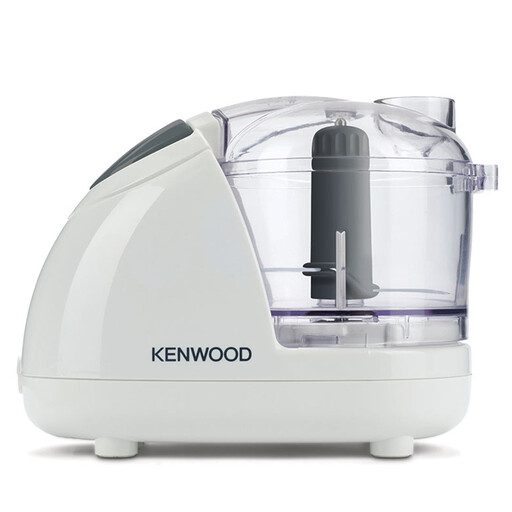
This compact Kenwood model is suited to considering when you make small batches and need to put the chopper away after using a shared worktop. Check its bowl size and care instructions against your routine.
 No image available
The 350ml bowl makes this a compact option to consider for small pesto batches; a larger shared meal may require more than one run.
The listing specifies two speeds and a dishwasher-safe bowl. Check the model’s care instructions for other parts, and confirm whether its lid allows oil to be added while processing if that matters to you.
A 350–500ml bowl is worth considering for small batches when storage is tight; consider 0.8–0.9L if you regularly prepare more pesto at once. Bowl capacity alone does not tell you how much control you will have over texture, so check for pulse operation too.
No; a drizzle opening is useful if you want to add oil gradually while the chopper runs. Without one, plan to stop the appliance to add oil and, when needed, scrape down the bowl.
They can make washing up easier, but check exactly which parts are dishwasher safe and clean the appliance promptly between users. For food-business use, GOV.UK says food areas and equipment must be cleaned and disinfected after contact with raw food.
Check food-business registration and hygiene requirements before using the kitchen for that purpose. GOV.UK says new food businesses must register with their local authority; ask the relevant authority how the requirements apply to your activity and premises.