What matters when choosing?
For biscuit crumbs in a shared kitchen, start with the need that matters most to you: batch size, cleanup, storage and control, or other small food-preparation uses.
| Concern |
What to check |
Who this matters to |
| Working capacity |
Compare the stated working capacity, not just container volume, with the biscuit quantity in your usual recipe. |
If I regularly make a dessert base, I want enough usable bowl space to avoid repeated loads. Around 31% of consumers put batch capacity first. |
| Cleanup and blade handling |
Check which parts are removable and dishwasher-safe, alongside the manual’s blade and motor-unit cleaning instructions. |
After baking, I need to clear the shared sink and worktop without leaving a sharp blade where someone else might reach for it. For around 25% of consumers, cleanup is the primary concern. |
| Storage and crumb control |
Check the space available for storage and whether the model offers pulse or more than one speed. |
I have little cupboard room, but still want chances to stop before the biscuits become too fine. Storage and control come first for around 25% of consumers. |
| Other small-prep uses |
Check the model’s stated food uses and included accessories against the tasks you would actually do. |
If the appliance will occupy shared storage, I want to know whether I would use it for other small preparation jobs too. Around 19% of consumers prioritise those additional uses. |
Joybuy options for small batches
This compact mini chopper is suited to shoppers making small quantities of biscuit crumbs where cupboard space and cleanup matter. Check whether its working capacity will cover your usual batch.
 No image available
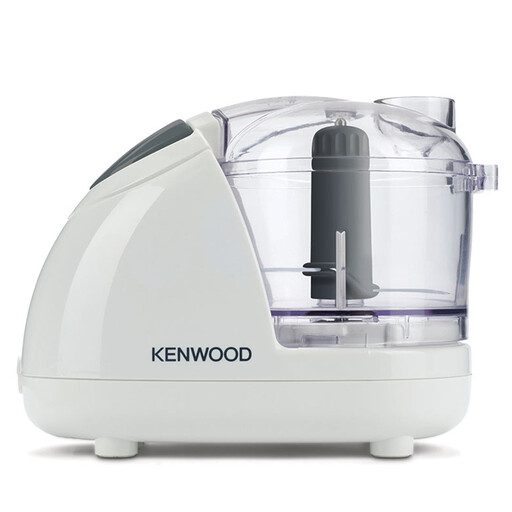
Kenwood CH180B Mini Chopper, 300W, 350ml Bowl
Consider this compact model for small topping or dessert quantities. Its title specifies a 350ml bowl and two speeds; Kenwood GB identifies a 0.15L working capacity for the CH180B, so the usable batch size is smaller than the bowl’s total volume.
The bowl is described as dishwasher-safe. Check the model’s instructions for cleaning the blade and motor unit, and whether the working capacity suits your usual recipe.
Joybuy
Common questions
How can I avoid making biscuit crumbs too fine?
Use a model whose controls let you stop and inspect the crumbs regularly. Kenwood GB describes two-speed or pulse controls on the CH180 route, EasyChop CHP61.100WH and KitchenAid 5KFC3516BCU, but those controls do not guarantee a particular crumb size.
Are dishwasher-safe parts enough for easy shared-kitchen cleanup?
They can reduce washing-up, but you still need to check which parts the claim covers. Follow the exact model’s instructions for the motor unit and blade, and clear sharp removable parts from the shared sink after use.
What should I do with the blade before cleaning?
Disconnect the mini chopper before dismantling or cleaning it, and handle the blade carefully. A Russell Hobbs chopper manual gives both precautions; use the instructions supplied with your chosen model for its specific removal and cleaning steps.
Can I keep a mini chopper running until every biscuit is crushed?
Do not assume the motor is intended for unrestricted continuous running. The Cookworks CH1117BN manual lists a 30-second maximum work time; check your chosen model’s own running-time and cooling instructions instead of applying another model’s limit.
How should I dispose of a broken mini chopper in the UK?
Check an applicable electrical-equipment collection or retailer take-back option, or ask your local council about recycling the appliance. GOV.UK identifies the Waste Electrical and Electronic Equipment Regulations 2013, as amended, as underpinning UK arrangements for recovery, reuse and recycling of electrical equipment.


