Football-night sharers
Buttons can go in a communal bowl for people to take during the match. Mini bars offer separate pieces if passing around an open pack is less convenient.


For an informal football-night sharing bowl, dark-chocolate buttons are a practical choice; choose separate mini bars instead when each viewer needs a defined portion. Check pack quantity before buying for a small group, and read the current ingredients and allergen information before serving any selection.
The useful distinction for a match-night snack is whether everyone will take pieces from one pack or receive a separate portion.
Buttons can go in a communal bowl for people to take during the match. Mini bars offer separate pieces if passing around an open pack is less convenient.
Divine Chocolate lists 70% dark miniature bars weighing 4.2g each in a 100-pack. That gives you a defined piece per person, but the pack quantity is worth weighing against the size of your group.
Read the exact pack’s ingredients and precautionary allergen statements before sharing. A dark-chocolate name or a vegan claim does not answer every allergen question, and an assorted box needs checking chocolate by chocolate.
Decide how the chocolate will be served, then compare pack size, cocoa percentage and the label for the exact product you plan to offer.
| Priority | What to check | Your needs |
|---|---|---|
| Serving format | Compare loose buttons with separate mini bars. Check whether a boxed assortment has a stated piece count or piece size if defined portions matter. | I want people to take a few pieces during the match, or I need one distinct piece for each viewer. |
| Pack quantity | Match the quantity to the group and the number of match nights. Divine Chocolate lists 100 miniature 4.2g bars in one 70% dark pack; Montezuma’s lists 120g packs of its 60% and 74% dark buttons. | For one small gathering, I would rather check the quantity than assume a large multipack will be used. |
| Cocoa preference | Read the stated cocoa percentage for the exact product. The cited options include Montezuma’s 60% and 74% buttons, Divine 70% mini bars, and Hotel Chocolat 70% and 85% batons. | Our group has its own preferences; a higher percentage is not, by itself, a reason to choose a product for everyone. |
| Ingredients and allergens | Check both the ingredient list and any may-contain statement on the current pack. The Food Standards Agency explains that precautionary allergen labelling signals possible unintended allergen presence. | Someone sharing the chocolate needs me to check declared ingredients and cross-contact warnings, not just the product name. |
| Box contents | Check whether an assortment is entirely dark chocolate and read the details for individual fillings, including any alcohol declaration. Lindt describes its MINI PRALINES box as assorted, with a dark chocolate caramel-and-almond variety among the pieces. | If I am serving a mixed box, I need to know what each person might pick up rather than assuming every piece is the same. |
A dark-chocolate description does not replace the ingredient list or a may-contain statement. The Food Standards Agency says precautionary allergen labels communicate the possibility of unintended allergen presence.
Check the current pack before offering chocolate to anyone who needs to avoid a particular ingredient or cross-contact risk.
A box containing a dark-chocolate variety can still contain other kinds of chocolate and different fillings. Lindt’s MINI PRALINES, for example, are an assorted selection rather than a dark-only pack.
Choose a product explicitly described as dark throughout if that is what the group expects; otherwise, check the contents of the assortment.
Divine Chocolate’s 70% dark mini-bar pack contains 100 bars of 4.2g each, so its quantity may be more than a small viewing group intends to serve at one match.
Count the viewers and decide whether the remaining bars have a place at later gatherings before choosing the multipack.
The cited products state different cocoa percentages, but that number alone does not establish which chocolate a particular group will prefer.
Use the percentage to narrow options around flavours the viewers already enjoy, then check the serving format and ingredients as well.
These brand examples illustrate different ways to serve dark chocolate; check the individual product rather than treating a whole range as interchangeable.
Divine Chocolate lists 70% dark miniature bars in a 100-pack of 4.2g pieces and a separate 160-pack of 12.5g bars.
Montezuma’s lists 120g dark-chocolate button packs at 60% and 74% cocoa, offering a loose-piece format for a sharing bowl.
Hotel Chocolat lists 70% and 85% dark-chocolate batons in its dark-chocolate range.
Lindt describes its MINI PRALINES box as a 36-piece assortment that includes a dark chocolate caramel-and-almond variety.
M&S lists chocolate buttons, sharing bags and dark chocolate among its Foodhall categories.
This Joybuy option is a boxed dark-chocolate assortment for sharing while watching the football. Check its piece size if defined mini portions are important to your plans.
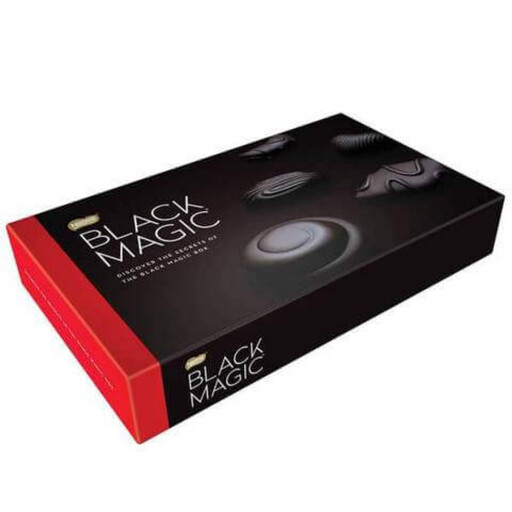 No image available
The boxed assortment offers different chocolates to share during the match; confirm the piece count and size if each viewer needs a defined mini portion.
The listing describes a 348g box with nine named centre types and states that the dark chocolate contains at least 40% cocoa solids.
The listing declares almonds, hazelnuts, eggs and milk, and says the chocolates may contain peanuts, soya and other tree nuts. Check the current pack against guests’ needs. It also warns that the chocolates are unsuitable for children under 4 because of a choking risk.
Choose buttons for a communal bowl, or separate mini bars when you want a defined piece for each person. Compare the pack quantity with your group size, particularly if the mini bars come in a large multipack.
No. Read the exact product’s ingredients and may-contain statement before serving it to someone who needs to avoid milk; a dietary description and a precautionary allergen warning answer different questions.
According to the Food Standards Agency, precautionary allergen labelling signals that a regulated UK allergen could be unintentionally present. Read it separately from the list of ingredients deliberately used in the product.
Check the physical pack before serving. M&S advises that product information can change as foods are redeveloped, so an online listing should not replace the label on the chocolate you have bought.