A mini digestive pouch can be a convenient biscuit snack when there is time before training, but a small format does not make a chocolate-coated biscuit a low-fat exercise snack. The British Dietetic Association advises a low-fat, high-carbohydrate snack or light meal two to three hours before exercise; compare the portion and nutrition label, and consider a lower-fat carbohydrate option when eating closer to a session.
Who might consider a mini pouch?
People planning a small snack before training
A portable biscuit portion may appeal when a meal has been missed. The time until exercise still matters: the British Dietetic Association advises a low-fat, high-carbohydrate snack or light meal two to three hours beforehand, which is not the same as choosing a chocolate-coated biscuit.
Shoppers who want a visible portion
A labelled serving can make it easier to decide how much of a pouch to eat. Compare the serving with the per-100 g nutrition panel rather than assuming that smaller biscuits contain less fat or sugar for their weight.
Shoppers checking food allergens
Check the exact pack before buying. The product information in Tesco Groceries lists wheat, milk and soya for McVitie’s Milk Chocolate Minis; the Tesco mini half-coated pouch also carries a may-contain warning for peanuts and nuts.
What should you check before choosing?
Start with the time before exercise, then compare the amount you would eat, its nutrition label and the allergen declaration.
| Priority |
What to check |
Your needs |
| Timing |
The British Dietetic Association advises a low-fat, high-carbohydrate snack or light meal two to three hours before exercise. University College London Hospitals describes snacks 60–90 minutes beforehand as containing carbohydrate with minimal fat. |
I want a small snack before training, but I need to consider how soon the session starts rather than treating every biscuit as exercise fuel. |
| Portion |
Compare pack weight with the labelled serving. Tesco Groceries lists McVitie’s Milk Chocolate Minis in an 80 g pack with a 20 g serving; the Tesco Mini Half Coated Digestive Pouch is a 90 g bite-size format. |
A portion I can identify matters more to me than the word “mini” on its own. |
| Nutrition |
Read both the serving and per-100 g figures on the exact pack. Tesco Groceries lists 99 kcal, 4.7 g fat and 6.0 g sugars for a 20 g serving of McVitie’s Milk Chocolate Minis. |
I want to compare a chocolate biscuit with other snack options on the same per-100 g basis, while checking what my actual portion contains. |
| Allergens |
Read the current ingredient and precautionary allergen statements, including any may-contain wording, on the product you intend to buy. |
Wheat, milk, soya, peanuts or nuts may affect which pack I can choose. |
Common buying mistakes
-
Assuming “mini” means low in fat or sugar
Smaller biscuits change the size of each piece, not necessarily the nutrition per 100 g. Serving sizes can also differ between pouches.
Use the intended serving to understand the amount you would eat, then use the per-100 g panel to compare biscuits on the same basis. The NHS food-label guide uses more than 17.5 g fat, 5 g saturates or 22.5 g sugars per 100 g as its respective high thresholds.
-
Treating a chocolate biscuit as purpose-designed workout fuel
A chocolate-coated mini digestive provides a biscuit snack, while the British Dietetic Association’s pre-exercise guidance describes a low-fat, high-carbohydrate snack or light meal two to three hours before exercise.
Consider the time until your session and compare fat and carbohydrate on the pack with those features of the guidance. A small pouch is not a substitute for checking whether the snack fits the occasion.
-
Skipping the allergen statement
Familiar-looking digestives can have different declarations. The product information in Tesco Groceries lists wheat, milk and soya for both mini products discussed here, and a may-contain peanuts and nuts warning for Tesco’s pouch.
Read the declaration on the current physical pack rather than relying on the biscuit category or a previous purchase.
Relevant brand references
These products help illustrate the difference between a labelled mini serving, a bite-size pouch and a standard digestive; they are not interchangeable formats.
McVitie’s
Tesco Groceries lists McVitie’s Digestives Milk Chocolate Minis as an 80 g pack with a 20 g serving.
- The listed 20 g serving contains 99 kcal, 4.7 g fat and 6.0 g sugars, giving shoppers a defined portion to compare.
- It is a milk-chocolate digestive containing wheat, milk and soya; its mini format does not establish suitability as a low-fat pre-exercise snack.
Tesco
Tesco describes its Mini Half Coated Digestive Pouch as bite-sized; the pouch is labelled 90 g.
- The bite-size format offers another way to choose an amount from a pouch.
- The product information lists wheat, milk and soya and says it may contain peanuts and nuts. Check the current pack and listing before choosing it.
M&S
M&S Milk Chocolate Digestives provide a standard-biscuit comparison, not a mini-pouch alternative.
- Marks & Spencer lists per-100 g nutrition figures that can be compared with another biscuit’s label on the same basis.
- The listing gives 23.1 g fat, 12.0 g saturates and 31.7 g sugars per 100 g; it should not be mistaken for a labelled mini serving.
Joybuy snack option
The Joybuy option below is a portioned mini biscuit snack, not a digestive biscuit. Check the biscuit type if a mini digestive is specifically what you want.
 No image available
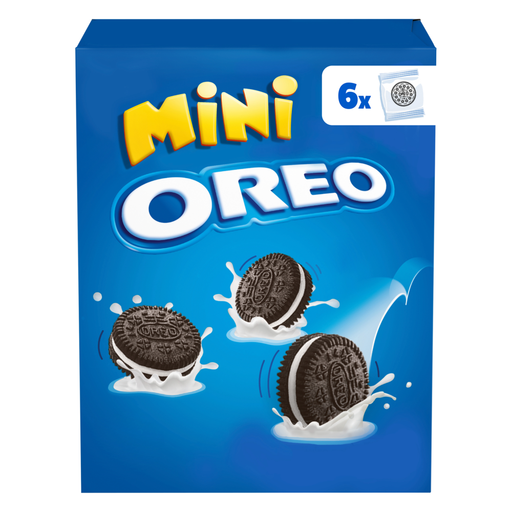
Mini Oreo X6 Bags 114g
The six-bag format offers individual mini biscuit bags for a portable snack, but Oreos are not digestives. Before choosing one for the time before exercise, check the pack’s nutrition panel and its wheat, soya and milk allergen information.
View on Joybuy
Questions about mini digestives before exercise
Are mini chocolate digestives a suitable snack just before a workout?
Their small size alone does not make them a close-to-exercise choice. University College London Hospitals describes snacks 60–90 minutes before exercise as containing carbohydrate with minimal fat, so compare a chocolate digestive’s label and the time available rather than relying on its mini format.
When is a mini digestive pouch a practical option?
It can be a convenient way to carry a small biscuit portion when there is time before training. It remains distinct from the low-fat, high-carbohydrate snack or light meal advised by the British Dietetic Association two to three hours before exercise.
Should I compare the serving or the per-100 g figures?
Use both: the serving figures describe the labelled portion, while per-100 g figures put different biscuits on the same comparison basis. Check how much you intend to eat, since a pouch and its stated serving are not necessarily the same amount.
Do mini digestives contain common allergens?
The product information in Tesco Groceries lists wheat, milk and soya for McVitie’s Milk Chocolate Minis and Tesco Mini Half Coated Digestives; Tesco’s pouch also says it may contain peanuts and nuts. Read the declaration on the current physical pack before buying.


