Taking a snack out
An individual inner pack gives you a defined amount to carry. For example, Tesco lists McVitie's chocolate mini digestives as five separate 19 g packs, with nutrition stated per inner pack.


Choose individually packed mini digestives when you want a ready-to-carry serving, or a pouch of bite-size biscuits when you would rather serve your own amount. Standard-size plain digestives suit an afternoon snack when neither mini pieces nor chocolate coating matters to you. Compare the weight you intend to eat as well as the per-100 g label, and check the pack for allergens.
An individual inner pack gives you a defined amount to carry. For example, Tesco lists McVitie's chocolate mini digestives as five separate 19 g packs, with nutrition stated per inner pack.
A pouch of bite-size biscuits lets you dish out an amount yourself. Check the labelled serving weight and the instructions for storing the pouch after opening.
If chocolate coating and mini pieces are not important, standard-size plain digestives offer a different format. Compare the weight of a biscuit and the label for the particular recipe you choose.
Start with where you will eat the biscuits and whether you want a separate pack, a pouch to serve from or a whole plain biscuit.
| Priority | What to check | Your needs |
|---|---|---|
| Pack format | Check whether the total weight is divided into inner packs or held in one pouch. Tesco lists McVitie's minis as 5 × 19 g packs and its half-coated minis as one 90 g pouch. | I want one pack to take out without serving biscuits from a larger pouch. |
| Portion and coating | Compare per-100 g nutrition and the weight you expect to eat. Tesco states 5.7 g sugars and 2.3 g saturates per 19 g McVitie's inner pack, but 9.2 g sugars and 3.5 g saturates per 30 g serving of its half-coated pouch; those serving weights differ. | Would I prefer chocolate-coated mini pieces or a plain whole biscuit? I will compare the amount I am likely to eat, not just the size of one piece. |
| Allergens | Read the ingredients and allergen statements on the pack. Retailer listings identify wheat, milk and soya for McVitie's chocolate minis and Tesco's half-coated minis; Tesco's pouch also lists a may-contain warning for peanuts and nuts. | If someone eating the biscuits has an allergy, I need to check the particular pack before serving it. |
| After opening | Check the storage instructions for the chosen product. Tesco says to keep its opened mini pouch in an airtight container; separate inner packs remain individually packed until opened. | A pouch works when I can store what remains, while separate packs suit snacks eaten on different occasions. |
Several small biscuits can weigh more than one standard biscuit. Tesco's listings use different serving weights for a 19 g inner pack of McVitie's minis and a 30 g serving from its mini pouch.
Compare the weight you intend to eat and the per-100 g figures, rather than judging the portion by biscuit size.
A multipack of sealed inner packs serves a different carrying need from one pouch of bite-size biscuits.
Check whether the stated weight describes individual inner packs or the entire pouch.
The Department for Education's school food standards apply to food provided to pupils on school premises in England. A small pack does not, by itself, establish whether a biscuit meets those requirements.
For food provided by a school, check the current rules for its nation and setting rather than relying on pack size or a general HFSS description.
A reference point if you want chocolate-coated, bite-size digestives in separate snack packs.
Its own-label listings include a half-coated mini pouch and standard-size plain digestives.
Its 400 g plain digestives are relevant if bite-size pieces are optional.
Its own-label 400 g digestives provide another standard-size option.
Its 400 g digestive listing describes a standard-size biscuit made with demerara sugar.
Its 400 g digestives are a reference if mini size is not essential.
These options include small chocolate biscuits that are not digestives, plus standard-size digestives for shoppers who can do without a mini format. Check the biscuit type and pack configuration before treating any of them as a substitute for mini digestives.
 No image available
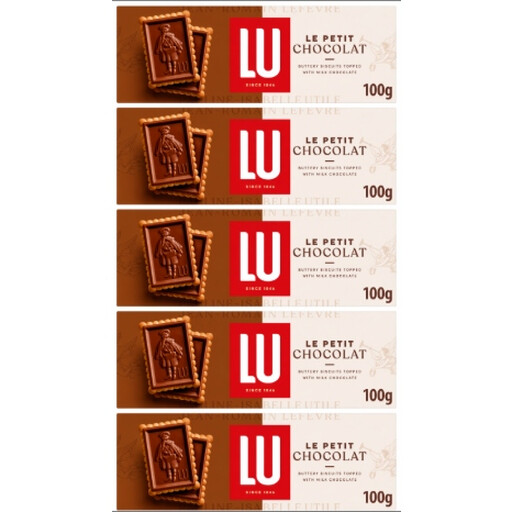
Consider these for a chocolate-biscuit afternoon snack if a digestive recipe is not essential. They are chocolate biscuits rather than digestives; check how the stated 100g x 6pcs variant is packed if you need one serving to carry.
 No image available
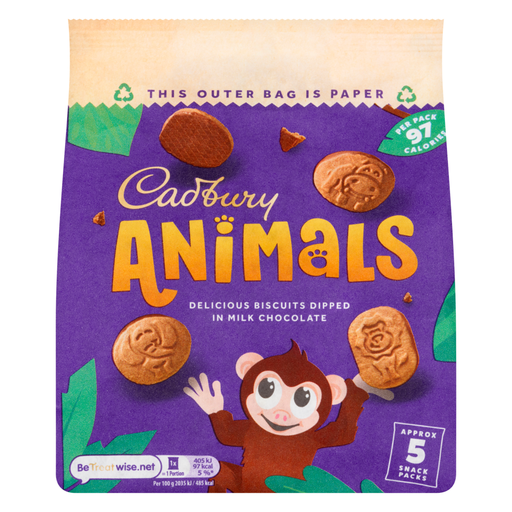
These 99.5g mini animal-shaped biscuits are an alternative when small biscuits matter more than the digestive type. They are not digestives; check the inner-pack configuration if you want a separate portion to take out.
 No image available
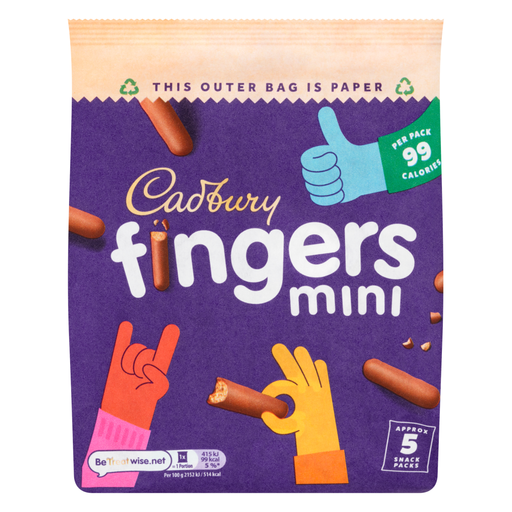
The 96.5g Mini Fingers offer small biscuits for an afternoon snack you serve yourself. They are finger biscuits, not digestives; check the pack format if you need separately wrapped servings.
 No image available
If you want a digestive but do not need mini pieces, this is a standard-size dark-chocolate option. The twin pack is 2 x 266g; it is neither a plain digestive nor an individual mini serving.
 No image available
This 400g original digestive is a non-chocolate option when mini size is not required. It is not a bite-size snack pack. The product information warns that excessive consumption may produce a laxative effect; read the pack information before serving.
No. Compare the weight you plan to eat: Tesco lists a McVitie's mini inner pack at 19 g and one of its standard-size plain digestives at 14 g. Smaller pieces do not necessarily mean less biscuit overall.
Read the ingredients and allergen statements on the actual pack. Retailer listings identify wheat, milk and soya in McVitie's chocolate minis and Tesco's half-coated minis; Tesco's pouch also lists a may-contain warning for peanuts and nuts.
Follow the instructions on the chosen pack. For its 90 g half-coated mini digestive pouch, Tesco says to keep the biscuits in an airtight container after opening.
Pack size alone cannot answer that question. The Department for Education says England's school food standards apply to food provided to pupils on school premises; anyone selecting food for a school should check the current rules for its nation and setting.
No conclusion about an individual biscuit follows from its name or mini size alone. Department of Health and Social Care guidance on promotion restrictions says that products in the specified categories must also meet the nutrient-profiling definition of “less healthy” for those restrictions to apply.