
24/7 Customer Support

Free returns

Same-day & Next-day Delivery

Quality Guaranteed

Unlock Your Welcome Offers: FREE Delivery | Up to 80% OFF | Free 30-day JoyPlus trial
Download the APP
Living in a space with limited kitchen facilities—be it university halls, a compact city flat or even an office pantry—shouldn't mean a diet of cold sandwiches and takeaways. The mini electric cooking pot has emerged as a practical solution for preparing hot, simple meals. However, the market is flooded with options, and it's easy to fall for marketing hype that leads to a disappointing purchase.
As a Joybuy Product Recommendation Officer, my role is to help you navigate these choices. Before you buy, let's look at the common pitfalls that many UK shoppers encounter and how to sidestep them to find a reliable appliance that truly meets your needs.
noodle cooker for halls, crucial safety features are often ignored. The absence of boil-dry protection or an auto shut-off function is a significant fire hazard, especially in shared or unattended spaces. An unstable base or a non-compliant UK plug are other red flags.To ensure you get a dependable and safe portable electric cooker, focus on these three core parameters.
The wattage of a mini electric cooking pot directly impacts how quickly it heats up.
A good non-stick multi cooker should have a durable, food-grade coating. Look for clear descriptions of the material. To maintain it, always use wooden, silicone or plastic utensils. Never use metal scourers for cleaning; a simple wipe with a soft sponge and soapy water after the pot has cooled is sufficient. A well-cared-for coating ensures your pot remains a useful part of your daily routine.
For any electrical appliance, especially one used for cooking, safety is paramount.
travel cooker uk model should still meet these fundamental standards for safe use within the country.Based on these practical criteria, here are a few options tailored to different lifestyles and needs.
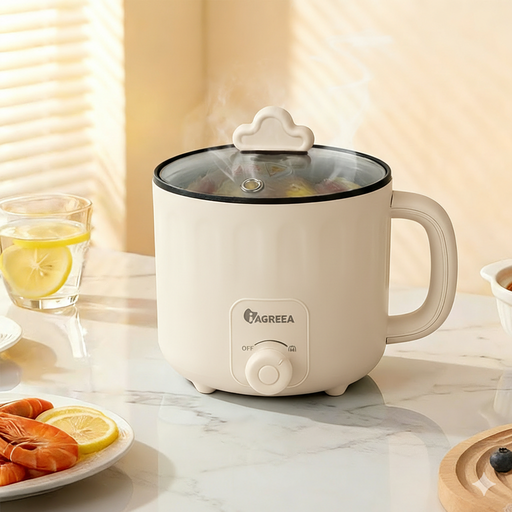
Why This Fits Their Persona: Its 1.6L capacity is ideal for single servings of ramen, soup or oatmeal. The compact footprint is perfect for a small desk in halls, and the 600W power provides a good balance of speed and electrical safety for shared accommodation.
This model includes both Auto Power-Off and boil-dry protection, directly addressing the critical safety flaws common in cheaper, uncertified pots.
Features a food-grade non-stick coating for easy cleaning and a simple one-knob control, making it very user-friendly for cooking beginners.
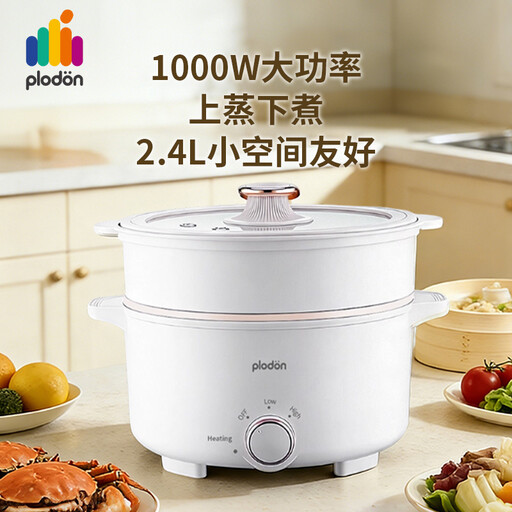
Why This Fits Their Persona: For those needing more than just a basic ramen cooker, this 2.4L model is large enough for a meal for two or a solo hot pot. The included electric pot with steamer attachment adds versatility, allowing you to steam vegetables or dumplings while soup simmers below.
The 2.4L stated capacity is generous and practical, avoiding the "misleading volume" trap. It provides genuine space for small family meals or gatherings, unlike smaller pots that boil over easily.
Its 1000W power with dual temperature control offers fast heating and simmering options. The food-grade non-stick interior is suited for a variety of cooking methods, from boiling to light frying.
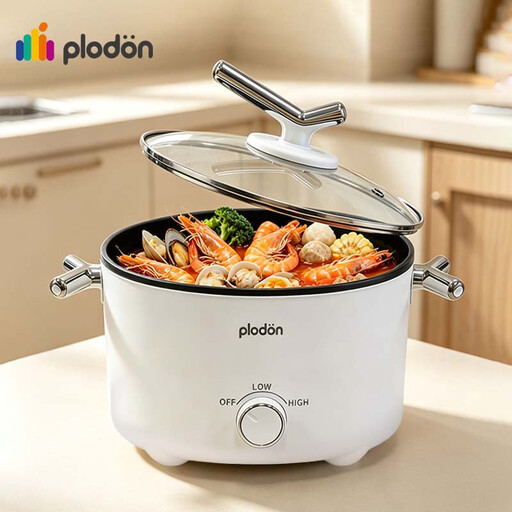
Why This Fits Their Persona: This cooker is described as compact, space-saving and portable, making it a strong candidate for an office kitchen or campervan. The detachable power cord enhances its portability and makes it easier to clean and store in tight spaces.
It features a premium non-stick inner pot and stay-cool handles, addressing the common pitfalls of poor material quality and unsafe handling that plague many portable cookers.
The dual LOW/HIGH heat settings provide excellent versatility for different meals, from gently simmering soup at your desk to quickly boiling pasta on a camping trip. The clear glass lid is a practical touch.
We have compiled a complete, real-time list of products that fully satisfy these strict selection criteria and UK safety regulations.
Yes, for most solo cooking tasks, 600W is perfectly adequate. It can boil a single portion of water for noodles or tea in approximately 5-8 minutes. While not as fast as a 1000W model, it's a reliable power level that is often more suitable for the electrical circuits found in older buildings or university halls.
The key is to avoid abrasive materials and sudden temperature changes. After cooking, unplug the pot and let it cool down completely. Use a soft sponge or cloth with a small amount of washing-up liquid and warm water. Never use steel wool, abrasive powders or metal utensils, as these will scratch and degrade the non-stick coating.
This varies significantly between institutions. Many universities have strict rules about cooking appliances in rooms to prevent fire hazards. Appliances with exposed heating elements are almost always forbidden. However, self-contained units with automatic shut-off and boil-dry protection, like the ones discussed, may be permitted in designated kitchen areas. Always check your university's accommodation handbook or consult with the residence staff before purchasing and using any cooking appliance.