
24/7 Customer Support

Free returns

Same-day & Next-day Delivery

Quality Guaranteed

Unlock Your Welcome Offers: FREE Delivery | Up to 80% OFF | Free 30-day JoyPlus trial
Download the APP
A mini fridge can be a game-changer for small spaces. Whether you're a student in halls, looking for an office fridge to store your lunch or a beauty enthusiast wanting a dedicated skincare fridge, the convenience is undeniable. However, the market is flooded with options, and it's easy to make a purchase you'll later regret.
Before you buy, it's important to understand the common pitfalls. Many shoppers are caught out by a few key issues that turn a useful appliance into a frustrating waste of space and money.
To avoid these issues, focus on the technical specifications that actually matter for your needs. Analysing these three core parameters will help you select a reliable and practical compact fridge.
This is the single most important factor.
12v cooler and warmer on the go. However, their cooling power is limited by the surrounding temperature.under counter fridge or compact fridge can achieve and maintain consistently low temperatures (typically 0-10°C) regardless of the room's warmth. They are the better choice for storing fresh food, milk and other perishables for extended periods.Consider where you will use your mini fridge most.
car fridge for road trips, commuting or camping. A truly portable fridge will offer both AC and DC power options for maximum flexibility.Don't just rely on the stated litre capacity.
under counter fridge.Based on these practical considerations, we've matched a few models to common UK user profiles.
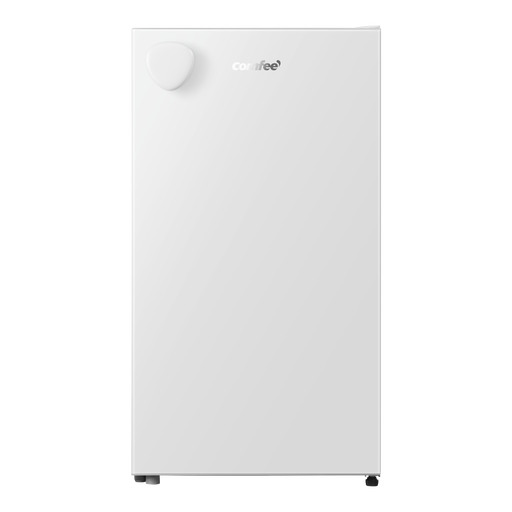
Why This Fits Their Persona: This user needs more than just a drinks cooler; they need a functional small fridge for groceries. The 88L capacity is substantial enough for weekly essentials and its under-counter design is perfect for the limited space in a studio flat or shared kitchen.
It uses compressor technology, avoiding the "not-so-cold" trap of thermoelectric models. It provides reliable cooling for perishable foods like meat and dairy.
Includes a fresh crisper drawer to keep vegetables fresh and removable glass shelves for flexible storage. The reversible door adds installation convenience.

Why This Fits Their Persona: This user prioritises portability above all. For road trips, long commutes or camping, having a compact unit to keep drinks cool or a packed lunch warm is essential. Its small footprint and light weight make it easy to carry and fit in a vehicle.
Its product description correctly manages expectations by stating it is a thermoelectric cooler, not a freezer. The capacity is clearly defined in terms of cans and bottles, avoiding the "misleading space" trap.
Features both AC and 12V DC power cords, offering true home-to-car versatility. The dual cooling and warming modes add significant value for year-round use.
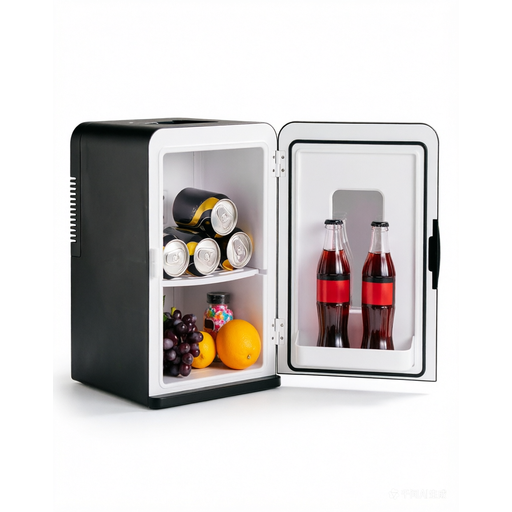
Why This Fits Their Persona: This user needs a dedicated space for specific items—either to keep skincare products cool on a vanity or to store drinks and lunch at an office desk. The 15L capacity offers a great balance, providing more space than ultra-compact models without the bulk of an under-counter unit.
The thermoelectric system is well-suited for a quiet bedroom fridge or office environment, avoiding the noise trap of some compressor models. Its purpose is clearly defined for chilling and warming, not deep freezing.
The generous 15L capacity is highly practical for storing a variety of items, from skincare bottles to food containers. It also includes both AC and 12V DC power for added versatility.
We have compiled a complete, real-time list of products that fully satisfy these strict selection criteria and UK safety regulations.
The running cost depends on the model's size, cooling technology and energy efficiency rating. Compressor models, like the COMFEE' 88L fridge, have an official energy class (e.g., Energy Class E), which gives a standardised estimate of annual consumption. Thermoelectric coolers generally use less power but may run more continuously. On average, most mini fridges add a relatively small amount to a household's annual electricity bill, often comparable to a low-wattage light bulb left on.
Yes, a bedroom fridge is a popular choice. However, noise is a critical factor. Thermoelectric models are often preferred for bedrooms as they operate without a compressor, resulting in a quieter, more consistent low hum rather than the cycling on-and-off sound of a traditional fridge. Always check product details for information on operating noise levels.
The terms are often used interchangeably, but the key difference lies in the cooling technology. A drinks cooler is typically a thermoelectric unit designed to chill beverages and is not always suitable for storing perishable food due to its temperature limitations. A compressor-based mini fridge functions like a smaller version of your kitchen appliance, maintaining colder, more stable temperatures ideal for a wider range of food items.