What matters when choosing mini fudge?
Start with the exact product and allergen you need to check; then consider whether its format gives you the information needed to make that decision.
| Priority |
What to check |
Your needs |
| Declared allergens |
Read the current ingredient list and highlighted allergens. Check product-specific wording such as “not suitable for” a named allergy. |
I need to know whether this exact recipe contains an allergen I avoid, rather than relying on the word “fudge” or a familiar flavour. |
| Precautionary warnings |
Read any “may contain” statement as well as the ingredients. The Food Standards Agency explains that precautionary allergen labelling concerns possible unintended allergen presence. |
A warning about my allergen matters even when it is not listed as an ingredient; I need to assess it against my allergy-management advice. |
| Product type |
Distinguish plain fudge from cake bites or mixed snacks. Compare the complete label for each flavour and format. |
I may want a small fudge sweet, not a mini cake or pretzel snack with a different set of ingredients. |
| Pack information |
Use online details to narrow your choices, then check the current physical pack. For loose or counter-made sweets, consider whether you can obtain dependable information for that exact item. |
I need a label I can check at purchase and again before serving, especially if I have bought a similar product before. |
Mini fudge on Joybuy
This mini fudge option is a prepacked, bite-size sweet. Check its current pack against the specific allergens you need to avoid before choosing it.
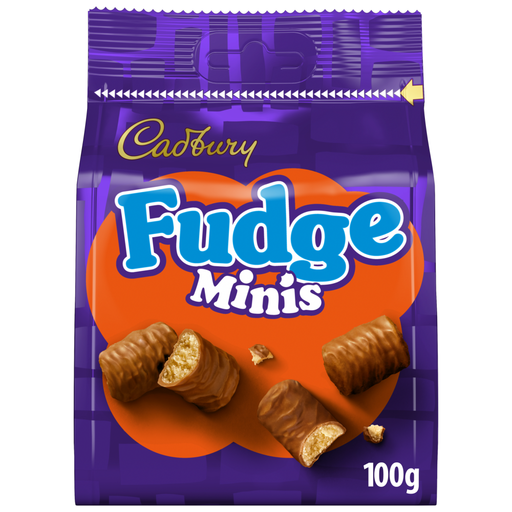 Image unavailable
Cadbury Fudge Minis 100 g
A bite-size fudge option for shoppers who want to check a prepacked product. The product information identifies milk and soya; read the current pack for the complete ingredients and any precautionary allergen warning before buying.
View on Joybuy
Frequently asked questions
Does bite-size fudge pose less of an allergy concern?
No: portion size does not establish allergen suitability. Read the exact product’s current ingredients, highlighted allergens and precautionary warnings; mini fudge sweets and fudge-containing cake bites can have different ingredients.
Should I choose prepacked fudge instead of counter sweets?
Choose a sealed prepacked product when you need to inspect a label for the exact item. Sainsbury’s advises shoppers with allergies to avoid products from its open in-store bakery, deli and similar counters because it cannot guarantee allergen absence there.
Can I rely on an online allergen panel?
Use online information to narrow your choices, but check the current physical pack before buying or serving. M&S and Waitrose warn that recipes or allergen information can change.
What does a “may contain nuts” statement mean?
It warns of possible unintended allergen presence, rather than naming nuts as an ingredient. The Food Standards Agency describes this as precautionary allergen labelling; assess the warning against the individual’s allergy-management advice.
Where are allergens shown on a UK prepacked food label?
The Food Standards Agency states that the 14 regulated allergens must be emphasised within the ingredients list of prepacked food or drink. Read the whole label as well as any precautionary statement; an emphasised ingredients list does not establish that a product suits every allergy.


