Couples planning a self-serve sweet table
A stated piece or serving count helps with portion planning. If you choose loose fudge instead, decide how guests will pick up a portion without cutting it at the buffet.


Choose counted bites if knowing the number of ready-to-serve portions matters most; check the description, as a fudge-containing brownie bite is not traditional fudge. Choose classic fudge for a traditional sweet table, using the pack’s serving guidance and a way to serve loose pieces. Sharing bags and tubs offer other mini-bite formats, but their names alone do not establish that they contain classic fudge.
A stated piece or serving count helps with portion planning. If you choose loose fudge instead, decide how guests will pick up a portion without cutting it at the buffet.
Check the product description and ingredients before buying. Some sweets called fudge mini bites are brownies, biscuits or cereal-based bites that contain fudge rather than pieces of classic fudge.
Keep each product identifiable alongside its current allergen information. Food Standards Agency guidance and Food Standards Scotland guidance require food businesses to provide allergen information for both prepacked and non-prepacked food.
Decide what kind of sweet you want first, then compare portions and the practicalities of putting it out for guests.
Choose when: A stated number of ready-to-serve pieces matters more than serving traditional fudge.
Trade-off: Tesco describes Thorntons Chocolate Fudge Brownie Bites as brownies with fudge pieces, not plain fudge.
Choose when: The sweet table calls for recognisable fudge rather than a cake or chocolate snack.
Trade-off: Loose or hand-broken pieces need a serving method, and a pack weight does not tell you how many pieces guests will take.
Choose when: A selection of small sweets matters more than serving only traditional fudge.
Trade-off: M&S describes mini bites containing pretzels or biscuit crumb alongside fudge; the format does not establish the type of sweet.
| Priority | What to check | Your needs |
|---|---|---|
| Type of sweet | Read the product description and ingredients. Check whether it is fudge itself or a brownie, biscuit or coated bite containing fudge. | I want guests to find traditional fudge on the table, rather than a sweet that only includes fudge as an ingredient. |
| Portions | Compare stated piece and serving counts; check how loose pieces will be portioned. Tesco lists 10 servings for its Thorntons brownie-bite pack, while Sainsbury's states five servings for its 125 g All Butter Fudge. | If several guests will serve themselves, I want a workable portion plan without treating pack weight as a piece count. |
| Buffet handling | Check whether pieces are wrapped or loose and whether you will need tongs or cups. Keep products identifiable when transferring them from their packs. | Guests should be able to take a portion without cutting fudge or handling the remaining pieces. |
| Allergen information | Check each received pack’s current ingredient and allergen statements, including suitability warnings. Agree with the caterer or venue how information will remain available at the buffet. | Where guests need allergen information, I want it to match the exact sweets being served, not just a flavour name or an earlier online listing. |
M&S Pretzel Fudge Mini Bites combine cornflakes, fudge and pretzels, while Tesco describes Thorntons Chocolate Fudge Brownie Bites as brownies with fudge pieces. Those are different choices from pieces of traditional fudge.
Check the product description and full ingredient list before deciding which type belongs on the buffet.
Sainsbury's states five servings for its 125 g All Butter Fudge; Tesco lists 10 servings for a Thorntons brownie-bite pack. Grams and servings answer different planning questions.
Use a stated count where available. For loose fudge, decide how you will portion it before the event.
Once sweets are put out without their packs, guests and staff still need to identify the product. Food Standards Agency and Food Standards Scotland guidance requires food businesses to provide allergen information for prepacked and non-prepacked food.
Keep the current labels or an accurate written allergen record, and agree with the caterer or venue how guests can obtain the information.
The sweets received for the wedding need to match the information used for buffet labels and allergen enquiries.
Check the physical packs when they arrive and update the buffet information if the ingredients or warnings differ.
These examples help distinguish traditional fudge from other small sweets; a brand name alone does not identify the format of an individual product.
Thorntons lists traditional fudge formats, while Tesco also lists Thorntons-branded chocolate fudge brownie bites.
M&S lists fudge-containing mini bites with different ingredients and coatings.
Waitrose lists sharing tubs of mini bites as well as a separate fudge range.
Tesco lists small sweets that may contain fudge alongside other components.
Sainsbury's describes its All Butter Fudge as hand-broken fudge.
The Candy Company’s cornishfudge.com supplier page describes traditional fudge boxes and private-label products.
This mini-fudge option suits a sweet table where guests can take small pieces from a sharing bag. Check the pack details before using it to plan exact guest portions.
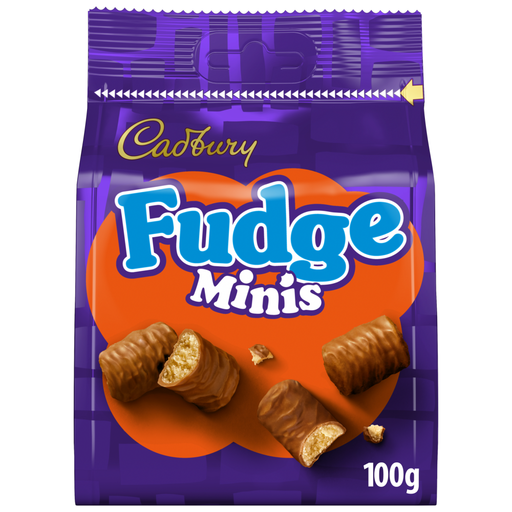 Image unavailable
These bite-sized, chocolate-coated fudge sweets fit a sharing-bag sweet table rather than a plain-fudge presentation. Check the received pack for its piece count, whether pieces are individually wrapped, and current allergen information before setting portions or buffet labels.
No. Read the description and ingredients: M&S describes one mini-bite product as a combination of cornflakes, fudge and pretzels, while Tesco describes Thorntons Chocolate Fudge Brownie Bites as brownies with fudge pieces.
Start with the stated piece or serving count, not pack weight alone. Tesco lists 10 servings for its Thorntons brownie-bite pack, and Sainsbury's states five servings for its 125 g All Butter Fudge; if you choose loose fudge, decide how it will be portioned before the event.
Yes. Food Standards Agency guidance and Food Standards Scotland guidance require food businesses to provide allergen information for prepacked and non-prepacked food. Keeping current packaging or an accurate written record helps the caterer identify what is being served after sweets are put out.
No. Check the exact product’s current ingredient, allergen and suitability statements, including any warnings about manufacturing methods. A fudge flavour name does not describe every ingredient in a brownie, biscuit or coated mini bite.