Leisure riders extending their rides
As rides get longer, decide what food to carry in light of the duration, intensity and what you have eaten beforehand. Sweets need not be an automatic addition to every ride.


Mini jelly sweets can be a countable carbohydrate option for a longer ride if you use the pack’s nutrition information to plan portions and can eat them safely. For an approximately 90-minute ride after breakfast, Cycling UK says water may be sufficient; sweets do not replace a drinks plan, and dietary suitability depends on the current pack label.
A small sweet is worth considering for its measurable carbohydrate contribution, not simply because it is easy to carry.
As rides get longer, decide what food to carry in light of the duration, intensity and what you have eaten beforehand. Sweets need not be an automatic addition to every ride.
Small pieces may suit a plan built around several measured feeds. The serving definition matters: Nestlé Confectionery UK lists 11.1g carbohydrate per seven Rowntree’s Jelly Tots, a figure specific to that product.
Rowntree’s Jelly Tots and HARIBO Jelly Beans have manufacturer vegan statements. Check the current pack of whichever product you choose; a vegan statement does not answer a separate allergy question.
Start with the ride, then compare the sweet’s stated serving and how you would carry and eat it. Cycling UK says water can be enough for an approximately 90-minute ride after breakfast, while longer rides call for more deliberate food planning.
| Priority | What to check | Your needs |
|---|---|---|
| Ride length | Consider duration, intensity and food eaten beforehand. Plan drinks separately from any sweets. | For a shorter ride after breakfast, I may only need to carry water; a longer ride calls for a more deliberate food plan. |
| Carbohydrate portion | Read carbohydrate per stated serving or per 100g, then work out the amount you would carry. Count carbohydrate from drinks and other food too. | I want to know what a planned portion contributes, rather than treating a mini bag or a handful as a fixed cycling feed. |
| Dietary suitability | Check the current ingredients, dietary statement and allergen information for the exact product. Do not use a vegan claim as an allergy guarantee. | If I avoid particular ingredients, the pack I buy needs to meet those requirements; a statement about another sweet in the same brand’s range is not enough. |
| Handling | Consider whether you can reach, open and manage the pack without losing control. Follow Cycling UK’s advice to practise eating and drinking in a traffic-free space. | Small pieces are useful to me only if I can handle them safely; otherwise, I can stop before eating. |
| Planned use | Compare sugar information for the portion you intend to take. Keep ride food and your post-ride meal as separate decisions. | I want sweets for a particular ride plan, rather than taking a bag with no idea how much I intend to eat. |
Mini describes a format, not a standard carbohydrate amount. Nestlé Confectionery UK lists 11.1g carbohydrate per seven Jelly Tots, whereas HARIBO UK lists 93g per 100g for Jelly Beans; those are different products and serving bases.
Use the chosen pack’s carbohydrate figure to work out a portion, and include any carbohydrate from other ride food or drinks.
Cycling UK says a bottle of water can be sufficient for an approximately 90-minute ride after breakfast. Carrying sweets does not mean you need to eat them.
Consider the planned duration, intensity and what you have eaten before deciding whether to use the sweets you carry.
Vegan suitability concerns ingredients of animal origin; it does not establish suitability for every allergy. GOV.UK explains that regulated allergens present as ingredients in prepacked food must be clearly identified in the ingredients list.
Read the current physical pack’s ingredients and allergen information for the exact sweet, including any relevant precautionary statement.
Reaching for and handling food can interfere with bicycle control. Cycling UK advises practising one-handed riding and eating or drinking in a traffic-free space.
Check how you will carry the pack before setting off. If opening or eating it would distract you, stop somewhere safe.
These examples show why the exact product label matters: nutrition figures and dietary statements for one sweet do not transfer to another.
Jelly Tots offer a manufacturer-stated, piece-based carbohydrate reference for riders comparing small sweets.
Jelly Beans provide a per-100g carbohydrate figure and a product-specific vegan statement.
Tesco’s jelly-and-chewy-sweets category includes products from several manufacturers, allowing shoppers to compare different formats.
These Rowntree’s Fruit Pastilles options are relevant if you want to compare portionable jelly sweets for a ride. They are not the Jelly Tots used as a nutrition example above; use each Pastilles pack’s own label for your plan.
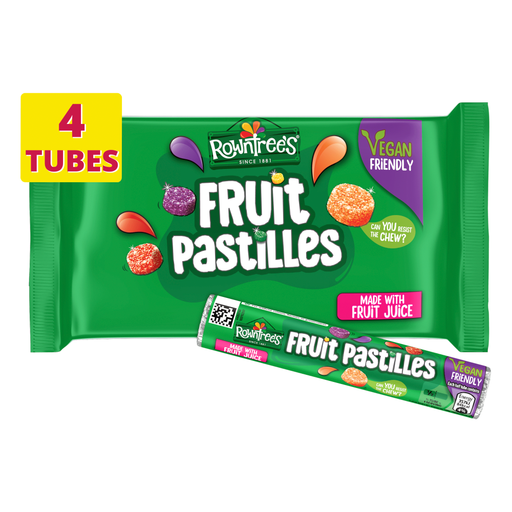 No image available
The four 41g pouches may suit a rider who wants to carry a separate portion for a longer ride. Use the current pack’s carbohydrate information to plan how many sweets to take, and check its ingredients and allergen information if these affect your choice. Check that you can handle a pouch safely before relying on it while riding.
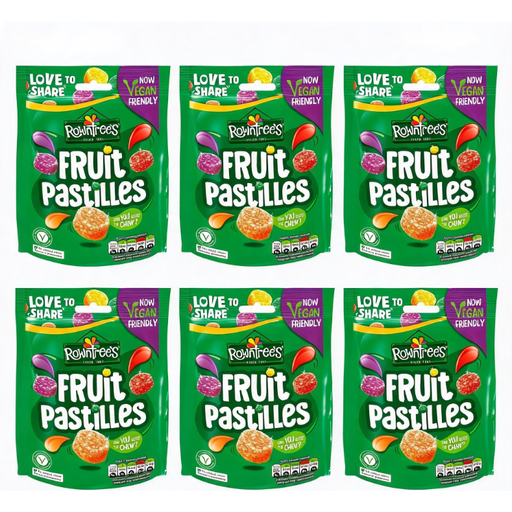 No image available
This six-pack option is relevant if a vegan-labelled sweet and countable portions are priorities. Check the current pack’s carbohydrate serving, ingredients and allergen information for the amount you intend to carry; vegan labelling alone cannot settle an allergy decision. Consider how you would open and manage a pack before eating while riding.
No. Cycling UK says water can be sufficient for an approximately 90-minute ride after breakfast. For a longer or harder ride, consider food in the context of its duration and intensity rather than carrying sweets automatically.
Start with the carbohydrate amount on the exact pack’s nutrition label and its stated serving size. Nestlé Confectionery UK lists 11.1g carbohydrate per seven Rowntree’s Jelly Tots, for example; another product needs its own calculation. Include carbohydrate from other food and drinks in the same ride plan.
No. Jelly sweets are a food choice, not a drinks plan. Consider what to carry to drink separately, taking account of the ride and conditions.
Only if you can open, handle and eat them without compromising control. Cycling UK advises practising eating and drinking in a traffic-free space; if you cannot manage the food safely, stop before eating it.
No. Vegan suitability and allergen information answer different questions. GOV.UK says regulated allergens present as ingredients in UK prepacked food must be clearly identified in the ingredients list, so check the current pack of the exact product and any relevant precautionary statement.