Hosts sharing a bowl
Small dots or beans suit a bowl that guests can pass around during a film. Nestlé describes Rowntree’s Jelly Tots as little fruity sweets; HARIBO describes its Jelly Beans as bean-shaped fruit-flavour gums.


For a shared bowl of small pieces, consider Rowntree’s Jelly Tots or HARIBO Jelly Beans: Nestlé describes its core Jelly Tots as bite-size and vegan, while HARIBO identifies its Jelly Beans as vegan. Other mini gummies can differ in ingredients and warnings, so check the exact pack for guests’ dietary needs and decide how much to put out before the film.
Small dots or beans suit a bowl that guests can pass around during a film. Nestlé describes Rowntree’s Jelly Tots as little fruity sweets; HARIBO describes its Jelly Beans as bean-shaped fruit-flavour gums.
A product-specific dietary statement matters more than the category name. Nestlé says its core Jelly Tots range contains no gelatine and is suitable for vegans, and HARIBO identifies Jelly Beans as vegan. Check the pack being served.
On-pack serving information can help when dividing sweets between bowls. Tesco lists 11 sweets as a serving for the Rowntree’s Jelly Tots 150g sharing bag.
Choose the piece size and texture first, then check dietary details, serving information and warnings on the exact product.
| Priority | What to check | Your needs |
|---|---|---|
| Piece size | Look for an explicit small-piece description and a pack size that suits the gathering. Nestlé describes Jelly Tots as little dots; HARIBO describes Jelly Beans as bean-shaped gums. | A bowl of small pieces suits my film night better than larger jelly babies. |
| Dietary suitability | Read the current vegan or vegetarian statement and ingredients for the exact variant. Nestlé says core Jelly Tots contain no gelatine; M&S lists beef gelatine in its Jelly Babies. | If a guest needs vegan sweets, I cannot assume every product labelled “jelly” will suit them. |
| Serving and sugars | Use the stated serving and compare nutrition figures on the same basis. Tesco lists 11g sugars per 11-sweet serving of Jelly Tots 150g; NHS explains that total sugars are not a direct figure for free sugars. | I’d rather choose how much to put out before the film than leave the whole bag open. |
| Allergens and age warnings | Check the exact pack’s ingredients, allergy information and age advice. M&S warns that its Fruit Jellies and Jelly Babies are not suitable for children under 36 months because of a potential choking hazard. | When guests have allergies or young children are joining, I need the warnings for the sweets I am actually serving. |
Recipes differ: Nestlé says core Rowntree’s Jelly Tots contain no gelatine, while M&S lists beef gelatine in its Jelly Babies.
When vegan or vegetarian suitability matters, choose a product with a current suitability statement and check the exact pack before serving.
Pack size and serving size answer different questions. Tesco’s Rowntree’s Jelly Tots 150g listing gives 11 sweets as a serving, with 11g sugars.
Decide how much to put into bowls before the film, using the product’s own serving information if it is useful to you.
NHS explains that the total-sugars figure on a food label includes both free sugars and sugars naturally present in foods such as milk and fruit.
Read the nutrition panel on its stated per-serving or per-100g basis; do not treat total sugars as an exact free-sugars amount.
M&S states that its Fruit Jellies and Jelly Babies are not suitable for children under 36 months because of a potential choking hazard. That warning applies to those products, not automatically to every jelly sweet.
Check the age and safety wording on the particular pack before offering sweets to young children.
Jelly Tots are a small-dot option: Nestlé describes them as bite-size, and Tesco lists a 150g sharing bag.
HARIBO describes its Jelly Beans as fruit-flavour, sugar-coated gums in small bean shapes.
Its jelly-sweet lines include Jelly Babies and the distinct Percy Pig gummy product, with different dietary information.
Tesco lists jelly and chewy sweets in varied pack formats, including smaller bags and sharing packs.
These fruit-shaped gummy options are for shoppers considering small pieces for movie night. Their ingredients and age warnings differ, so check each product separately.
 No image available
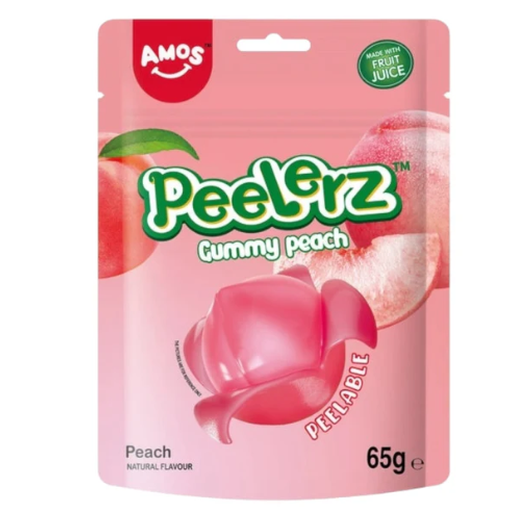
Miniature peach-shaped gummies offer small pieces for a movie-night bowl in a 65g bag. Check the current pack for vegan suitability and its stated may-contain information for cereals containing gluten, milk, soybeans and sulphites.
 No image available
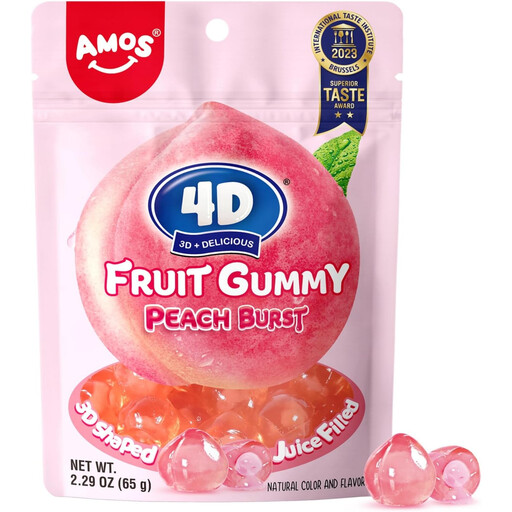
Mini peach-shaped gummies provide another small-piece format for sharing in a 65g bag. The listed ingredients include gelatine, and the product warning says it is not suitable for children under 4.
 No image available
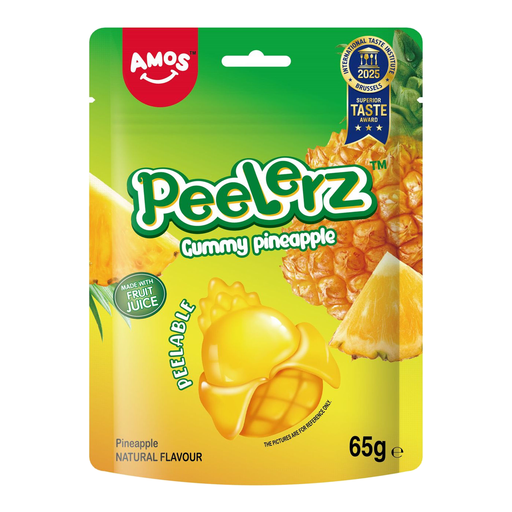
Miniature pineapple-shaped gummies come in a 65g bag. The listed ingredients include pork gelatine; the product is marked as not for children under 4 and may contain milk and sulphites. Check the current pack before serving guests with dietary requirements.
Start with sweets explicitly described as small dots or beans. Nestlé describes Rowntree’s Jelly Tots as little, bite-size sweets, while HARIBO describes Jelly Beans as bean-shaped gums. Larger jelly babies are a different choice if your group wants that format rather than mini pieces.
No. Nestlé says core Jelly Tots contain no gelatine and are suitable for vegans, and HARIBO labels its Jelly Beans vegan; M&S Jelly Babies list beef gelatine. Check the current ingredients and suitability statement for the exact product.
Use the product’s stated serving as a reference for dividing the pack. Tesco lists 11 Jelly Tots as a serving, with 11g sugars, for its 150g bag. NHS notes that a label’s total-sugars figure is not a direct measure of free sugars.
Read the ingredients and allergy information on the exact pack before serving it. UK Government food-allergen guidance distinguishes prepacked from loose food because the labelling rules differ according to how food is provided; a different product or variant needs its own check.
Check the warning for the particular product. M&S states that its Fruit Jellies and Jelly Babies are not suitable for children under 36 months because of a potential choking hazard. Do not assume the same age wording applies to every mini sweet.