Hosts serving guests of different ages
Choose between separate packs and a shared bowl, then check the current label for any age guidance and dietary warnings before putting sweets out.


Choose mini bags if guests should each receive a sealed portion; choose loose mini beans or smaller bite-size gums for bowls or paper cups. Before serving, check the exact pack for ingredients, allergy and age warnings, and sugars on a comparable serving basis: smaller sweets are not necessarily lower in sugar.
Choose between separate packs and a shared bowl, then check the current label for any age guidance and dietary warnings before putting sweets out.
Check each sweet’s ingredients and dietary statement. Fruit flavour alone does not tell you whether it contains gelatine.
The Department for Education says school-food requirements apply to food and drink provided in state-funded schools in England. Ask the school to assess the planned sweets before buying for its event; a private afternoon tea is a different setting.
Start with how guests will take the sweets, then check the exact pack against their dietary needs and the portions you plan to serve.
| Priority | What to check | Your needs |
|---|---|---|
| Serving format | Check the number of sealed mini bags, or whether loose pieces will suit bowls or paper cups. A sharing bag is not necessarily a mini format. | I want one pack per guest if portions need to be handed out; for self-service, I would rather offer small pieces in a bowl. |
| Ingredients and allergies | Read the current ingredients, vegan or vegetarian statement, and allergy warnings for the exact product. Check each sweet in a mixed assortment. | Guests need to be able to identify sweets that fit their dietary requirements without guessing from the flavour or appearance. |
| Sugar information | Compare sugars per 100g on the same basis, then check each pack’s stated serving. A mini bag or piece is a serving format, not a sugar claim. | I want to decide how much to put out rather than assume smaller pieces contain less sugar. |
| Age guidance | Check the exact pack for age restrictions and serving cautions, especially when children will be guests. | For a mixed-age party, I need to know whether a sweet carries a warning before leaving it within children’s reach. |
Piece size does not establish sugar content. Tesco Groceries lists 15.0g sugars per 25g for Tesco Jelly Babies and 15.2g per 25g for Tesco Fruit Jellies, despite their different ingredients.
Decide how much you will serve, then compare the nutrition panels using the same basis.
HARIBO UK lists gelatine in its Jelly Babies. Marks & Spencer labels Percy Pig Piglets vegan and vegetarian but says they are not suitable for people with a milk allergy.
Check the current pack for each product and keep its ingredient information available beside any shared bowl.
The Department for Education’s school-food guidance concerns food provided in state-funded schools in England. The 2014 school-food regulations define confectionery to include non-chocolate confectionery; that setting is distinct from a private afternoon tea.
If a state-funded school in England is providing the food, ask it to assess the proposed sweets against its requirements before buying.
Ingredients and warnings can change, so an earlier listing may not describe the pack guests will eat.
Read the delivered or in-store pack before serving, particularly for allergens, gelatine and age guidance.
Its UK range includes Jelly Beans and Jelly Babies, which need different dietary checks.
Fruit-sweet sharing bags include Jelly Tots in Tesco Groceries’ listing; Joybuy also lists a Fruit Pastilles Vegan 143g product.
Tesco Groceries lists Mini Jelly Beans 85g, as well as Jelly Babies and Fruit Jellies.
Sainsbury’s lists an own-label 460g Jelly Babies pack and a HARIBO Jelly Babies Double Trouble sharing bag.
Marks & Spencer describes Percy Pig Piglets as smaller bites and labels them vegan and vegetarian.
These options include individually portioned HARIBO mini bags, fruit gummies for sharing and a traditional Jelly Babies sharing bag. Check the format of each pack: not every option is labelled mini.
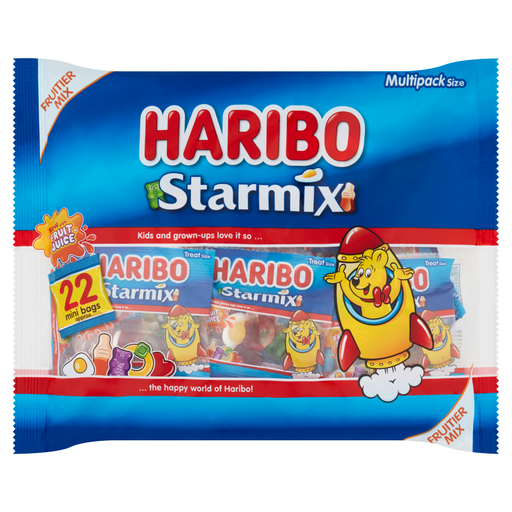 Image unavailable
The 22-bag format suits handing out separate portions at afternoon tea. Check the current pack’s ingredients and nutrition information if guests have dietary requirements or you are comparing portions.
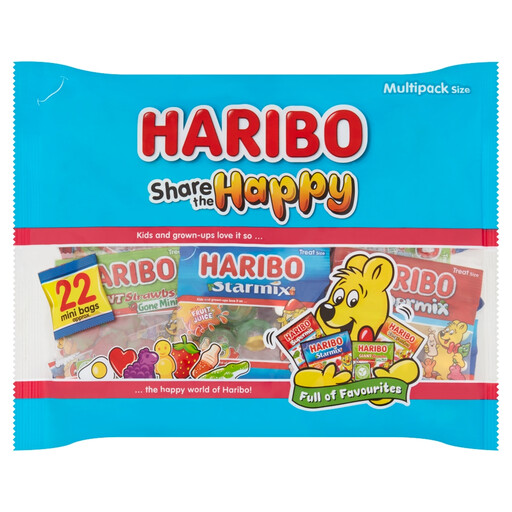 Image unavailable
Another 22-bag choice for giving guests individual packs. For a mixed assortment, check the current pack for what each bag contains and whether its ingredients suit your guests.
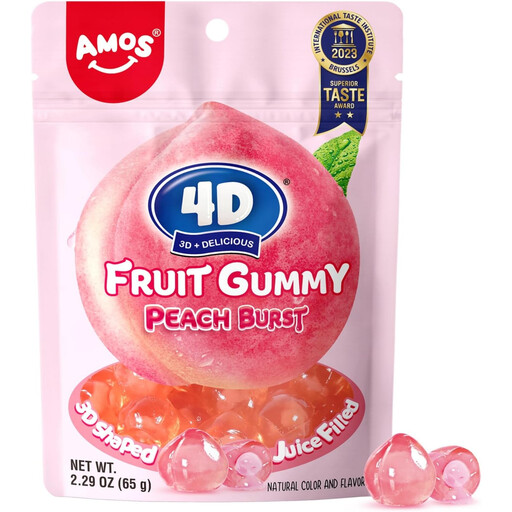 Image unavailable
The 65g peach gummy bag is an option for putting small pieces on a shared table. Its listing advises against serving it to children under four and recommends supervision while eating; check the current pack for ingredients and allergy warnings.
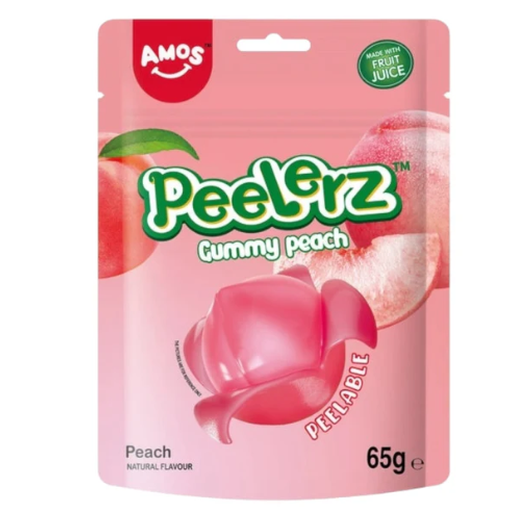 Image unavailable
This 65g peach gummy bag offers a different sweet for a party table, but its title does not identify a mini format or individual portions. Check the current pack for dietary status, possible allergen traces and age guidance before serving.
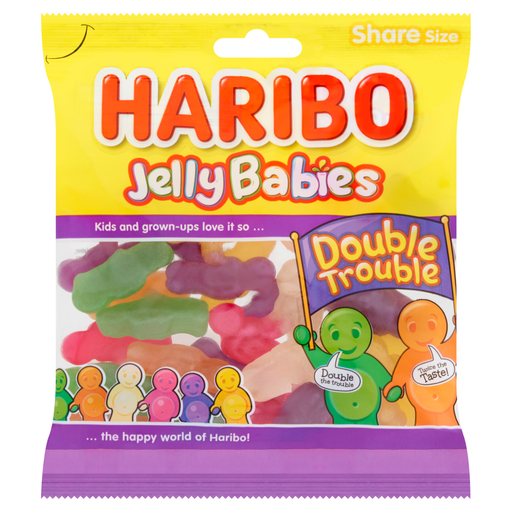 Image unavailable
The sharing bag is an alternative if traditional Jelly Babies suit the table better than mini pieces. Check the current pack for gelatine, portion information and any guidance relevant to children.
Not necessarily: compare the exact packs using the same nutrition basis. Tesco Groceries lists 15.0g sugars per 25g for its Jelly Babies and 15.2g per 25g for its Fruit Jellies. A food label’s total-sugars figure is not itself a measure of free sugars.
You cannot tell from the flavour. HARIBO UK lists gelatine in Jelly Babies but describes its Jelly Beans as suitable for vegans. Check the dietary statement and ingredients on the exact current pack.
Use the current pack’s ingredients and warnings, and keep that information available when serving loose sweets. Marks & Spencer states that Percy Pig Piglets are not suitable for people with a milk allergy, despite their vegan and vegetarian labelling.
If the food is provided by a state-funded school in England, ask the school to assess the sweets before buying. Department for Education guidance says school-food legal requirements apply in that setting, and the 2014 school-food regulations include non-chocolate sweets within their definition of confectionery. Those rules should not be assumed to apply to a private home party.
The Department of Health and Social Care’s guidance describes restrictions on covered businesses’ promotion and placement of certain high-fat, sugar or salt products, not a general ban on a consumer buying sweets for a private party. School-provided food in England is a separate question to check with the school.