Carers choosing an occasional mint for an older child
If the child can safely manage sweets, the decision is whether a mint is appropriate for the occasion, which sugar and sweetener information matters, and how many to offer.


Choose a non-mint snack for babies and young children: the NHS identifies hard, gooey and sticky sweets as choking hazards for them. For an older child who can safely manage sweets, a mint can be an occasional, supervised choice; compare sugar per serving, check the current pack warnings and decide on a portion rather than treating a tube as a snack.
If the child can safely manage sweets, the decision is whether a mint is appropriate for the occasion, which sugar and sweetener information matters, and how many to offer.
A small piece is not automatically suitable. The NHS identifies hard, gooey and sticky sweets as choking hazards for babies and young children, and the checked Trebor Softmints label says it is not suitable for children under 4.
The Department for Education says legal school-food standards apply to food and drink provided by state-funded schools in England. For a particular holiday activity or parent-supplied item, check the organiser’s food policy rather than assuming those requirements settle the question.
Start with whether the child can manage the sweet safely. If a mint is appropriate, compare the exact pack’s serving information and decide how it will be portioned.
| Priority | What to check | Your needs |
|---|---|---|
| Age and texture | Read the pack’s age and choking warnings. The NHS says babies and young children should not have hard, gooey or sticky sweets; the checked Trebor Softmints label excludes children under 4. | I need to know whether this child can safely manage a sweet, not just whether the pieces look small or feel soft. |
| Sugars per serving | Compare the same portion size. Tesco Groceries lists 4.3g sugars per three Polo Original mints and 0.5g per three Polo Sugar Free mints. Check the serving size on other packs separately. | If I choose an occasional mint, I want to understand its listed sugars. For a routine between-meal snack, Lancashire and South Cumbria NHS Foundation Trust advises having foods containing sugars with meals instead. |
| Portions and sweeteners | Check how pieces come out of the pack, its serving guidance and any sweetener warnings. Sainsbury’s describes its Smint Mints 8g pack as dispensing one at a time and warns about laxative effects from excessive consumption. | On an outing, I would rather offer a decided portion than hand over a whole tube or dispenser. |
| Activity rules | Ask the organiser about sweets and packed food. Department for Education school-food requirements concern food and drink provided by state-funded schools in England; they do not, on their own, answer every holiday-club or parent-supplied-food question. | Before packing mints for an organised activity, I need to know what that particular setting permits. |
Piece size does not remove the choking concern. The NHS warns against hard, gooey and sticky sweets for babies and young children, while the checked Trebor Softmints pack says it is not suitable for children under 4.
Choose a non-mint snack for a young child, and follow the current age and safety wording on any sweet considered for an older child.
Tesco Groceries lists less sugar per three mints for Polo Sugar Free than for Polo Original, but that comparison does not settle portion size or suitability. The checked Smint listing warns that excessive consumption may produce laxative effects.
Decide on an occasional portion and read the exact pack’s ingredients and warnings.
Tesco Groceries gives Polo Original nutrition per three mints and describes approximately 28 such servings in its four-tube multipack. A tube is not the stated serving.
Keep the multipack with the carer and offer a decided portion, taking account of the pack’s advice to adjust portions for children of different ages.
The Department for Education’s legal school-food guidance applies to food and drink provided by state-funded schools in England. It does not by itself establish the policy for every holiday club or parent-supplied snack.
Check the specific organiser’s written food policy before bringing mints.
The checked Tesco Groceries listings cover Original and Sugar Free four-tube multipacks, with sugars stated for the same three-mint serving.
The checked Softmints tube offers a soft-texture alternative to a pressed mint, rather than an individually dispensed micro-mint.
The checked Sainsbury’s Smint Mints 8g listing describes sugar-free micro-mints in a one-at-a-time dispenser.
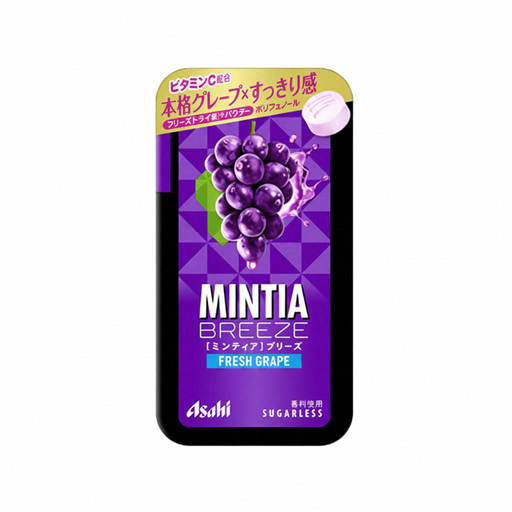
This sugar-free mint pack is an option to consider for an occasional outing with an older child who can safely manage sweets; its pack size does not establish the size of each mint.
 No image available
For an occasional outing with an older child who can safely manage sweets, this is a 22g sugar-free grape mint pack. Check the current label for age warnings, ingredients, serving information and how the mints are dispensed before deciding on a portion.
No. The NHS says babies and young children should not have hard, gooey or sticky sweets because they are choking hazards. The checked Trebor Softmints label also says it is not suitable for children under 4; for an older child, assess their ability to manage sweets and read the current pack warning.
A sugar-free label does not make a mint an everyday snack. Lancashire and South Cumbria NHS Foundation Trust advises having foods containing sugars with meals rather than as between-meal snacks, and the checked Sainsbury’s Smint listing warns that excessive consumption may produce laxative effects. Treat mints as occasional confectionery and check the exact pack.
Decide on a portion rather than handing over the pack. Tesco Groceries states Polo nutrition per three mints and says portions should be adjusted for children of different ages; a one-at-a-time dispenser, such as the checked Smint Mints 8g format, lets a carer dispense pieces deliberately.
Check the organiser’s food policy before bringing them. Department for Education guidance states that legal school-food standards apply to food and drink provided by state-funded schools in England; that scope does not, by itself, establish a rule for every holiday club or parent-supplied snack.