Parents considering an occasional mint
A compact sweet might appeal after lunch, but check the school's packed-lunch policy before putting mints in a school bag.


Mini mints are an optional, occasional sweet for a secondary-school packed lunch, provided the school permits them. If reducing sugars is the priority, a sugar-free pressed mint is worth comparing with a regular roll, but check its sweeteners and warnings as well as the stated serving; choose a softmint for its texture preference, not on the assumption that it contains less sugar.
A compact sweet might appeal after lunch, but check the school's packed-lunch policy before putting mints in a school bag.
Compare the exact product and serving: ASDA Groceries lists less than 0.5g sugars per three Polo Sugar Free mints, while Sainsbury's lists 4.3g per three Polo Original mints.
A tube or a single roll is easier to separate from a multipack than a large sharing bag. Check the labelled serving rather than treating the whole tube or roll as one portion.
Start with the school's rules, then compare pack format, sugars on the same labelled basis, and any ingredient warnings.
| Priority | What to check | Your needs |
|---|---|---|
| School rules | Check the individual school's current packed-lunch policy. Department for Education guidance covers food and drink provided in state-funded schools in England; it does not establish what a pupil may bring from home. | I want to know whether mints can go in this school's packed lunch before choosing a pack. |
| Sugars | Read sugars per stated serving on the exact pack. ASDA Groceries lists less than 0.5g per three Polo Sugar Free mints; Sainsbury's lists 4.3g per three Polo Original mints. Do not treat different serving sizes as a like-for-like comparison. | If I choose to pack a mint, I want to compare what the labels actually say about sugars. |
| Pack and portion | Check whether the pack is a tube, an individual roll or a multipack, and how many mints the label calls a serving. A stated serving is not a child-specific portion recommendation. | A small pack would be convenient, but I do not want to mistake the whole pack for one serving. |
| Ingredients | Read the physical pack's sweeteners and warnings. ASDA Groceries lists a warning that excessive consumption of Polo Sugar Free may produce laxative effects. | For a pupil with a relevant dietary need, I need to check the exact variant rather than rely on the words “sugar-free”. |
| Mint type | Compare a pressed mint with a chewy-centred softmint for the pupil's texture preference. Check each product's nutrition panel separately; texture does not establish its sugar content. | A softer mint may be the preferred sweet, but that preference does not settle the label comparison. |
A portable tube can contain several servings; the Polo Original label uses three mints as one serving.
Decide whether to pack mints at all, then check the serving information on the exact tube rather than using its size as a portion guide.
Sugars figures belong to their stated serving sizes. ASDA Groceries lists less than 0.5g per three Polo Sugar Free mints, while Sainsbury's lists 4.3g per three Polo Original mints.
Read the nutrition panel and serving basis for each product before choosing between sugar-free pressed mints, regular mints and softmints.
The Polo Sugar Free listing at ASDA Groceries carries an excessive-consumption laxative warning. Ingredients and warnings can also differ between variants.
Check the physical pack, particularly if a pupil has a relevant dietary need, and do not use “sugar-free” as a portion guide.
Department for Education guidance addresses food and drink provided in state-funded schools in England, not the policy of an individual school for food brought from home.
Check the school's current packed-lunch policy before buying mints specifically for school use.
Pressed mints sold in tube formats, including Original and Sugar Free variants.
Softmints offer a chewy-centred alternative to a pressed mint; the checked peppermint product comes as four rolls.
Tesco Groceries lists several mint formats in its category, including tube multipacks and a 200g Tesco Mint Imperials bag.
These sugar-free mint packs offer two formats to consider for carrying in a lunchbox. Check the individual mint size, serving information and school policy before deciding whether either fits.
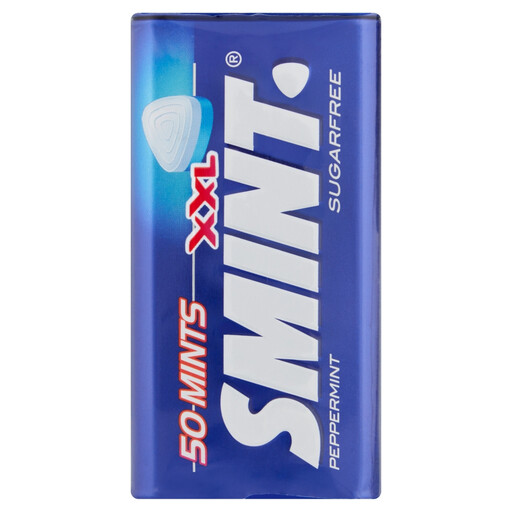 No image available
For a packed lunch, check whether the individual mints meet your intended mini size. The pack is labelled sugar-free; read its serving information, ingredients and warnings before use.
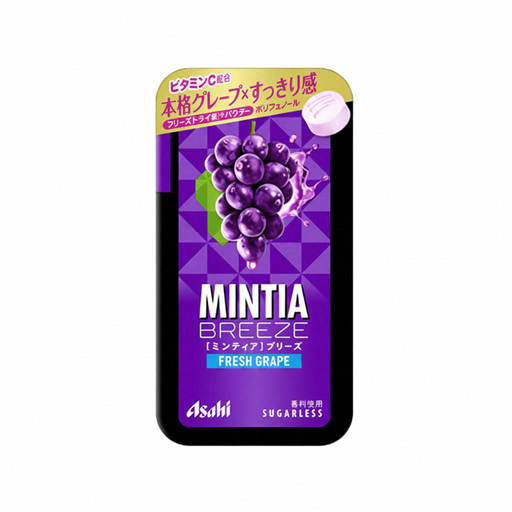 No image available
The 22g sugar-free pack is another format to consider carrying. Check the size of the individual mints and the physical pack's serving details, ingredients and warnings before choosing it for school.
Check the individual school's packed-lunch policy or ask the school. Department for Education guidance on school food in England covers food and drink provided in state-funded schools; it does not establish what that school permits pupils to bring from home.
No. ASDA Groceries lists less than 0.5g sugars per three Polo Sugar Free mints, but the product carries an excessive-consumption laxative warning. Compare the exact pack's serving, ingredients and warnings alongside its sugars figure.
There is no child-specific quantity established by the checked pack labels. The checked Polo labels use three mints as a serving; use that information to avoid mistaking a full tube for one serving, and consider whether mints need to be packed at all.
Mints are optional sweets, not a replacement for the main packed lunch. NHS guidance advises keeping the frequency and amount of sugary food and drinks as low as possible; read the product label when deciding whether to include them.
Check sugars against the stated serving, the ingredient list, sweeteners, warnings and pack size. Use the physical label for the exact product you intend to pack, particularly when comparing different mint variants.