Who is this decision for?
The key distinction is whether you want a small soft-drink serving or a known contribution to your training-fuel plan.
Runners considering a mini mixer as fuel
A compact can tells you its volume, not whether its carbohydrate content fits the run you have planned. The UK Sports Institute discusses carbohydrate drinks as an option when a runner needs something to consume before running; check the contribution of the exact drink rather than treating any sweet mixer as equivalent.
Runners choosing a separate post-run drink
If fuelling is already planned separately, a small tonic or ginger ale may suit the serving you want afterwards. Tesco has listed 150 ml Fever-Tree and Schweppes tonic multipacks, while Fentimans announced a 200 ml mixer format in 2021; check the pack currently offered before buying.
Runners trying an unfamiliar drink
If you intend to take a new drink on a run, try the exact product, portion and timing during ordinary training first. A 1992 study published in the International Journal of Sport Nutrition examined a carbonated carbohydrate drink, but its findings cannot establish how you will respond to a particular commercial mixer during a marathon.
What should you check before choosing?
Decide what the drink is for before comparing pack sizes: a separate mixer serving and a planned source of carbohydrate answer different needs.
Mini mixer as a separate drink
Choose it when: you want a compact tonic or ginger ale after training or socially, with run fuelling planned separately.
Keep in mind: a convenient serving size does not show whether its carbohydrate content fits a training plan.
Planned drink or food for a run
Choose it when: the session calls for a known carbohydrate contribution from a drink or separately planned food.
Keep in mind: check what a full serving contributes and practise your choice in training; a sports drink is not automatically needed for every run.
| Priority |
What to check |
Your needs |
| Carbohydrate contribution |
Read carbohydrate per 100 ml and work out what the complete serving contributes. Compare that figure with the run-fuelling plan you have made, rather than judging by bottle size or sweetness. |
If I am relying on a drink for carbohydrate during a run, I want to know what the portion actually provides. The UK Sports Institute identifies a carbohydrate drink as one option for a runner who has not eaten before running; that guidance does not make a tonic mixer a substitute. |
| Serving format |
Check the volume of each can or bottle and the number of servings in the pack. Tesco has listed 150 ml Fever-Tree and Schweppes tonic multipacks; Fentimans announced 200 ml mixer formats in 2021. |
A small serving would suit the separate drink I want after training, without making it part of my run-fuelling plan. |
| Exact variant |
Compare the nutrition tables for the standard, light or slimline products you are considering. Use the carbohydrate and sugar values for the actual serving, not the variant name, to assess its contribution. |
If I choose a light or slimline mixer for its flavour, I do not want to assume it contributes the same carbohydrate as the standard version. |
| Ingredients and trialling |
Read the exact pack’s ingredients and allergen information, particularly when changing flavour or brand. If you plan to drink it on a run, try that product and portion during normal training. |
An unfamiliar drink is something I would rather try before an important long run, when I can judge whether the flavour, carbonation and portion suit me. |
Brand and format references
These examples help distinguish mixer formats and variants; a brand’s mixer range is not, by itself, a marathon-fuelling plan.
Fever-Tree
Fever-Tree describes its Premium Indian Tonic Water as a mixer for spirits and fortified wines. Tesco has listed Fever-Tree tonic in 150 ml multipacks.
- The listed 150 ml format offers a defined small mixer serving.
- For any run-fuelling decision, check the carbohydrate contribution and ingredients of the exact variant rather than relying on its format.
Schweppes
Tesco has listed both standard and Slimline Schweppes Tonic Water in 12 × 150 ml multipacks.
- The listings give a compact format to compare across two named variants.
- Check each variant’s current nutrition label before counting a serving towards planned carbohydrate intake.
Fentimans
Fentimans announced a 200 ml range of tonic and other mixers in 2021. Separately, its Connoisseurs Tonic Water product information lists 4.5 g carbohydrate per 100 ml; that figure identifies that product, not every Fentimans mixer.
- The published product information gives an example of a stated per-100-ml carbohydrate value that can be related to a labelled serving.
- Confirm the format and label of the exact product offered now; the 2021 announcement does not establish current retail availability.
Britvic
Britvic’s 2022 announcement described Pink Raspberry Tonic in 200 ml bottles for licensed outlets.
- The announcement identifies a small mixer format.
- A format announced for licensed outlets does not establish current consumer-retail availability or the drink’s carbohydrate contribution.
Tesco
Tesco’s mixer listings have included own-label tonic in a 6 × 250 ml format alongside branded 150 ml tonic multipacks.
- The listed formats provide different serving volumes to check against the drink you want.
- Check the current listing and the exact product label; an own-label mixer format does not establish a sports-fuelling use.
Mini mixers for separate drinks on Joybuy
These 150 ml tonic and ginger ale multipacks are options for a separate post-run or social drink. If you need a known carbohydrate contribution during a run, assess that need separately rather than choosing from this mixer list by pack size.
 No image available
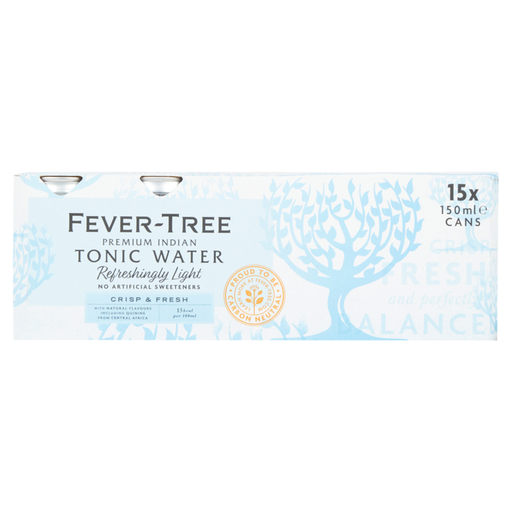
Fever-Tree Refreshingly Light Premium Indian Tonic Water, 15 × 150 ml
The 150 ml portions suit a separate small tonic serving. Check the exact variant’s carbohydrate, ingredients and allergen information on the pack before including a serving in any run plan; its light variant name does not establish a fuelling contribution.
View on Joybuy
 No image available
Fever-Tree Indian Tonic Water, 8 × 150 ml
This pack provides 150 ml tonic portions for a drink separate from training fuel. If you plan to drink one during a run, check the exact serving’s carbohydrate contribution and ingredients, and try it in ordinary training first.
View on Joybuy
 No image available
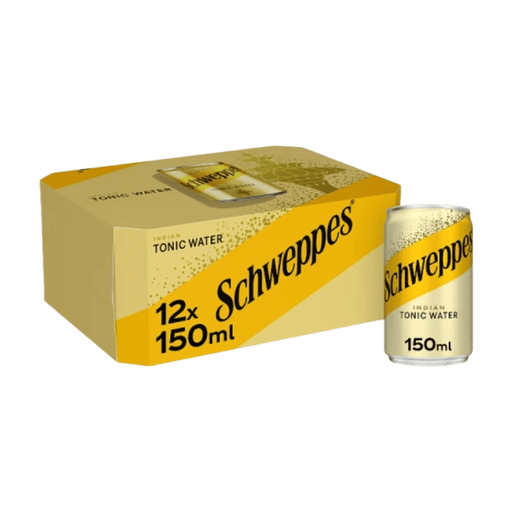
Schweppes Indian Tonic Water, 12 × 150 ml
The 150 ml format is a compact tonic serving when run fuelling is planned separately. Read the exact pack’s carbohydrate and sugar values, ingredients and allergens rather than treating its serving volume as a fuelling measure.
View on Joybuy
 No image available
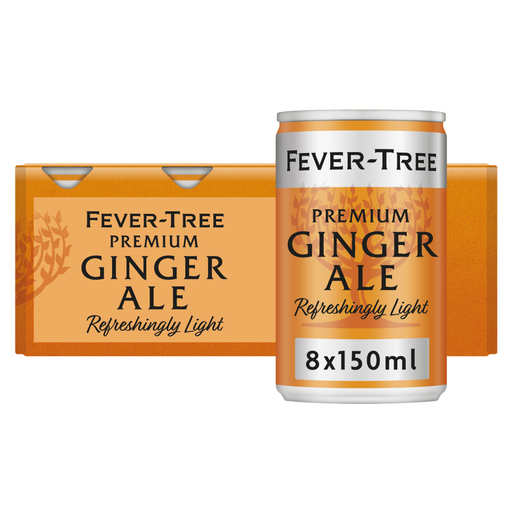
Fever-Tree Refreshingly Light Ginger Ale, 8 × 150 ml
These 150 ml ginger ale portions offer a small separate drink after training or socially. Check the light variant’s actual carbohydrate contribution and ingredients if it might form part of a run plan, and try the drink during training before an important run.
View on Joybuy
 No image available
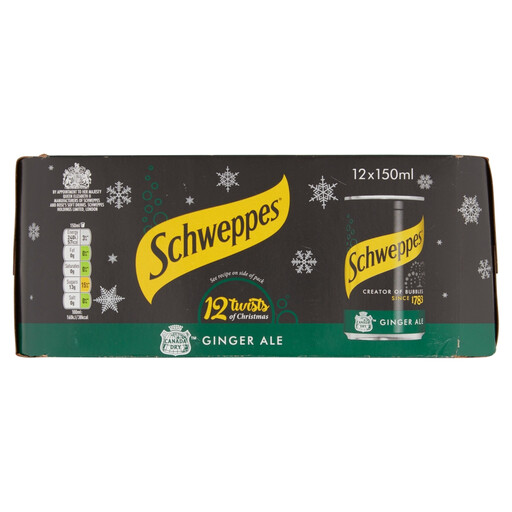
Canada Dry Ginger Ale, 12 × 150 ml
The 150 ml cans provide individual ginger ale servings for a drink separate from run fuelling. If you are considering one during training, check the carbohydrate content of a full can and its ingredients, then try that portion on an ordinary run.
View on Joybuy
Questions about mini mixers and training
Can a mini tonic replace a sports drink during marathon training?
Not on the basis of its size or mixer label. If a session calls for carbohydrate from a drink, check what the exact serving contributes and whether it fits your plan. The UK Sports Institute identifies a carbohydrate drink as one option when a runner has not eaten before running; that does not establish tonic as an equivalent.
Does carbonation automatically rule out a drink for a run?
Carbonation alone is not a sound substitute for checking the drink and trying it yourself. A 1992 study published in the International Journal of Sport Nutrition reported no significant change in gastrointestinal comfort or exercise performance with a carbonated carbohydrate test drink, but it did not establish individual marathon tolerance for commercial mixers.
What should I read on a mini mixer label?
Check the serving volume, carbohydrate and sugar information, ingredients, allergen information and date marking on the exact pack. If you intend to count the drink towards a run-fuelling plan, calculate the contribution of the whole portion rather than relying only on a per-100-ml figure.
Does a 150 ml or 200 ml pack count as a training-fuel serving?
Those volumes describe compact mixer formats, not a defined carbohydrate serving for marathon training. Tesco has listed 150 ml Fever-Tree and Schweppes tonic multipacks, and Fentimans announced a 200 ml mixer range in 2021. Check the particular drink’s label against your plan before treating its contents as fuel.


