What matters when choosing
Start with the lunches you make most often, then check whether the oven can accommodate your dishes and fit safely in its intended position. A hotplate-equipped oven answers a different need from extra oven cooking modes: it lets you plan a pan-based part of the meal alongside oven cooking.
| Concern | What to check | Who this matters to |
|---|
| Lunch cooking modes |
Match your usual lunches to the model’s bake, grill, reheat or air-fry-style modes; check separately for hotplates if you cook in a pan. |
If I alternate between toasted, baked and crisp lunches, I need modes that suit those foods rather than functions I will rarely use. Around 36% of consumers might put lunch-format versatility first. |
| Worktop fit |
Measure the available width, depth and height, including door-opening room, then follow the chosen model’s ventilation instructions. |
In a compact kitchen, I need the oven to fit with room for safe airflow, not merely fit within the edge of the counter. Roughly 29% of consumers might prioritise placement. |
| Meal capacity |
Compare cavity size, usable levels and the fit of your usual dish; check what trays or racks are supplied. |
When I make a main and side, or lunch for more than one person, avoiding separate batches matters most. About 21% of consumers might make meal capacity their primary concern. |
| Routine use |
Read the cleaning instructions and check removable parts, socket requirements and the precautions for hot surfaces. |
If I use the oven regularly, I need cleaning and electrical use to be manageable in my kitchen. Around 14% of consumers might put those practicalities first. |
Joybuy products for lunch preparation
These choices serve different lunch routines: a mini oven with hotplates for an oven dish and pan-based side, or an air-fryer oven for lunches where oven-style cooking and a crisp finish matter more. Check each model’s dimensions, ventilation instructions and usable cooking space against your kitchen and dishes.
 No image available
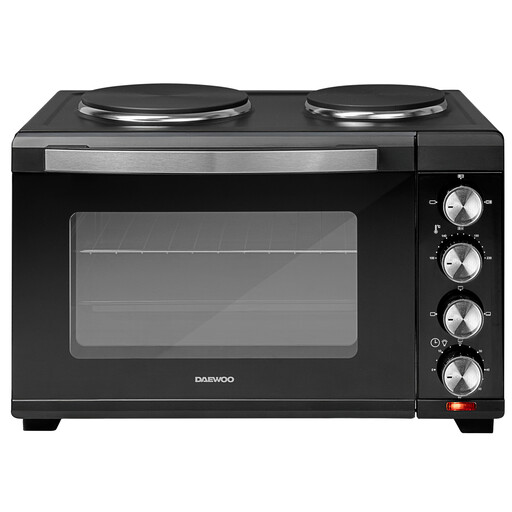
DAEWOO SDA1609GE 32L electric oven with dual hotplates
Consider this format if your lunch includes an oven dish and a pan-cooked side. The product name specifies a 32L cavity, dual hotplates and 3000W; check the model’s connection requirements and whether your intended dishes and installation space are suitable.
View on Joybuy
 No image available
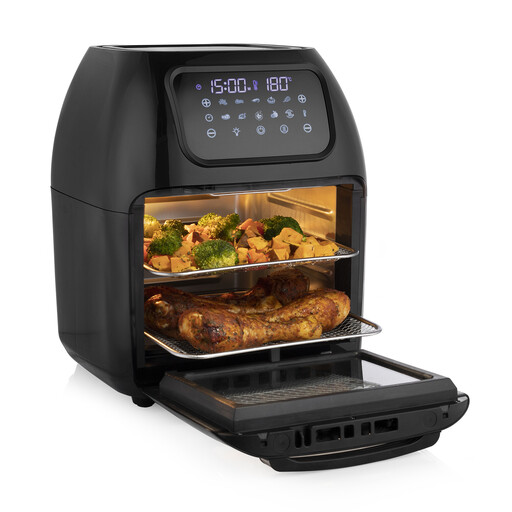
Tristar FR-6964 Multi Crispy 10L Air Fryer Oven
Consider this oven for lunches where a crisp finish or a choice of oven-style cooking modes is important. The product name specifies 1800W, 10 programmes, dishwasher-safe parts and a non-stick coating; check which parts can go in the dishwasher and whether your usual dish fits its usable cooking space.
View on Joybuy
Frequently asked questions
How much space should I leave around a mini oven?
Follow the clearance instructions for the exact oven you buy; there is no interchangeable figure for all models. The Russell Hobbs 22780 manual specifies at least 50 mm all round, while a Cookworks 23-litre mini-oven manual calls for at least 12 cm at the sides and 50 cm above. Use a stable, heat-resistant surface and check the manual before placing an oven near surrounding materials.
Can I plug a mini oven into a kitchen socket?
Check the chosen model’s supply and plug instructions and whether the intended socket is suitable. Electrical Safety First advises that a plugged oven or grill needs a UK three-pin plug and fuse, and warns against overloading an extension lead by sharing it with other large appliances.
Will I need an electrician to install a countertop mini oven?
A plug-in model may not need installation work: Russell Hobbs describes the 22780 as plugging in like a kettle or toaster. Requirements vary by appliance and electrical setup, so check the model instructions and consult a qualified electrician if you are unsure about the circuit or connection.
What product-safety information should I check when buying online?
Check the product documentation and instructions for the model and market where it will be supplied. The Office for Product Safety and Standards’ Great Britain guidance on the Electrical Equipment (Safety) Regulations 2016 describes requirements that apply before electrical equipment is placed on the GB market. Northern Ireland has different provisions under the Windsor Framework; buyers there should confirm the applicable documentation with the seller or manufacturer.
How should I clean a mini oven used regularly for lunch?
Let it cool fully, then follow its manual for cleaning the cavity and any removable trays, racks or crumb tray. Check which parts, if any, are dishwasher safe rather than assuming they all are. Electrical Safety First also advises checking plugs and sockets for warning signs such as burn marks; stop using the appliance and seek appropriate help if you notice abnormal heat, buzzing or repeated electrical trips.


