Family-batch roast cooks
If you want to spread squash wedges across a tray rather than cook several cramped batches, compare the supplied tray and internal space as well as the stated capacity.


Choose a mini oven by the usable tray area your squash wedges need, not its litre capacity alone. A compact conventional model may suit a smaller batch and limited worktop space; for a family tray, check whether a larger model actually provides enough room to spread the wedges out. Multifunction modes matter more if you will use them for other meals, but footprint, clearance and cleaning still need consideration.
If you want to spread squash wedges across a tray rather than cook several cramped batches, compare the supplied tray and internal space as well as the stated capacity.
An extra oven for occasional roasting needs to earn its worktop space. Balance the batch you can cook against the appliance’s external dimensions and required clearance.
If roasting squash is only one task, baking, air frying or cooking a side may make additional functions useful. Check whether the extra modes, space requirements and cleaning suit how you will use the oven.
Start with the tray area your meal needs, then check where the oven can sit safely. Compare additional cooking modes only if you expect to use them beyond this roast.
| Concern | What to check | Who this matters to |
|---|---|---|
| Family-batch tray space | Compare usable tray width and depth with the amount of squash you plan to roast; check which tray and rack are included. | I want to spread a family batch across the tray without relying on several cramped batches. Around 50% of consumers put that batch space first. |
| Worktop fit and roasting controls | Measure the intended space against the oven’s external dimensions and its own clearance instructions; check the temperature range and timer against your recipe. | In a small kitchen, I need an extra oven that fits where I can use it and has straightforward controls for roasting. This is the primary need for around 30% of consumers. |
| Use beyond one roast | Check the exact modes, rack positions, accessories and cleaning instructions if you also plan to bake, air fry or prepare sides. | If I will cook other parts of a meal in the appliance, those additional functions matter more than a simple roasting setup. Around 20% of consumers prioritise that flexibility. |
Capacity describes oven volume, not the flat tray area available for spreading wedges. The cited 20L Cookworks and 34L Cooks Professional models differ in capacity, but litres alone do not establish how much either can roast in one layer.
Check the usable dimensions of the supplied tray and the position of the rack before deciding how many batches you would need.
A tabletop oven needs room around it as specified for that model. The Tower T14045 instructions, for example, call for at least 20cm clearance on all sides; that figure should not be applied to every mini oven.
Measure the intended worktop position, including space beside and above the appliance, and follow the exact model’s instructions.
Electrical Safety First warns that ovens and grills can overload an extension lead when used with other large appliances, creating a fire risk.
Check the oven’s power requirements and the intended socket arrangement. If you are unsure whether the circuit is suitable, ask a qualified electrician.
The Cookworks 20L Mini Oven and Grill is a compact conventional option for buyers considering a modest roasting batch.
The cited 34L tabletop model is relevant when you are looking for a larger baking-tray format.
The Foodi 10-in-1 Multifunction Oven represents an option for cooks who expect to use modes and shelf positions beyond a conventional roast.
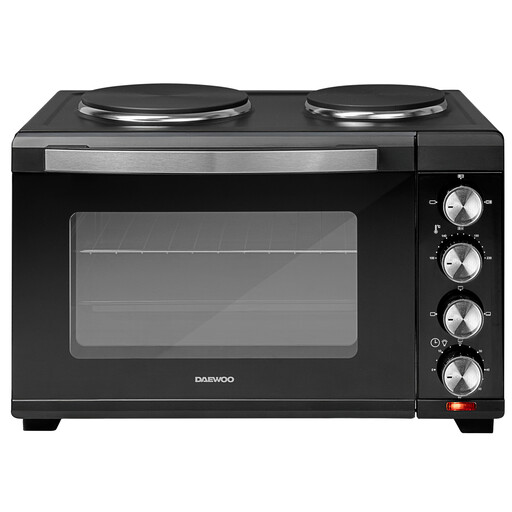
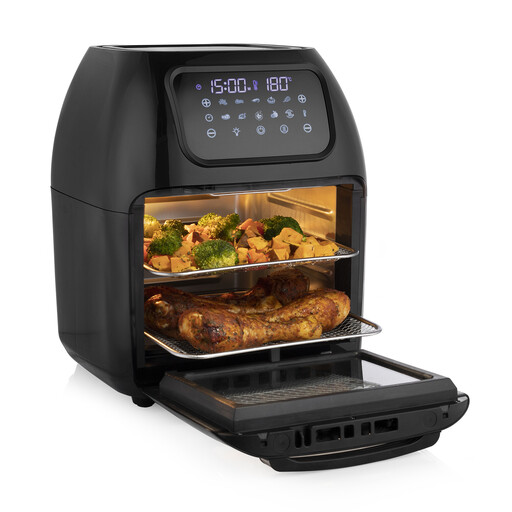
These choices cover a larger countertop oven with hotplates and a smaller multifunction air-fryer oven. For either one, confirm that its usable cooking surface fits the squash wedges you intend to roast; stated capacity cannot settle that question.
 No image available
Consider this format if you want a countertop oven for the squash and hotplates for other cooking tasks.
 No image available
This smaller-capacity multifunction format is worth considering if you will use an air-fryer oven for meals beyond squash wedges.
A 20L rating alone cannot tell you that. It describes cavity volume rather than usable tray area, so compare the tray dimensions with the amount of squash you want to spread out; a smaller tray may mean cooking in batches.
Use the clearance specified for the exact model. The Tower T14045 instructions call for at least 20cm on all sides, but other ovens may have different requirements; check the manual before deciding where yours will sit.
Check the appliance’s electrical requirements and the intended socket arrangement rather than assuming an extension lead is suitable. Electrical Safety First warns that ovens and grills may overload an extension lead when used with other large appliances; seek qualified advice if you are unsure about the circuit.
Check the plug, follow the manufacturer’s placement and operating instructions, and make sure the electrical setup is suitable. Electrical Safety First advises that a plug-in oven or grill should have a UK three-pin plug and fuse; it also recommends registering appliances so the manufacturer can contact owners about a fault or safety issue.