Small-kitchen picnic cooks
You are baking a modest batch at home and need to leave enough worktop room for the oven and the clearance specified in its manual. Check that its supplied tray, timer and temperature controls suit your recipe.


For a larger batch of onion wedges, consider a conventional 23–30L mini oven, but check the usable tray dimensions rather than relying on capacity alone. A smaller air-fryer oven is worth considering when worktop space and a bake setting matter more than fitting the whole batch at once. Plan to cook indoors and transport the food unless the picnic site and the appliance are suitable for outdoor electrical use.
You are baking a modest batch at home and need to leave enough worktop room for the oven and the clearance specified in its manual. Check that its supplied tray, timer and temperature controls suit your recipe.
You want to prepare more portions before setting off. The usable tray area and supplied rack matter alongside the stated oven capacity, particularly if cooking everything in one session is important to you.
You are thinking of taking an appliance to the venue. Before doing so, check the model instructions and whether the site can provide dry conditions, residual current device (RCD) protection and suitable outdoor electrical connections; a picnic spot should not be assumed to meet those conditions.
Decide how much you need to cook in one batch, then check recipe temperature and controls before planning where the oven will be used and how the food will travel.
| Concern | What to check | Who this matters to |
|---|---|---|
| Batch and tray space | Compare usable tray dimensions with your planned batch, and check which tray and rack are supplied. Allow for the model’s required worktop clearance. | If I am feeding a group, I want the wedges to fit on a usable tray without relying on several cooking sessions. Around 40% of consumers would put batch capacity first. |
| Temperature and controls | Match your recipe temperature to the model’s stated range; check for a bake setting and a suitable timer. | When I follow a particular recipe, I need an oven setting that can reach its specified temperature and run for the required time. Roasting control would come first for around 30% of consumers. |
| Cooking routine and clean-up | Check whether the available cooking functions suit your batch and how the removable cooking parts should be cleaned. | With little time between cooking and leaving, I value a manageable preparation and washing-up routine over fitting the largest batch. Around 20% of consumers would prioritise that routine. |
| Placement and transport | Read the model’s surface and ventilation instructions. If considering outdoor electrical use, check the site and equipment; plan cool storage for foods that normally need refrigeration. | If the picnic involves a journey or a proposed outdoor cooking set-up, I need a safe place for the appliance and a suitable way to carry the food. These would be the primary concerns for around 10% of consumers. |
A stated 12L, 20L or 30L capacity describes cavity volume, not the width and depth available for your wedges or roasting dish.
Use capacity to narrow your choices, then check supplied accessories, rack positions and internal or tray dimensions where available.
Russell Hobbs’ stated energy comparison for its 26680 uses a particular food load and cooking conditions; it does not establish the result for onion wedges or for repeated batches.
Consider whether your planned portion fits in one session rather than treating a model-specific comparison as a result for your recipe.
Moisture, unsuitable connections and a hot appliance complicate outdoor use. The Russell Hobbs 26680 manual also specifies ventilation clearance for that model.
Cook indoors unless the appliance instructions and site permit a suitable outdoor set-up. Electrical Safety First advises using RCD protection and outdoor-suitable leads and connectors when electrical equipment is used outside.
Foods that normally require refrigeration still need appropriate cool storage during a picnic; baking the wedges does not settle how other picnic dishes should be carried.
Pack refrigerated foods in a cool bag or box and keep it shaded, following food-safety guidance for the picnic location.
Its 26680 is a 20L mini oven with Air Fry and Bake functions; its 22780 Mini Kitchen is a 30L fan-assisted countertop oven with hotplates.
The T14043 is a conventional, dial-controlled 23L mini oven with baking, grilling and toasting functions.
The 210838 is a compact 12L air-fryer oven with a basket, shelf and tray.
These compact air-fryer and oven-style appliances are options to check for baking a picnic batch at home. Compare their usable cooking areas and controls with your recipe; their stated capacities alone cannot establish how many wedges will fit.
 No image available
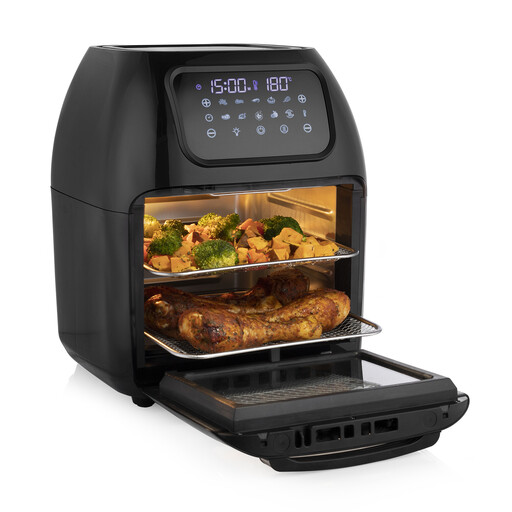
Consider this air-fryer oven for a smaller batch, provided its usable cooking area fits the wedges you plan to make.
The product title specifies 1800W, touch-screen controls, 10 programmes and dishwasher-safe parts. Check its temperature settings against your recipe.
 No image available
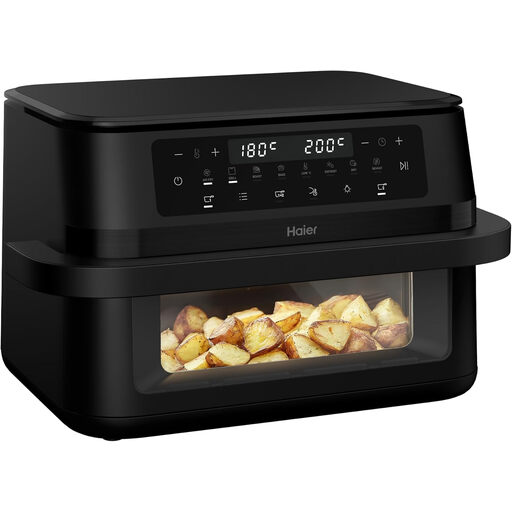
The listed Bake function makes this a compact option to consider for wedges; check the usable basket area against your batch.
The product title also lists a removable divider, viewing window and Sync function. Check the cooking temperature required by your recipe before choosing it.
 No image available
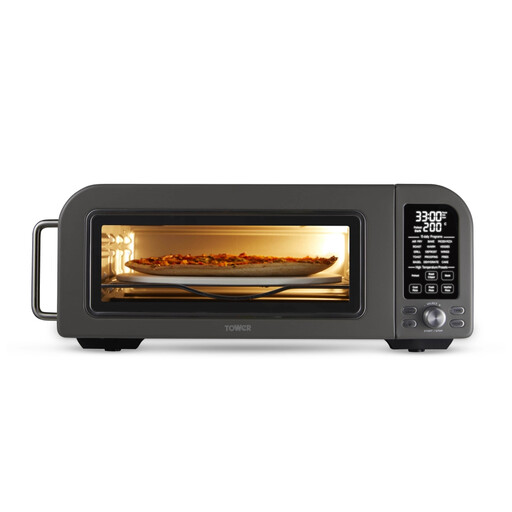
Consider this oven-style appliance only after checking that its controls and supplied cooking surface suit your onion-wedge recipe.
The product title specifies 2000W and 15 cooking functions. Its pizza-oven designation does not, by itself, establish the temperature adjustment or tray space you need for this batch.
Plan to bake at home unless the oven instructions and the site support a suitable outdoor electrical set-up. Electrical Safety First advises dry conditions, RCD protection and outdoor-suitable extension equipment; follow the exact appliance manual as well.
Follow the clearance stated in the exact model’s manual. For instance, the Russell Hobbs 26680 manual specifies 150mm around the appliance for airflow, calls for a stable, level, heat-resistant surface and warns that its surfaces become hot.
A 200°C maximum suits a recipe calling for 200°C or less, provided the oven has appropriate cooking controls and enough usable space for your batch. Haden specifies that maximum for its 12L model; compare any recipe with the settings of the particular appliance you intend to buy.
Keep foods that normally require refrigeration cool during transport and at the picnic. The Food Standards Agency advises keeping a cool box out of direct sunlight, while Food Standards Scotland advises a cool bag or box with ice or frozen packs; follow guidance applicable to where you are picnicking.