Mac-based field-recording editors
If your editing workflow is on macOS, a Mac mini keeps that operating-system route in a compact desktop. Check your DAW release, plug-ins and audio interface against the macOS version you plan to use.


Choose a mini PC around the audio software and interface you already use: a Mac mini suits a compatible macOS workflow, while a Windows model suits Windows tools and may offer replaceable memory or storage, depending on the model. Check your exact DAW, plug-ins and interface against the operating system before comparing memory, project storage and the ports your small desk setup needs.
If your editing workflow is on macOS, a Mac mini keeps that operating-system route in a compact desktop. Check your DAW release, plug-ins and audio interface against the macOS version you plan to use.
If your audio tools run on Windows and you expect your sessions or project library to grow, look at the installed memory and storage as well as whether the exact mini PC permits later upgrades.
If an interface, display and external project drive must share a small workspace, check where the computer and cables will sit and whether its ports accommodate those devices.
Settle the operating-system and interface question before choosing a memory and storage configuration; then check that the connections work in the space available.
| Concern | Buying checks | Who this matters to |
|---|---|---|
| Software and interface compatibility | Check the exact DAW and plug-in releases against the operating system, then confirm the interface model, driver and connection. | If my familiar editing tools or interface cannot run on the new computer, its other specifications will not solve the problem. Around 36% of consumers put this compatibility need first. |
| Desk space and connections | Plan connections for the interface, display and external drive; check the exact model’s ports and where its cables will go. | On a small desk, I need to keep the devices I use connected without letting cables take over the workspace. For around 29% of consumers, that layout is the primary concern. |
| Memory and session demands | Compare installed memory with your DAW’s requirements and check upgrade options for the exact configuration. Avid specifies 16GB RAM for current Pro Tools requirements. | If my sessions use more tracks, processing or plug-ins, I want a memory configuration that fits that work rather than assuming a processor name tells the whole story. This is the first concern for around 21% of consumers. |
| Project storage | Check installed SSD capacity and your plan for active projects and backups. Avid also specifies dedicated audio record and playback drives for Pro Tools. | I need room for original recordings, edits and exports, with a workable place to keep backups. Around 14% of consumers place that storage plan first. |
A processor specification does not establish that your DAW, plug-ins or audio-interface driver will work with the chosen operating system.
Write down the versions and interface model you use, then check their compatibility and the mini PC’s connections before ordering.
A different connection may call for an adaptor or hub, provided the interface itself remains compatible.
Original recordings, edited sessions, exports and backups all need space. For Pro Tools, Avid specifies 15GB free for installation and one or more drives dedicated to audio recording and playback.
Estimate the space your active projects need and check the exact model’s internal or external drive options.
Your workflow may also need an external project or backup drive.
ASUS NUC 14 Pro and GEEKOM IT13 configurations differ in installed memory, storage and other components; a range specification does not describe every unit.
Check the selected product’s installed components, operating system and included accessories rather than relying on the product-line page.
A manufacturer’s cooling description does not establish how distracting a particular configuration’s fan will be beside your editing or recording setup.
If noise near your microphones or monitors matters, look for acoustic testing of the exact model and check the retailer’s applicable return conditions.
Mac mini is a compact macOS route for editors already using Mac-compatible audio software.
The NUC 14 Pro line offers a compact Windows mini-PC route for editors interested in configurable hardware.
The IT13 Max line offers preconfigured mini PCs with several memory and SSD options.
These compact desktop choices include a Mac mini, SOYO mini PCs for Windows-oriented setups and an ASUS desktop running NVIDIA DGX OS. Start with the operating system your audio workflow requires; the DGX OS model calls for a separate check of software and interface support.
 No image available
Consider this compact Mac route if your DAW, plug-ins and interface support the macOS version you intend to use.
The listed configuration has an M6 chip with a 12-core CPU and 12-core GPU, 16GB memory and a 256GB SSD. Check whether that storage capacity fits your project and backup plan.
 No image available
This mini PC is worth considering for a Windows-based editing setup if your interface and software support its operating-system configuration.
The title lists 24GB LPDDR5 memory, a 512GB PCIe 3.0 SSD and six USB 3.2 ports. Check how you will connect your particular interface, display and project drive.
 No image available
This Windows 11 Pro mini PC is an option when your audio software and interface support that operating system.
Its listed configuration has 16GB LPDDR5 memory and a 512GB NVMe SSD. Avid specifies 16GB RAM for current Pro Tools requirements, but you should still assess storage and memory against your own sessions.
 No image available
Consider this Windows 11 mini PC if your editing tools and audio-interface driver support that system.
The title specifies 16GB LPDDR4 memory and a 512GB SSD. Plan where original recordings and backups will go, and check the connections your desk setup requires.
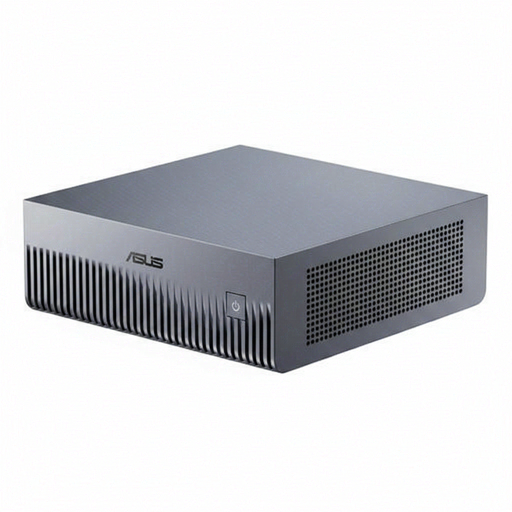 No image available
This AI-focused desktop is a conditional choice for audio editing: establish that your DAW, plug-ins and interface work with NVIDIA DGX OS before considering its hardware.
The title lists 128GB unified memory and a 1TB NVMe SSD. Cockos’s general Linux support for REAPER does not, by itself, establish support for this specific operating-system and interface combination.
Avid specifies 16GB RAM for computers using the current Pro Tools requirements, but that figure does not establish how every larger session or plug-in-heavy workflow will perform. Check your DAW and plug-in requirements alongside the size of the projects you expect to edit.
You can use it if the precise interface supports the mini PC’s operating system and connection method. Check the interface manufacturer’s compatibility and driver information for your model; Focusrite, for example, organises its guidance by product and operating system.
For the Pro Tools setup addressed by Avid’s current requirements, plan for one or more drives dedicated to audio recording and playback, as well as 15GB free for installation. For another DAW, check its requirements and work out where active recordings and backups will be stored.
Ask the retailer how its electrical-equipment take-back arrangement works for your purchase. GOV.UK guidance says distributors must offer take-back of waste equipment of the same type when a customer buys a replacement; confirm the practical arrangements with the retailer, particularly for an online order.