What to check before buying
For learning Linux on a small desk, start with the installation route you are willing to manage, then check how the computer will fit and connect; size memory and storage for the work you actually plan to do.
Linux-preinstalled mini PC
Consider it when: you want to start learning without installing the operating system first. System76 offers the Meerkat with Pop!_OS 24.04 LTS or Ubuntu 24.04 LTS.
Check before ordering: confirm UK supply arrangements, the power connection and the applicable warranty and returns terms.
Validated ASUS NUC model
Consider it when: you are willing to install Linux and want model-specific support information. ASUS states that NUC14MNK has been validated for Ubuntu 24.04 LTS and Red Hat Enterprise Linux.
Bear in mind: ASUS limits Linux validation to selected models and distributions, describes support as best-effort and has documented a NUC14MNK networking issue with Ubuntu 24.04.
Configurable business micro desktop
Consider it when: memory and storage configuration matter for your planned local labs. Dell lists DDR5 memory and SSD choices for its Pro Micro Plus QBM1250.
Check before choosing: confirm the operating system supplied and whether Linux support or certification applies to the exact hardware configuration.
| Concern |
What to check |
Who this matters to |
| Linux compatibility and setup |
Match the full model and hardware configuration to your intended distribution and release; check networking and any vendor-listed limitations. |
If I am learning Linux for the first time, I want the installation and network connection to work without becoming the whole project. Around 42% of consumers put that low-friction start first. |
| Desk space and connections |
Allow room for cables and the power supply; confirm monitor inputs, USB connections and any mounting requirements. |
On a small desk, I need room for my screen and peripherals without making essential ports awkward to reach. For around 33% of consumers, desk integration is the primary concern. |
| Capacity for local labs |
Check installed and expandable RAM, SSD capacity and whether a kit includes memory and storage. |
If I expect to run virtual machines or containers locally, I need to plan beyond a basic desktop installation. Local-lab capacity comes first for around 25% of consumers. |
Joybuy products related to this topic
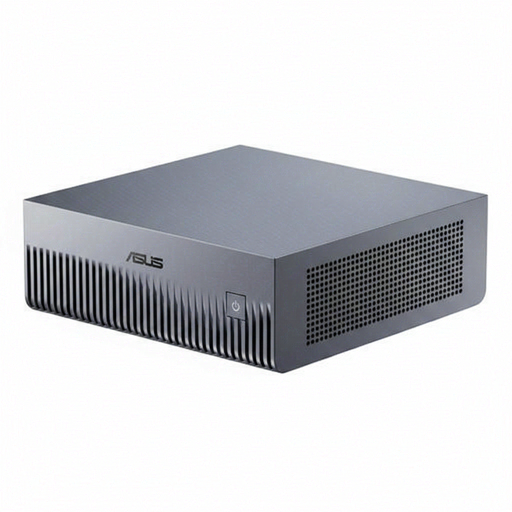
This compact, Linux-running desktop is aimed at AI development. If your aim is introductory Linux coursework, check whether NVIDIA DGX OS supports the distribution, software and desktop tasks you intend to use before treating it as a learning PC.
 No image available
ASUS Ascent GX10 with NVIDIA GB10 Grace Blackwell, 128GB memory and 1TB SSD
Consider this AI-focused Linux system only if NVIDIA DGX OS fits the Linux tasks you plan to learn. Its listed configuration includes 128GB unified memory and a 1TB NVMe SSD; check software compatibility, memory-upgrade needs and the required power-supply arrangement before buying.
View on Joybuy
Frequently asked questions
Should I buy a mini PC with Linux already installed?
A Linux-preinstalled mini PC suits you if avoiding the initial OS installation is your priority. If you want to install Linux yourself, a kit or another configuration can also work, provided you check support for its exact hardware and your intended distribution first.
How much RAM and storage do I need to start learning Linux?
For Linux Mint 22.3 desktop use, Linux Mint lists minimums of 2GB RAM and 20GB storage, and recommends 4GB RAM and 100GB storage for comfortable use. Those figures do not size a virtual-machine or container lab, so plan separately for any local workloads you expect to add.
What should I check if a mini PC is sold as a kit?
Check whether the exact listing includes RAM, SSD storage, an operating system and the power and peripheral connections you need. ASUS notes that some NUC installations require memory and a drive purchased separately; do not assume every NUC is supplied the same way.
How should I dispose of a mini PC at the end of its life?
Use an appropriate electrical-equipment collection or recycling route rather than treating the computer as ordinary household waste. GOV.UK explains that UK waste electrical and electronic equipment rules aim to reduce equipment sent to landfill or incineration; ask your retailer or local authority which collection route applies to you.


