For a workstation that mainly opens remote logs through a terminal or browser, start with a compact, configured mini PC with 8GB RAM, an SSD and wired Ethernet. If you will retain or index logs locally, run containers or use several analysis tools at once, give more weight to memory, storage and expansion; whichever route you take, count the sockets needed by the monitor and network equipment as well as the computer.
Who needs which setup?
Remote-log viewers with one spare socket
If you mainly use SSH, a browser dashboard or remote desktop to read logs stored elsewhere, focus on a wired connection and ports that fit your existing display and input devices. A small SSD can serve a different purpose from storage intended for a local log archive.
Local log-analysis and retention users
If you download logs, build indexes or run containers on the mini PC, plan its memory and storage around those tasks. An upgradeable system is worth considering when your retention period or tools may change.
Multi-tool operations users
If log inspection runs alongside several dashboards, displays or local development tools, check the complete memory, storage and connection configuration. A processor specification alone will not tell you how your particular tools will perform.
What matters when choosing?
Decide first whether the computer will only display logs held elsewhere or process and retain them locally; then check every mains-powered part of the workstation.
Configured remote-viewing mini PC
Choose when: SSH sessions and dashboards do most of the work, while logs stay on another server.
Trade-off: An 8GB RAM and 256GB SSD configuration leaves less room for local archives, indexes and containers.
Upgradeable barebone kit
Choose when: You want to select memory and storage for local analysis that may grow.
Trade-off: The ASUS NUC 14 Pro Kit requires buyer-supplied memory, storage and an operating system, plus installation work.
Configured system for concurrent work
Choose when: Local processing and several monitoring views are part of the same workstation.
Trade-off: Check the exact software and firmware requirements rather than assuming additional hardware capacity is useful for remote viewing alone.
| Concern |
What to check |
Who this matters to |
| Socket space and clutter |
Confirm the supplied UK mains lead and count the monitor, switch and any powered accessories. |
If I only need a terminal or dashboard for logs held elsewhere, I want a compact setup without unnecessary powered extras. Around 36% of consumers put this need first. |
| Local memory and storage |
Decide whether logs will be retained or indexed locally; check installed RAM, SSD capacity and expansion options. |
When I keep logs on this computer or run containers, I need room for the files and tools to grow. Roughly 29% of consumers prioritise that local capacity. |
| Network and displays |
Match the Ethernet port and display outputs to your switch, monitors and cables. |
For remote inspection, I need a dependable wired connection and enough usable screen connections for my workflow. Around 21% of consumers make connectivity their primary concern. |
| Concurrent analysis |
Check the configuration and operating-system support against the local tools you intend to run. |
If I parse logs while several other tools are open, I need capacity for those tasks rather than a viewing-only machine. About 14% of consumers put concurrent analysis first. |
Buying pitfalls
-
Assuming a small computer makes a one-socket workstation
The mini PC still needs power, and a monitor or network switch may need its own socket.
Sketch the complete setup before buying. Check whether the computer's display and USB ports fit equipment you already have, without counting those ports as a replacement for a monitor's power connection.
-
Treating a barebone kit as ready to use
A kit such as the ASUS NUC 14 Pro does not include memory, storage or an operating system.
Choose the RAM, SSD and operating system you need, and allow time to install and configure them before putting the workstation into service.
-
Sizing storage only for the operating system
Ubuntu Server documentation suggests at least 3GB RAM and 25GB storage, but those figures do not size a machine for retained logs, indexes or containers.
If logs will remain remote, size the computer for your viewing tools. If they will be stored locally, estimate the amount you intend to retain and check the available storage and memory expansion.
-
Taking product claims as a test of your workload
Listed interfaces and configurations help narrow a choice, but they do not establish performance or reliability for your particular log tools. Beelink's July 2026 notice also describes a Windows and AMD-driver compatibility issue for specified SER8 variants, not a fault rate for every use.
Check your tools against the exact operating system and model. For a SER8 8745HS or 8845HS running Windows, consult Beelink's current BIOS guidance before deployment.
Brands to consider
GEEKOM
Its Mini Air12 Lite line is relevant to a workstation used mainly for remote log viewing.
- GEEKOM lists an Air12 Lite configuration with an Intel N95 15W processor design, 8GB RAM, 256GB storage and Linux compatibility. The processor figure is not measured power use for the complete computer.
- Plan separately for local indexes, containers or large archives; the listed entry configuration is not a capacity plan for those tasks.
ASUS
The NUC 14 Pro Kit offers a configurable route for local analysis and wired networking.
- ASUS Store UK lists up to 48GB DDR5 support and 2.5GbE for the specified Core 3 kit.
- This barebone ships without memory, storage or an operating system; check the exact kit and power-lead configuration before planning a deployment.
Beelink
The SER8 8745HS line is a configured option to examine when local workloads and multiple displays matter.
- Beelink UK lists 16GB/512GB and 32GB/1TB configurations, dual M.2 storage support and three display outputs for the SER8 8745HS.
- Beelink issued a July 2026 BIOS-update notice concerning reported problems after Windows or official AMD-driver updates on SER8 8745HS and 8845HS units. Check the guidance for the exact system before Windows deployment.
Compact computers on Joybuy
These compact desktops include configurations for remote viewing and local work, alongside a specialised AI system. Match the operating system, wired connection and complete power setup to your log-inspection tools before choosing.
 No image available
Apple Mac mini (2026), M6, 16GB, 256GB SSD, Silver
Consider this compact desktop for a log-viewing setup if its software and connections match your existing workflow.
The listed M6 configuration has a 12-core CPU, 12-core GPU, 16GB memory and a 256GB SSD.
Check the wired-network connection, required monitor and input devices, supplied UK power connection and whole-system power needs for your setup.
View on Joybuy
 No image available
Apple Mac mini (2026), M6, 24GB, 512GB SSD, Silver
Consider the larger listed memory and SSD configuration if your log tools will run locally.
This M6 variant specifies a 12-core CPU, 12-core GPU, 24GB RAM and a 512GB SSD.
Check software and wired-network requirements, the UK power connection and the sockets needed for a separate display, keyboard and mouse.
View on Joybuy
 No image available
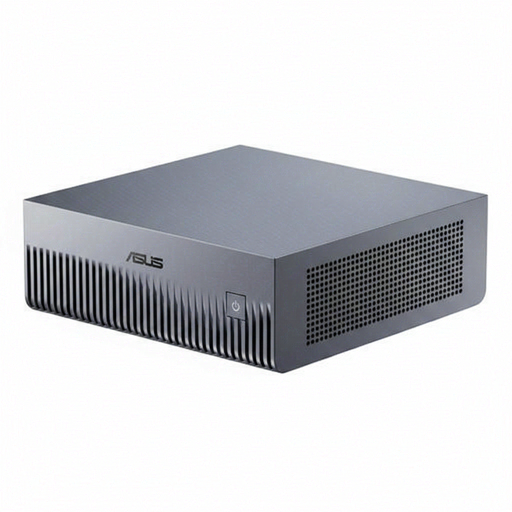
ASUS Ascent GX10, NVIDIA GB10, 128GB, 1TB SSD
Consider this specialised AI desktop only if its operating environment also supports the log-inspection tools you intend to use.
The listed configuration has NVIDIA GB10 Grace Blackwell, 128GB unified memory, a 1TB NVMe SSD and NVIDIA DGX OS.
Check tool compatibility and the supplied power arrangement for the exact unit before planning it as an operations workstation.
View on Joybuy
 No image available
SOYO Y5Pro mini PC, Windows 11, 8GB, 256GB SSD
Consider this configuration for viewing remote logs if its connections suit your monitor and network.
The title lists 8GB DDR4 RAM, a 256GB SATA SSD and Windows 11, but gives the processor as Intel Core i5 8250U/8350U rather than one confirmed variant.
Confirm the processor, wired-network connection, supplied UK power lead and whole-system power needs before buying.
View on Joybuy
 No image available
FIREBAT A8, Ryzen AI 9 365, 24GB DDR5, 1TB SSD
Consider this mini PC for local tools or multiple screens after checking how it will connect to your log source.
The title specifies a 1TB PCIe 4.0 SSD, Radeon 880M graphics, USB4, OCuLink and quad-4K display support.
Confirm wired Ethernet, the installed operating system, the supplied UK power connection and whole-system power needs for your setup.
View on Joybuy
Frequently asked questions
Is 8GB RAM and a 256GB SSD enough to inspect server logs?
It can suit a dedicated workstation that views logs held on another server through SSH, a dashboard or remote desktop. Ubuntu Server documentation suggests at least 3GB RAM and 25GB storage for the operating system, but those figures do not size local log archives, indexes or containers.
When does a barebone mini PC make sense?
A barebone makes sense if you want to choose and install components for local analysis or future expansion. The specified ASUS NUC 14 Pro Kit supports up to 48GB DDR5 but ships without memory, storage or an operating system, so plan the complete configuration before deployment.
Will a mini PC make the workstation a one-socket setup?
Not necessarily: the computer needs power, and your monitor, network switch or other powered equipment may need separate sockets. Count the complete workstation rather than judging socket use by chassis size.
What plug should I check for a UK setup?
Check the mains lead or adapter supplied with the exact product variant and whether it suits your UK socket. The British Standards Institution describes BS 1363 as the standard covering the UK national 13A plug and socket-outlet system; do not assume a suitable lead is included merely because a computer is listed for sale online.
Does a Beelink SER8 need a firmware check before use?
For a SER8 8745HS or 8845HS running Windows, check Beelink's BIOS guidance before relying on it for operations work. Beelink's July 2026 notice describes reported freezes, stuttering or reboots after Windows or official AMD-driver updates and directs affected users to a BIOS update; it does not establish a Linux issue or a fault rate for every unit.


