Batch-focused bake-sale organisers
If several mini pizzas must be ready together, usable tray area, shelf positions and the time taken to load each batch matter more than a single-pizza bake-time claim.


If mini pizzas need to come out in tray-sized batches, start with a multi-shelf electric oven and check how many trays the exact model can use at once. An indoor countertop pizza oven suits smaller, sequential runs, while an outdoor pizza oven needs a suitable venue and service setup; plan allergen information and safe serving separately.
If several mini pizzas must be ready together, usable tray area, shelf positions and the time taken to load each batch matter more than a single-pizza bake-time claim.
An indoor electric setup avoids relying on an outdoor cooking area. Check whether its cooking surface and loading routine can keep pace with the sale.
Choosing the oven is only part of serving mini pizzas. Ingredient and allergen information, the timing of service and any hot-holding arrangements need their own plan.
Choose when: mini pizzas will be prepared on trays in an indoor kitchen.
Allow for: a built-in model needs a suitable kitchen space, and its shelf positions do not establish how many trays can bake together.
Choose when: indoor operation and individual, pizza-focused bakes matter more than tray-based production.
Allow for: repeated loading may create a queue even when an individual pizza cooks quickly.
Choose when: the venue permits outdoor cooking and the team can manage fuel and live service.
Allow for: weather, placement, transport and storage as well as the cooking workflow.
| Concern | What to check | Who this matters to |
|---|---|---|
| Batch capacity | Measure usable tray or cooking-surface area; check the number of shelves the model permits you to use together. | If I need several mini pizzas ready at once, I want a batch size I can repeat throughout the sale. Around 42% of consumers put batch capacity first. |
| Indoor pizza baking | Confirm indoor-use instructions, counter clearances and how the mini pizzas would be loaded. | When cooking must stay indoors, I need an electric setup whose loading routine fits the space. For around 33% of consumers, that indoor workflow is the main concern. |
| Serving arrangements | Decide whether pizzas will be served straight away or held hot, and prepare ingredient and allergen information for the way they will be sold. | If pizzas will wait before sale, I need a workable serving and hot-holding plan, not just an oven. Safe service comes first for around 25% of consumers. |
A stated time for one pizza does not tell you how many mini pizzas fit on the cooking surface or how long repeated loading takes. Ooni describes Volt 2 as a 12-inch oven, while the Hisense Hi6 BID914221CX has five shelf positions in its main cavity; neither detail alone establishes your completed batches.
Work out how many pizzas fit on the actual tray or deck, then run through a full batch cycle using your intended pizza size.
A small cooking surface may call for more loading time, additional trays or another oven to meet the planned volume.
Food Standards Agency catering guidance says hot food being held for service should be kept at 63°C or above, subject to its stated exceptions. Cooking and holding are separate tasks.
Plan to serve pizzas promptly or arrange suitable hot-holding equipment and temperature checks.
Holding food for service may require separate equipment and a thermometer.
For England, Wales and Northern Ireland, GOV.UK guidance says a local authority may decide that very limited and infrequent food activity does not need registration. That is not an automatic exemption for every sale.
Ask the relevant local authority about the event and prepare an ingredient and allergen list that fits how the pizzas will be offered.
An outdoor pizza-oven format brings placement, fuel handling and weather into the service plan. A larger cooking area is useful only if the team can use it at the event.
Confirm where the oven may operate, how it will be transported and stored, and whether its cooking surface fits the intended mini pizzas.
A stand, fuel supply, weather protection or extra carrying arrangements may also be needed.
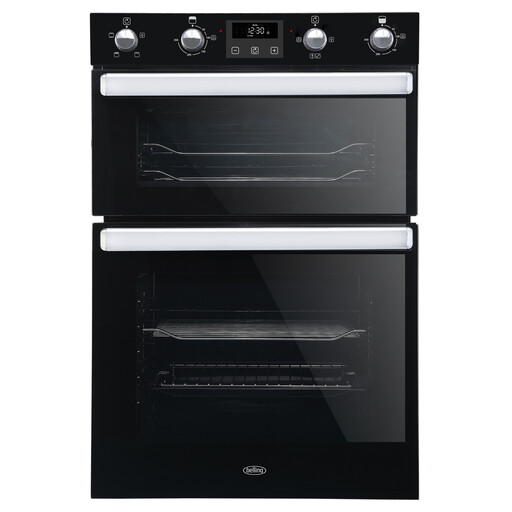
The Hi6 BID914221CX provides a built-in double-oven example for comparing tray-based batch layouts.
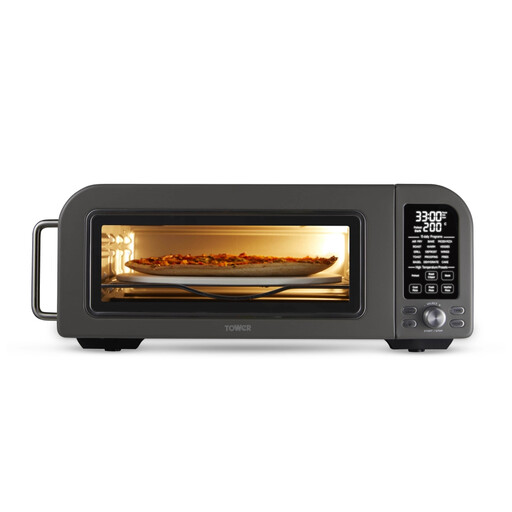
Volt 2 is an indoor electric pizza-oven example for an individual-pizza workflow.
The Smart Oven Pizzaiolo represents an indoor countertop route with pizza-focused controls.
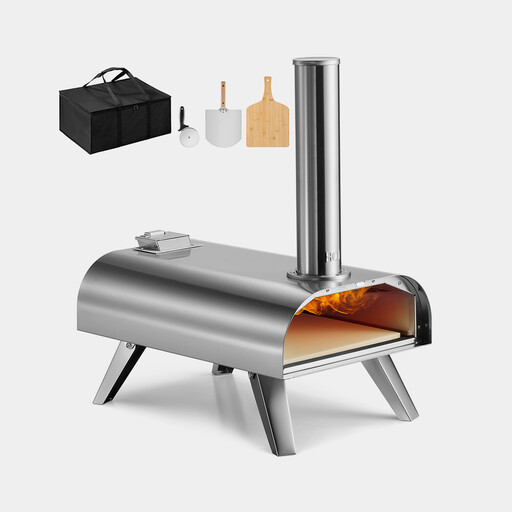
Arc XL and Dome XL (Gen 2) illustrate outdoor pizza-oven formats to consider when the venue supports outdoor cooking.
These choices cover built-in double ovens for kitchen-based baking, an electric pizza oven and an outdoor pizza oven. Compare usable batch size and venue requirements before choosing between the formats.
 No image available
Consider this kitchen-based format if you plan to bake mini pizzas on trays. Check housing fit, electrical installation, tray size and simultaneous-shelf instructions before relying on it for a particular batch quantity.
 No image available
A double-oven format is relevant if mini pizzas will be prepared in an indoor kitchen. Confirm the built-in space, electrical provision and usable tray area, then check the model instructions for multi-level baking.
 No image available
This is another built-in option for a kitchen-based, tray-baking plan. Check the required housing and connection, the trays that fit and whether the intended shelves can be used together.
 No image available
Consider a pizza-focused electric format if sequential loads suit the sale. The product name specifies five high-temperature programmes and 15 cooking functions; check indoor-use instructions, clearances and how many mini pizzas fit on the usable cooking surface.
 No image available
Consider this outdoor format only if the venue can accommodate its operation. Confirm permitted placement, fuel and fire arrangements, the accessories supplied and the number of mini pizzas that fit per load.
Not necessarily. For England, Wales and Northern Ireland, GOV.UK guidance says the local authority may decide that registration is unnecessary for very limited and infrequent food activity; ask the relevant authority about your event rather than assuming it is exempt.
Prepare an accurate ingredient and allergen list for the pizzas you intend to sell. In England, Wales and Northern Ireland, the information requirements depend on how the food is packaged and sold and whether the activity is registered; check the arrangements for your event with the relevant local authority.
Yes, if you have a suitable plan for holding them safely until service. Food Standards Agency catering guidance says hot food should be held at 63°C or above, subject to its stated exceptions; arrange appropriate holding equipment and temperature checks rather than treating cooking time as the whole serving plan.
No: an outdoor oven is an option only if the venue permits its placement and operation. Confirm the venue rules and practical arrangements for fuel, fire precautions, weather and serving before choosing that route.