What should you check?
Choose the way the dessert will be eaten, then check the exact flavour and its texture rather than relying on a format name such as ‘mini’.
Mini cups
Choose when: A spoon-served individual portion is easier for the eater to manage than a coated stick.
Bear in mind: A cup can still contain hard mix-ins and does not establish suitability for a prescribed texture or fluid consistency.
Sticks and mini sticks
Choose when: The eater wants a hand-held portion and can comfortably manage the particular stick and coating.
Bear in mind: Asda describes a Magnum mini variant with a cracking chocolate coating and almonds; small size alone says little about chewing effort.
Ice lollies and freeze pops
Choose when: An ordinary eater prefers an individually portioned frozen lolly or squeeze pop.
Bear in mind: For someone following swallowing advice, check how the actual dessert changes as it warms rather than assuming its frozen texture will remain the same.
| Priority | What to check | Your needs |
|---|
| Texture |
Check coatings, nuts and crunchy pieces in the exact flavour. For a prescribed diet, follow the individual texture and fluid guidance and assess the dessert at its intended serving temperature, as IDDSI advises. |
I would find a coating or hard pieces difficult to manage, or I need to follow an assessed swallowing plan. |
| Serving format |
Compare spoon-served cups with hand-held sticks or squeeze pops. Check portion size and pack count: Tesco lists Häagen-Dazs mini cups at 4 × 95 ml, while Waitrose lists Magnum mini sticks at 6 × 55 ml. |
A spoon would be easier for me to use, or I would prefer one hand-held portion without serving from a tub. |
| Ingredients and allergens |
Read the current pack for every flavour in a mixed multipack, including inclusions and allergen statements. Häagen-Dazs advises checking the physical pack because online information can change. |
Before serving, I need to know what is in the particular flavour, not just what the multipack is called. |
| Melting |
Consider the dessert at the temperature at which it will be eaten and as it melts. IDDSI notes that ice cream can quickly become liquid in the mouth, which matters when fluid consistency is prescribed. |
The way a frozen dessert changes while I eat it matters more than how firm it looks straight from the freezer. |
Brands and retailer ranges
These ranges are useful places to compare formats; a brand or retailer name does not establish the texture of an individual flavour.
M&S
M&S lists sticks, lollies, tubs, minis and bites in its ice-cream range.
- Useful for comparing hand-held portions with other frozen-dessert formats.
- Select a local Foodhall to check stock for a particular product.
Waitrose
Waitrose lists standard and mini sticks alongside lollies and multipacks.
- Its listings distinguish formats and portion sizes, including 55 ml mini sticks and 100 ml sticks.
- Check each coating and inclusion; a mini stick is not automatically easy to chew.
Tesco
Tesco groups mini ice-cream sticks and pots in one category.
- The range includes mini sticks and Häagen-Dazs 95 ml mini cups for comparing serving formats.
- Check the particular flavour rather than assuming all items in the category have the same texture.
Sainsbury's
Sainsbury's separates sticks and bars, tubs, lollies, minis and bites within its ice-cream categories.
- The category layout lets shoppers start with the format they can manage.
- Category placement does not establish the texture or ingredients of an individual product.
Asda
Asda lists individual multipacks within its cones, sticks and bars category.
- Its Magnum mini listing describes the coating and identifies an almond-containing variant.
- Check every variant in a mixed pack; a shared pack name does not mean identical ingredients.
Häagen-Dazs
Häagen-Dazs offers mini-cup multipacks for individual spoon-served portions.
- A cup avoids the stick and coating of a coated ice-cream bar.
- The brand directs shoppers to the physical pack for current ingredients, nutrition and allergen information.
Individual frozen desserts on Joybuy
These are individually portioned ice bars and freeze pops for shoppers considering a hand-held or squeeze format. Check the exact product’s texture and ingredients; none should be selected for a prescribed swallowing plan on the basis of its format alone.
 No image available
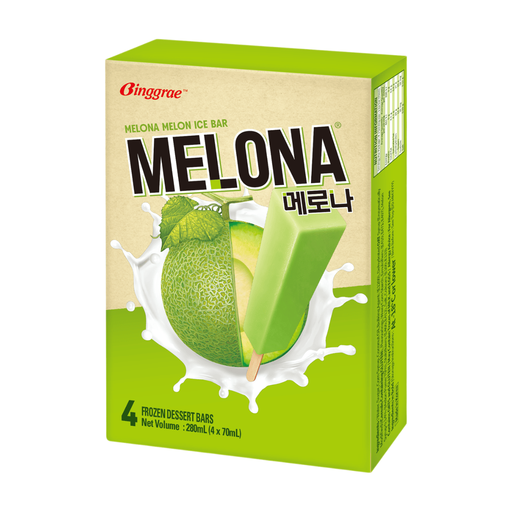
Melona Melon Flavour Ice Bars, 70 ml × 4
Four individual 70 ml bars offer a hand-held portion for an ordinary eater. Check the current pack for ingredients and allergens, and consider the bar’s texture at the temperature at which it will be served; a product description of smoothness is not a prescribed-texture assessment.
View on Joybuy
 No image available
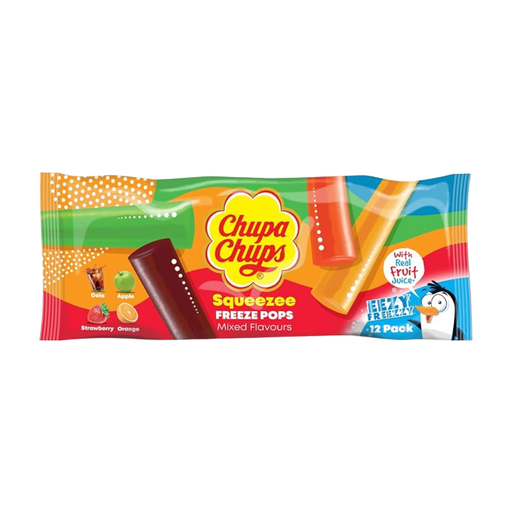
Chupa Chups Squeezee Freeze Pops Mixed Flavours, 12 × 45 ml
The pack contains twelve individual 45 ml freeze pops for someone who prefers a squeeze format. Check the physical pack for the ingredients of each flavour and assess the frozen and melting consistency against any prescribed swallowing guidance.
View on Joybuy
 No image available
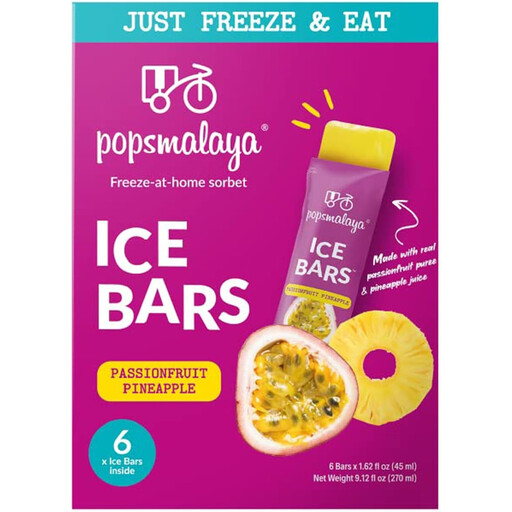
PopsMalaya Passion Fruit Pineapple Ice Bars, 45 ml × 6
Six individual 45 ml ice bars provide hand-held portions. Check the current pack for ingredients and allergens, and consider the actual bar’s texture before serving it to someone who needs easier chewing; the portion size does not establish medical suitability.
View on Joybuy
Frequently asked questions
Does a mini ice-cream stick make chewing easier?
Not necessarily: portion size does not tell you how much effort the coating or inclusions take to bite. Asda describes a Magnum mini stick with a cracking white-chocolate coating, and one variant contains almonds. Check the exact stick’s ingredients and texture.
When might a mini cup be more practical than a stick?
A mini cup may suit an ordinary eater who finds using a spoon easier than holding a stick or biting through a coating. Check the particular flavour for hard pieces and allergens; a cup does not establish that its contents meet a prescribed texture requirement.
Can someone following a dysphagia plan choose ordinary ice cream?
The decision needs to follow that person’s assessed texture and fluid guidance, not the product category. IDDSI says foods and drinks should be assessed under intended serving conditions and that clinicians make individual recommendations; University Hospitals Sussex NHS Foundation Trust describes the Speech and Language Therapist’s role in advising on consistency.
Why does melting matter for a frozen dessert?
A dessert’s consistency can change while it is eaten. IDDSI notes that ice cream may melt quickly in the mouth to a liquid, so its frozen firmness does not establish compatibility with a prescribed fluid thickness.
How should I check a mixed pack for allergens?
Read the current physical pack for every included flavour before serving. Häagen-Dazs says online ingredient and allergen information can change, while Asda’s Magnum mini listing illustrates how one variant in a pack can contain almonds.


