Small-batch curry cooks
If you usually make paste for one curry, a compact chopper intended for small quantities may suit the garlic, ginger, chillies and herbs you need to process. Check that the model can handle your usual batch size.


For a small curry-paste batch, start with a mini chopper designed for small quantities, with pulse control to help you assess the texture as you go. Choose a food processor if you also need to slice or grate ingredients for the meal, but check whether its bowl can handle the amount of paste you normally make. If your recipe calls for gradually adding oil or water, look for a suitable lid opening or drizzle feature.
If you usually make paste for one curry, a compact chopper intended for small quantities may suit the garlic, ginger, chillies and herbs you need to process. Check that the model can handle your usual batch size.
If you also want to slice or grate vegetables for the meal, compare food processors by their included attachments as well as their bowl size and paste-making controls.
If you want to assess the paste between bursts of processing or add liquid gradually, look closely at pulse controls and any lid opening or drizzle feature.
Choose it when: Curry paste is usually a small batch and you mainly need to chop or purée its ingredients.
Trade-off: A basic chopper does not provide the slicing and grating functions you may want for the rest of the meal.
Choose it when: Making the paste is part of a wider preparation routine that also calls for slicing or grating.
Trade-off: A larger bowl and extra attachments take more space and may be less convenient for a tiny paste batch.
| Concern | What to check | Who this matters to |
|---|---|---|
| Small-batch texture | Check the bowl size and the exact model’s guidance on minimum ingredient quantities. | When I make paste for one curry, I want the ingredients to reach the blade rather than spread around a large bowl. Around 50% of consumers put small-batch processing first. |
| Wider meal preparation | Check which slicing or grating discs are included and where the bowl and attachments will be stored. | If I am preparing vegetables alongside the paste, I want the same appliance to handle those jobs. For around 30% of consumers, broader meal preparation is the main concern. |
| Control and clean-up | Look for pulse control and, if needed, a liquid-addition feature; check cleaning instructions for each part. | I want to pause before the paste becomes finer than intended and keep frequent clean-up manageable. Texture control and cleaning come first for around 20% of consumers. |
Total bowl capacity does not tell you the minimum quantity needed for ingredients to contact the blade effectively. A processor with more functions may still be awkward for a small amount of paste.
Match the bowl to the quantity you usually make, then check the exact model’s minimum-quantity guidance.
Motor wattage is only one specification; it does not establish how a particular quantity of curry-paste ingredients will process.
Check the bowl size, blade and available controls first, along with the ingredients the manufacturer says the appliance can handle.
Cleaning instructions differ by model and component. Thorough cleaning matters especially when the appliance is also used for raw meat, fish or poultry.
Check the manual for each part’s cleaning instructions, and clean equipment thoroughly after raw-food preparation before using it with ready-to-eat ingredients.
Kenwood’s Easy Chop range includes a compact option for shoppers who mainly prepare small quantities of paste, sauces or dips.
KitchenAid offers compact choppers for chopping and puréeing as well as food processors with broader preparation functions.
Magimix has a compact chopper and a multi-function processor for buyers considering paste-making alongside other meal preparation.
These choices cover compact electric and manual choppers as well as larger appliances for curry paste alongside other meal preparation. Compare their bowl sizes with your usual batch, and check the exact model instructions where small-quantity processing or gradual liquid addition matters.
 No image available
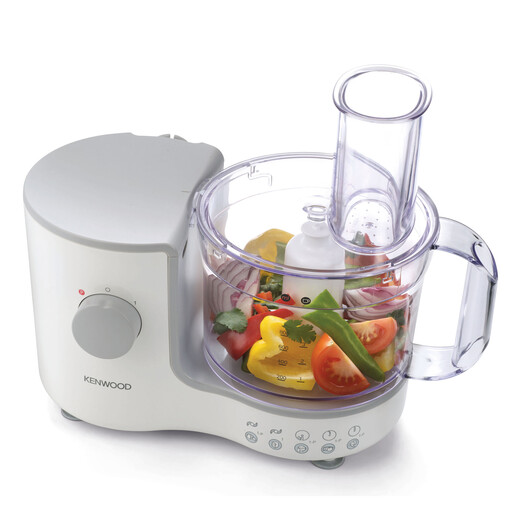
Consider this compact chopper if you usually make a small batch of curry paste. Its listed features include a 300 W motor, two speeds and a dishwasher-safe bowl; check the model instructions for your usual ingredient quantity and whether its lid suits gradual liquid addition.
 No image available
Consider this model if you want to make paste and use a shredder disc for other ingredients. The product name lists a 400 W motor, chopping, blending and emulsifying functions; check the instructions for small paste batches and any need to add liquid during processing.
 No image available
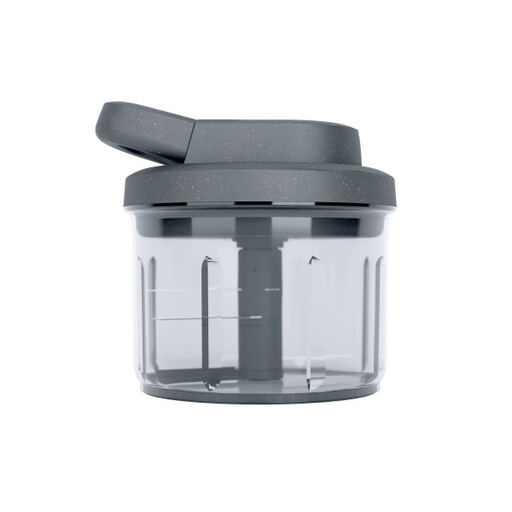
This manual, pull-cord option may suit cooks who want to adjust chopping by hand rather than use a powered motor. It requires repeated pulls; check its instructions for your usual paste quantity and for adding liquids.
 No image available
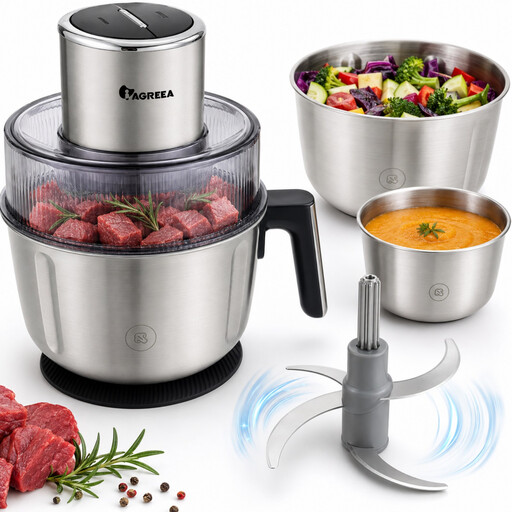
Consider this chopper if paste-making sits alongside larger chopping tasks. The listed configuration has a 350 W motor, two-speed control and three 304 stainless-steel bowls of 1.8 L, 2.2 L and 2.5 L. Because the smallest bowl is 1.8 L, check the instructions before relying on it for a tiny paste batch.
 No image available
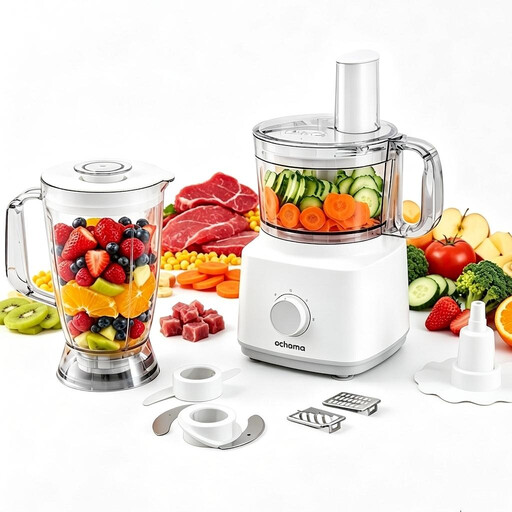
Consider this processor if you also want to slice or grate ingredients for the meal. Its listed configuration includes slicing, shredding and grater discs; check the instructions for small-batch paste quantities, pulse control and adding liquid during processing.
A mini chopper is the more direct choice for small batches when you mainly need chopping or puréeing. Choose a food processor if you also need slicing, grating or more substantial ingredient preparation, and check that it can process your usual paste quantity.
Pulse control lets you stop and assess the texture between bursts. If your recipe calls for oil or water to be added gradually, check for a suitable drizzle basin or lid opening; the result will still depend on the ingredients and batch size.
You can use the same appliance for different ingredients only with appropriate cleaning between tasks. Food Standards Agency guidance for food businesses warns that shared equipment can transfer contamination from raw to ready-to-eat foods; follow your appliance’s cleaning instructions rather than relying on a quick rinse after raw meat, fish or poultry.