What matters when choosing?
For consumers choosing a mini chopper for pesto in a small kitchen, start with the amount you normally make, then weigh storage, texture control and cleaning against the bowl size you need.
| Concern |
What to check |
Who this matters to |
| Storage space |
Check assembled dimensions and whether the bowls, lids and cord store tidily. |
If cupboard and worktop space is tight, I need a chopper I can put away without rearranging the kitchen. Around 31% of consumers would put a small storage footprint first. |
| Texture and oil addition |
Look for pulse control; if you add oil during processing, check the lid design. |
I want to stop and inspect the herbs and nuts before the pesto becomes finer than I like. Texture control would be the primary concern for around 31% of consumers. |
| Batch capacity |
Match the bowl to your usual recipe and distinguish bowl volume from stated useful capacity. |
If I regularly make several portions, I need room for the ingredients without assuming a larger bowl will fit my kitchen. Around 23% of consumers would prioritise batch size. |
| Cleaning and upkeep |
Identify the dishwasher-safe components and check current repair and spare-parts terms. |
After processing oily ingredients, I want parts I can clean as the maker instructs and an appliance I can maintain. Ease of cleaning and longer-term upkeep would come first for around 15% of consumers. |
Joybuy mini choppers for small batches
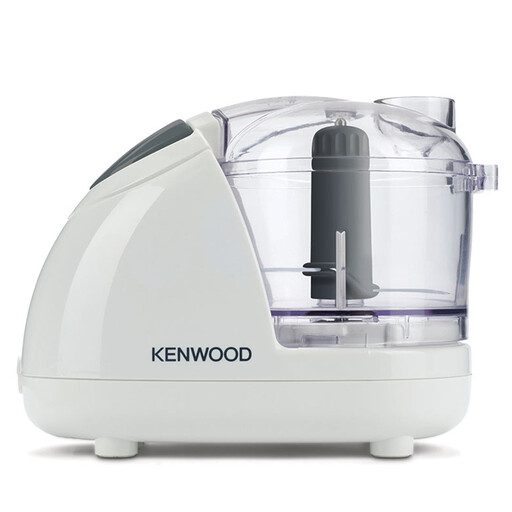
This compact Kenwood option is geared towards small portions of pesto, sauces and dips. Check that its 350 ml bowl fits both your usual recipe and the space where you will keep it.
 No image available
Kenwood CH180B Mini Chopper, 350 ml, White
A choice to consider when you normally make a small portion of pesto rather than several batches at once.
The listing specifies a 350 ml bowl, 300 W motor, two speeds and a dishwasher-safe bowl. If you want to add oil while the chopper is running, check the lid instructions before buying.
View on Joybuy
Questions about making pesto
Can a mini chopper make pesto, not just chop herbs?
A mini chopper intended for herbs, nuts, sauces or dips can be considered for pesto, but the result depends on the model, portion and recipe. Use its controls to stop and check the texture, and check the lid design if you want to add oil during processing.
Which bowl size should I choose for pesto?
Choose a bowl that fits the portion you normally make rather than selecting the largest capacity by default. Kenwood's CH180B has a 350 ml bowl, Ninja's NJ1002UKBK uses 500 ml processing bowls, and KitchenAid specifies an 830 ml work bowl for the 5KFC3516; Tefal lists up to 1 L useful capacity for the larger Choppeo.
How should I clean a chopper after making pesto?
Follow the exact model's care instructions for its bowl, lid, blade and motor unit. Check which removable parts are dishwasher safe, particularly after processing oil and other ingredients that leave residue.
What should I do with an old mini chopper?
Consider repair or reuse if the appliance is suitable; otherwise, use an electrical-recycling route rather than general waste. Recycle Your Electricals advises reusing or recycling small appliances with a plug, battery or cable, and your local council can advise on collection options.


