Under the NHS’s solid-food labelling criterion of no more than 3g fat per 100g, none of the five mint chocolate boxes compared here is low fat. If a chocolate gift still matters, Marks & Spencer lists M&S Peppermint Creams at 11.5g fat per 100g, the lowest figure in this limited comparison. If meeting the low-fat criterion matters more than giving chocolate, Waitrose lists 0.5g fat per 100g for its non-chocolate Mint Imperials, alongside 68.6g sugars per 100g.
Who is choosing?
Gift buyers with a strict low-fat requirement
If the gift must meet the NHS criterion of no more than 3g fat per 100g, the five boxed mint chocolates compared here do not qualify. Non-chocolate mints give you another format to consider, but check the exact product’s label rather than assuming all mints qualify.
Chocolate gift buyers looking to reduce fat
If a boxed chocolate gift is the priority and meeting a low-fat criterion is not essential, compare total fat on the same per-100g basis. Marks & Spencer lists 11.5g for M&S Peppermint Creams, the lowest figure among the five boxes compared here; that does not make them low fat.
After-dinner mint shoppers weighing up sugar
Switching from chocolate to mint sweets changes more than the presentation. Waitrose lists 0.5g fat and 68.6g sugars per 100g for Mint Imperials, so check both figures if sugar also matters to your choice.
What should you check?
Start with total fat per 100g to assess the low-fat requirement, then weigh up gift format, sugars and the information on the pack.
| Priority |
What to check |
Your needs |
| Low-fat criterion |
The NHS gives 3g total fat or less per 100g as the low-fat criterion for solid foods. Read the finished product’s total-fat figure; dark chocolate, thin pieces and an ingredient called low-fat cocoa do not establish its fat content. |
If the gift must qualify as low fat, I need the figure for the exact product—not a description that merely sounds lighter. |
| Chocolate presentation |
Compare total fat per 100g on the same basis. Marks & Spencer lists 11.5g for M&S Peppermint Creams; Tesco lists 12.9g for After Eight, 20g for Bendicks Mint Collection and 22g for Elizabeth Shaw Mint Collection. Waitrose lists 26.5g for Mint Thins. All five exceed the NHS low-fat criterion. |
I still want a mint chocolate box and can accept that these compared options are not low fat. Their per-100g figures help me choose between them without confusing relatively less fat with a low-fat claim. |
| Sugars and portions |
Check sugars as well as fat per 100g, then use any stated portion figures to understand the amount you intend to eat. Waitrose lists 0.5g fat but 68.6g sugars per 100g for its non-chocolate Mint Imperials. |
Switching to mint sweets could meet my low-fat requirement, but I also want to know their sugar content before choosing them. |
| Ingredients and allergens |
Read the ingredients, allergen declaration and precautionary statements on the exact pack. Check its current nutrition table too, as product information and recipes can change. |
When I’m buying for someone else, the pack they will receive needs to fit their ingredient and allergen requirements. |
Common mistakes
-
Taking “dark” or “thin” to mean low fat
Those descriptions say nothing conclusive about total fat in the finished chocolate. Sainsbury’s lists 52g fat per 100g for Lindt Lindor Dark Mint Chocolate Truffles, despite low-fat cocoa appearing in the ingredients.
Use the product’s total-fat figure per 100g when checking the NHS low-fat criterion of 3g or less per 100g for solid foods.
-
Comparing only a stated serving
A serving figure and a per-100g figure answer different questions. Tesco lists 3.3g fat for three After Eight mints, while its per-100g figure is 12.9g—above the NHS low-fat criterion for solid foods.
Compare products per 100g first, then check the stated serving against the portion you intend to have.
-
Switching to sweets without checking sugars
A non-chocolate mint can meet a low-fat criterion without being low in sugar. Waitrose Mint Imperials list 0.5g fat and 68.6g sugars per 100g.
Read both figures on the pack if you are considering mints instead of a chocolate box.
-
Relying on an older product listing
Recipes and product information can change, which matters particularly when buying for someone with an allergy or intolerance.
Check the nutrition table, ingredients and allergen declaration on the exact pack before buying or gifting it.
Brand and product-line references
These examples distinguish boxed mint chocolates from a non-chocolate mint alternative; the figures apply to the named products, not every product from each brand.
M&S
Peppermint Creams offer a chocolate gift format, while Mint Chocolate Selection is a separate assortment.
- Marks & Spencer lists 11.5g fat per 100g for Peppermint Creams, the lowest figure among the five boxes compared here.
- Peppermint Creams remain above the NHS low-fat criterion and list 6.9g saturates and 60.1g sugars per 100g.
After Eight
The Dark Mint Chocolate Box is an after-dinner boxed chocolate format.
- The Tesco listing identifies a 300g box.
- Tesco lists 12.9g fat and 7.4g saturates per 100g, above the NHS low-fat criterion for solid foods.
Bendicks
Mint Collection is a boxed dark-mint chocolate assortment.
- The Tesco listing describes a collection of four mint chocolate styles.
- Tesco lists 20g fat and 12.2g saturates per 100g for Mint Collection.
Elizabeth Shaw
Mint Collection is a gift box containing dark- and milk-chocolate varieties.
- The mixed assortment offers a choice of chocolate styles within one box.
- Tesco lists 22g fat and 13g saturates per 100g for this collection.
Waitrose
Mint Thins are boxed chocolates; Mint Imperials are non-chocolate sweets and serve a different gifting purpose.
- Waitrose lists 0.5g fat per 100g for Mint Imperials, within the NHS low-fat criterion for solid foods.
- Mint Imperials list 68.6g sugars per 100g; the chocolate Mint Thins list 26.5g fat per 100g.
Joybuy mint options
These are non-chocolate mints to consider if you can move away from a boxed chocolate gift. Check the current pack’s total fat per 100g before relying on either for a low-fat requirement.
 No image available
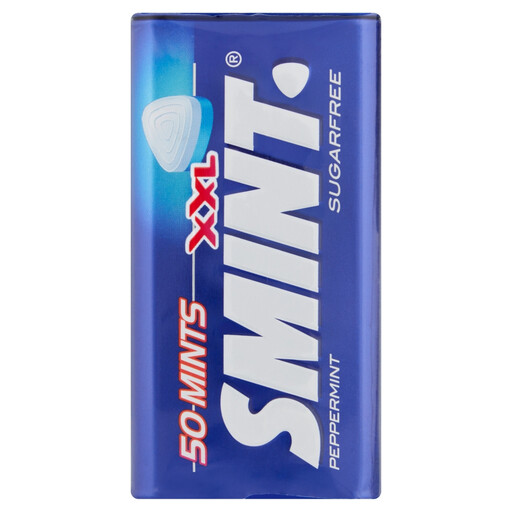
Smint Peppermint Sugar Free Mints
A non-chocolate peppermint mint if a chocolate gift box is optional. Confirm the pack size before buying, and read the current nutrition and ingredient information on the pack. The listing warns that the mints are unsuitable for young children because of a choking risk.
View on Joybuy
 No image available
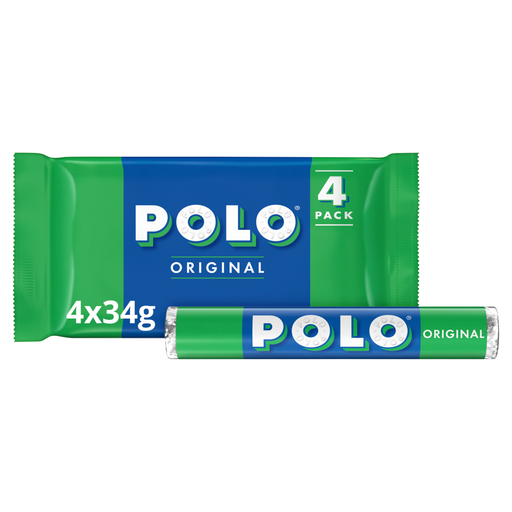
Polo Original Mints 4 Pack
A four-pack of non-chocolate mints rather than a boxed chocolate gift. Check total fat and sugars per 100g, along with ingredients and allergens, on the pack you buy.
View on Joybuy
Frequently asked questions
What counts as low fat for a solid food in the UK?
The NHS gives 3g total fat or less per 100g as the low-fat criterion for solid foods. Compare that figure with the total fat of the finished product, rather than a serving size or an ingredient description.
Is dark mint chocolate automatically low fat?
No. Chocolate colour and thin pieces do not establish total fat content. Sainsbury’s lists 52g fat per 100g for Lindt Lindor Dark Mint Chocolate Truffles, while Waitrose lists 26.5g per 100g for Mint Thins; both exceed the NHS low-fat criterion for solid foods.
Should I compare fat per mint or per 100g?
Use total fat per 100g to compare products and assess the NHS low-fat criterion for solid foods. Then check any stated portion figure to see how it relates to the amount you intend to eat.
Can a low-fat mint still contain a lot of sugar?
Yes. Waitrose lists 0.5g fat per 100g for its non-chocolate Mint Imperials, alongside 68.6g sugars per 100g. Check both figures if you are switching from a chocolate box.
What should I check before gifting mint chocolates to someone with an allergy?
Read the ingredients, allergen declaration and any precautionary statements on the exact pack you are buying. Product recipes and information can change, so the pack is the relevant check for the gift the recipient will receive.


