Home bakers making peppermint biscuits
Decide whether the recipe calls for pieces of hard mint, a chocolate-mint addition or flavouring mixed into the dough, icing or filling. Those ingredients serve different purposes.


Buy a larger pack of mints for biscuit baking when the recipe calls for confectionery pieces: plain mint imperials suit a crushed hard-sweet inclusion, while mint chocolate belongs in a chocolate-mint variation. If the recipe needs peppermint flavour without sweet pieces, use a baking extract as directed; whichever route you choose, check the exact pack for ingredients and allergen information before serving.
Decide whether the recipe calls for pieces of hard mint, a chocolate-mint addition or flavouring mixed into the dough, icing or filling. Those ingredients serve different purposes.
Check the particular pack for gelatine, milk and precautionary allergen statements. A mint flavour or familiar brand name does not establish who can eat the finished biscuits.
Compare the stated quantity and pack format with what each recipe requires. A bag, bar and multipack of rolls may contain different kinds of confectionery even when each offers more than one serving.
Start with the ingredient’s job in the recipe, then check its formulation, dietary information and pack format.
| Priority | What to check | Your needs |
|---|---|---|
| Recipe role | Does the recipe call for crushed hard sweets, chocolate-mint pieces or peppermint flavouring? Sainsbury's lists mint imperials, Aero Peppermint Bubbles and baking peppermint extract as distinct products; do not substitute one by weight without a recipe designed for it. | For visible mint pieces, I need the kind of sweet the recipe specifies. If I only want peppermint flavour in the dough or icing, I need a recipe that calls for extract. |
| Ingredients and allergens | Read the current ingredients and any precautionary allergen statement. Sainsbury's lists gelatine in Trebor Extra Strong Peppermint Mints and warns that its Mint Imperials are not suitable for customers with peanut or nut allergy due to manufacturing methods. | When I am baking for others, I need to check the exact product rather than assume that every mint, or every product from one brand, meets their dietary requirements. |
| Sugar and sweeteners | Compare the ingredient lists before changing a recipe. Sainsbury's lists 94.2g sugars per 100g for its Mint Imperials; Tesco lists sorbitol as the sweetener in Polo Sugar Free Mints. Those formulations are not a like-for-like baking substitution. | I want to know whether I am adding sugar-based sweets or sorbitol-sweetened mints, particularly if the recipe specifies one of them. |
| Pack format | Confirm the quantity and whether it is a bag, bar or rolls. A larger quantity does not establish that the product is a sharing bag or that its texture suits the recipe. | If I am baking several batches, I need enough of the right ingredient—not simply a larger pack of any peppermint confectionery. |
Sainsbury's describes Aero Peppermint Bubbles as peppermint-centred chocolate confectionery, while its Mint Imperials are sugar-based sweets. Switching between them changes what goes into the biscuits, including whether chocolate is added.
Match the ingredient to the recipe: hard sweets for a specified crushed-mint addition, chocolate confectionery for an intended chocolate-mint variation, or extract when the recipe calls for flavouring alone.
Ocado labels M&S Mint Imperials suitable for vegans, but lists beef gelatine in the separate M&S Extra Strong Mints product. Sainsbury's also lists gelatine in Trebor Extra Strong Peppermint Mints.
Check the ingredients on the exact pack, as well as the other ingredients in the biscuit recipe, before baking for vegetarian or vegan guests.
Tesco lists sorbitol in Polo Sugar Free Mints, whereas its standard Polo mints list sugar and glucose syrup. The sweetener change means the products should not be treated as the same recipe ingredient.
Use a recipe written for the sugar-free product rather than making an untested weight-for-weight swap.
The pack used for a particular batch is the one that matters when checking ingredients and allergen statements. Sainsbury's Mint Imperials, for example, carry a peanut and nut allergy warning linked to manufacturing methods.
Read the packaging before baking and keep its ingredient and allergen information available when serving the biscuits.
These examples describe particular listed products, not every mint sold under each brand.
Sainsbury's lists both 200g Mint Imperials and a separate 38ml baking peppermint extract, for recipes requiring sweets and recipes requiring flavouring.
The listed Extra Strong Peppermint Mints are a 145.6g confectionery option for a recipe intended to use that type of sweet.
Ocado lists M&S Mint Imperials as a 225g bag containing sugar, glucose syrup and peppermint oil.
Tesco lists standard and sugar-free Polo products in multipack tube formats, rather than establishing either as a sharing bag.
These options cover plain mint sweets, chocolate-mint confectionery and extra-strong peppermint rolls. Check the format against your recipe: a bar or rolls are not a sharing bag, and a stated quantity alone does not confirm bag packaging.
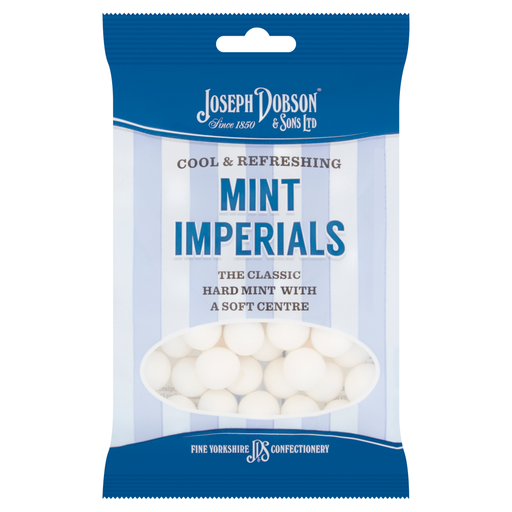 No image available
Consider these for a recipe that specifies mint-imperial sweets, rather than a chocolate addition. The quantity is 200g; confirm the packaging if you need a bag. Check the pack for its stated possible sulphites and milk before serving.
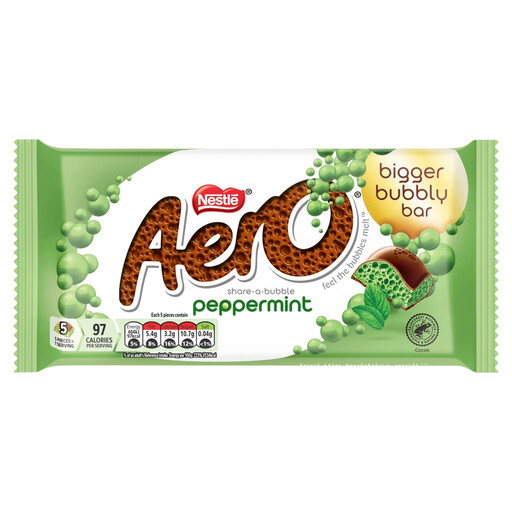 No image available
This peppermint-centred milk-chocolate bar is an option for a chocolate-mint biscuit variation, not a crushed hard-mint substitution. It is a 145g bar rather than a bag. Check the pack for milk and its precautionary nut and wheat statements.
 No image available
These dark-chocolate peppermint creams fit a deliberate chocolate-mint addition rather than a recipe calling for crushed hard sweets. The quantity is 200g; confirm the pack format if you need a bag. Check the pack for soya and its precautionary milk and nut statements.
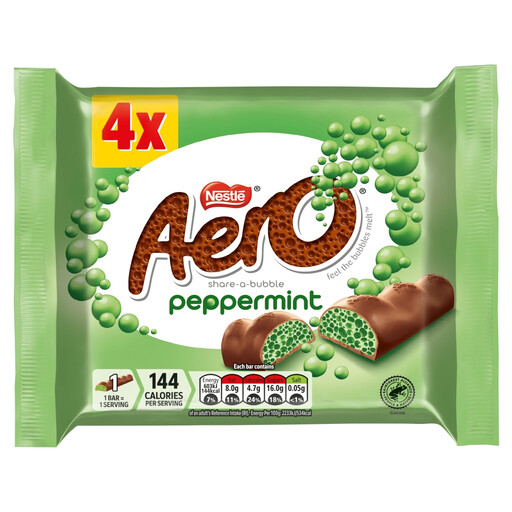 No image available
Choose this four-bar pack only for a biscuit recipe intended to include peppermint milk chocolate. The total quantity is 108g, and the format is bars rather than a sharing bag. Check the milk declaration on the pack before serving.
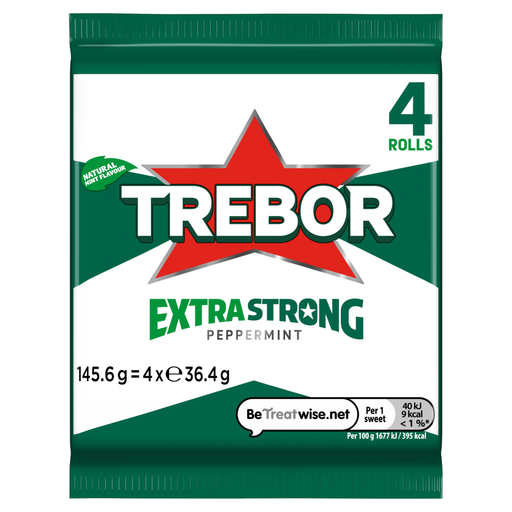 No image available
Use these extra-strong peppermint sweets only where that confectionery type fits the recipe; do not assume they will behave like mint imperials. The 145.6g pack contains four rolls, not a sharing bag. The listed ingredients include gelatine, so check the pack when baking for vegetarian or vegan guests.
No: choose by what the recipe asks the ingredient to do. Mint imperials are hard sweets, while peppermint chocolate adds chocolate as well as mint; extra-strong mints can have different ingredients again. For flavour without sweet pieces, follow a recipe that calls for baking peppermint extract.
It depends on the exact product and the other biscuit ingredients. Ocado labels its listed M&S Mint Imperials suitable for vegans, but its separate M&S Extra Strong Mints listing includes beef gelatine. Check the pack you intend to use rather than applying one product’s label to all mints.
Yes. Read the ingredients and any precautionary allergen statement on the pack used for this batch, particularly when serving someone with an allergy. For example, Sainsbury's states that its Mint Imperials are not suitable for customers with peanut or nut allergy due to manufacturing methods.
Do not treat them as an automatic substitute. Tesco lists sorbitol in Polo Sugar Free Mints, while its standard Polo mints list sugar and glucose syrup. Use a recipe developed for the ingredient you choose rather than replacing sugar-based sweets by weight.