Who is the mint for?
For afternoon tea, the person’s preferred sweet, sugar considerations and ability to manage its texture matter more than age alone.
Someone choosing a lower-sugar sweet
A sugar-free mint roll offers a small after-tea option when the person can comfortably manage a hard mint. Check the serving information and sweeteners on the pack rather than assuming all sugar-free mints have the same ingredients.
Someone who prefers conventional peppermint
A standard crunchy roll may suit someone who can manage hard sweets and prefers that flavour. Tesco lists 4.3g sugars per three POLO Original mints, so the amount eaten matters when comparing it with a sugar-free roll.
Someone with chewing or swallowing concerns
Ask about coughing or choking with food, food sticking, chewing problems and any individual swallowing plan before offering a mint. The NHS identifies these as possible signs or considerations in swallowing difficulty; neither a hard mint nor a chewy-centred sweet should be selected as a texture workaround.
What should you check before choosing?
Start with whether a mint is appropriate for the person, then compare sugar information, texture and the current pack label. A single roll, multipack and tin also serve different preferences at the tea table.
| Priority | What to check | Your needs |
|---|
| Swallowing and chewing |
Check whether the sweet is hard, crunchy or chewy, and ask about coughing, choking, food sticking or an individual swallowing plan. Follow that plan rather than assuming a chewy centre is easier to manage. |
I need to know whether this person can manage the mint’s actual texture. If swallowing is a concern, I would leave out hard and chewy mints pending their clinical advice. |
| Sugars per serving |
Compare the labelled serving size as well as sugars per 100g. Tesco lists less than 0.5g sugars per three POLO Sugar Free mints and 4.3g per three POLO Original mints. |
For a regular after-tea sweet, I want to compare the amount likely to be eaten, not just the words on the front of the pack. The NHS advises keeping both the amount and frequency of sugary foods low. |
| Dry mouth |
Consider the person’s ability to manage a sweet as well as its sugar content. NHS dry-mouth advice mentions regular sips of water and sugar-free sweets, and advises against sugary foods. |
If dry mouth affects afternoon tea, I want water available and a choice that fits the person’s chewing and swallowing needs; a mint is not a substitute for advice about persistent symptoms. |
| Ingredients and format |
Read the physical pack for ingredients, allergen information, sweeteners and warnings. Check whether it is one roll, several rolls or a tin of individual mints. |
I may prefer one roll to share out, or a tin to keep for later. If I am buying for someone with dietary restrictions, the exact pack label matters more than the format. |
Relevant brand references
These product lines illustrate different sugar, texture and pack-format choices; a brand name alone does not establish whether a particular mint suits the person eating it.
POLO
Tesco lists both a 33.4g Sugar Free roll and a 34g Original tube of crunchy peppermint mints.
- Tesco lists less than 0.5g sugars per three Sugar Free mints and identifies sorbitol as a sweetener.
- Tesco lists 4.3g sugars per three Original mints. Both products have a hard, crunchy texture that needs to suit the individual.
Trebor
Tesco describes Trebor Soft Mint Peppermint as a chewy-centred sweet with a crisp coating.
- The chewy centre offers a different texture for someone who comfortably eats chewy sweets.
- The crisp coating and chewy centre do not establish suitability for swallowing difficulty. Tesco lists 15g sugars per 20.4g serving for the referenced multipack.
Smint
ASDA lists Smint XXL Peppermint as sugar-free individual mints in a 35g, 50-piece tin rather than a single roll.
- The tin format may suit someone who prefers individual mints kept together rather than a roll.
- ASDA lists several sweeteners for Smint XXL and warns about laxative effects with excessive consumption and a source of phenylalanine. Check the exact product label; this description does not identify the ingredients of every Smint variant.
Mint options on Joybuy
These options cover sugar-free mint packs and a chewy mint-roll multipack for afternoon tea. Compare each format and its pack label with the person’s preferences and ability to manage the texture; the five-roll pack is not a single roll.
 No image available
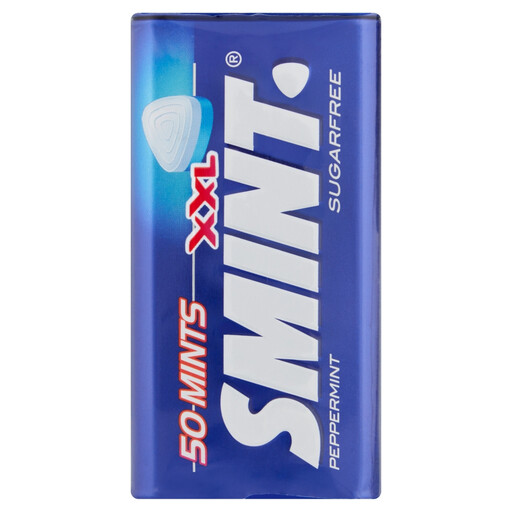
Smint Peppermint Sugar Free Mints 35g
A 35g sugar-free peppermint option for someone who prefers a tin to a roll. Check the physical pack for its sweeteners and the mint’s texture before serving, particularly where dietary restrictions or swallowing concerns apply.
View on Joybuy
 No image available
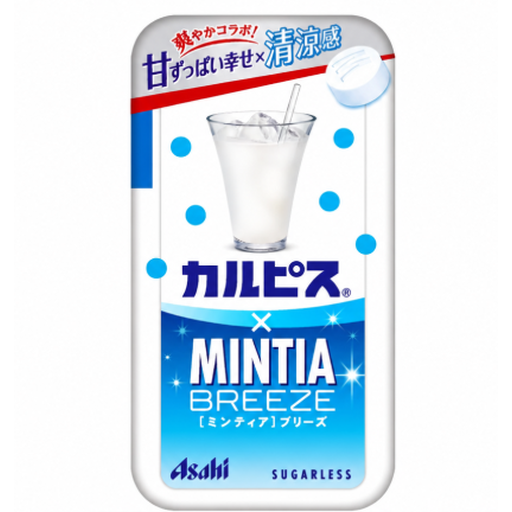
Asahi Mintia Sugar-Free Refreshing Calpis Mints 22g
A compact 22g sugar-free pack for someone who wants a Calpis-flavoured mint rather than peppermint. Check the pack’s sugars-per-serving information, ingredients and texture against the person’s needs before serving.
View on Joybuy
 No image available
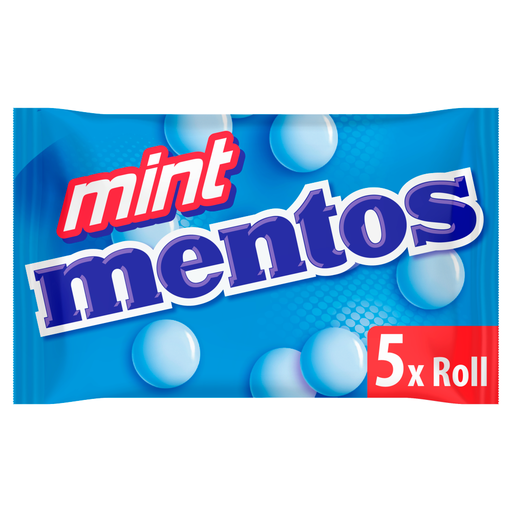
Mentos Chewy Dragees Mint Rolls 5 x 38g
Five individually wrapped rolls of chewy mint sweets for someone who prefers that texture and can manage it comfortably. The listed 69g sugars per 100g describes the product by weight, not the amount in one piece or roll; check the pack for serving information. Do not treat a chewy mint as an alternative for someone with swallowing difficulty.
View on Joybuy
Questions about serving mints
Is a sugar-free mint automatically suitable for an older person?
No. Sugar content and texture are separate checks: a sugar-free hard mint still needs to be manageable for the person eating it. If they have swallowing restrictions, follow their clinician’s or speech and language therapist’s advice rather than assuming a mint is suitable because it is sugar-free.
Is a chewy mint an alternative when swallowing is difficult?
Not without individual clinical advice. The NHS lists chewing problems, coughing or choking, and food sticking among signs of swallowing difficulty. A chewy-centred sweet with a crisp coating is not established as suitable for someone who needs a modified texture.
What if the person has a dry mouth during afternoon tea?
NHS dry-mouth advice includes regular sips of water and mentions sugar-free sweets among self-care options, while advising against sugary foods. The person must still be able to manage the sweet’s texture. Seek advice from a GP or pharmacist if dry mouth makes eating or talking difficult, persists, or comes with mouth pain, swelling or bleeding.
Which label details matter when buying for an allergy or dietary restriction?
Check the ingredients and warnings on the physical pack before serving. GOV.UK states that prepacked foods containing any of the 14 regulated allergens must clearly identify them in the ingredients list. For sugar-free mints, also check the particular sweeteners and any phenylalanine or excessive-consumption warning.
Should a standard mint roll be left out for repeated helpings?
Consider the labelled serving size and how often the sweets are eaten. Tesco lists 4.3g sugars per three POLO Original mints, and the NHS advises keeping both the amount and frequency of sugary foods low. If anyone has coughing, choking or food-sticking symptoms, address swallowing guidance before offering either hard or chewy mints.


