Hosts serving a group of older guests
Compare the amount in the pack with how you plan to serve it. Keep the original packaging available so guests can check ingredients and allergens before taking a mint.


For afternoon tea with older guests, choose separate tubes or rolls if you want guests to take their own mints; a larger pack makes more sense when a host can serve portions and the intended guests can safely eat them. Check swallowing needs before choosing either format: Oxford Health NHS Foundation Trust warns against giving sweets to suck to people with reduced awareness or poor oral control. A sugar-free label addresses a different consideration and does not establish swallowing suitability.
Compare the amount in the pack with how you plan to serve it. Keep the original packaging available so guests can check ingredients and allergens before taking a mint.
A clearly labelled sugar-free option may suit someone looking to reduce sugar intake. NHS guidance says lower- and no-calorie sweeteners can help with that aim, while NHS 111 Wales includes sugar-free sweets among its dry-mouth self-care suggestions. Neither point establishes that a mint is safe for someone with swallowing difficulties.
Do not assume an ordinary mint is suitable because it is small or called a soft mint. Oxford Health NHS Foundation Trust warns against sweets to suck for people with reduced awareness or poor oral control; follow any individual swallowing or texture-modified diet plan.
Establish whether each intended guest can eat mints safely before comparing pack format, sugar labelling and ingredients.
| Priority | What to check | Your needs |
|---|---|---|
| Swallowing | Check for an individual swallowing plan, reduced awareness or poor oral control. The NHS identifies coughing or choking when eating or drinking as signs of dysphagia; Oxford Health NHS Foundation Trust warns against sweets to suck for people with reduced awareness or poor oral control. | I need to know whether each intended guest can safely have a mint, rather than treating it as a default tea-table sweet. |
| Serving format | Compare separate tubes or rolls with a larger pack that a host can portion out. Tesco Groceries and Waitrose & Partners list four-pack mint multipacks and 200g mint products; pack size alone does not establish texture or suitability. | For a group, I want enough to offer without asking everyone to take sweets from one open container. |
| Sugar labelling | Check whether the exact pack is labelled sugar-free and read its ingredients and nutrition information. Keep swallowing suitability as a separate decision. | If reducing sugar matters to a guest, I want to offer a clearly labelled option without assuming it suits every dietary or swallowing need. |
| Ingredients | Keep the current packet and check its ingredients against guests’ known requirements. GOV.UK guidance says applicable pre-packed foods must emphasise the 14 allergens required to be declared within the ingredients list. | Anyone who needs to check an ingredient should be able to see the label for the mints actually being served. |
The NHS lists coughing or choking when eating or drinking among signs of dysphagia. Oxford Health NHS Foundation Trust warns that sweets to suck present a choking risk for people with reduced awareness or poor oral control.
Ask discreetly about relevant restrictions before serving, and follow any individual swallowing or texture-modified diet plan instead of offering ordinary mints by default.
A product name does not establish whether its texture is appropriate for someone with dysphagia or poor oral control.
Treat “Soft Mint” as a name, not a substitute for the guest’s individual guidance.
The NHS advises keeping both the amount and frequency of sugary foods and drinks as low as possible. A large pack does not need to be served all at once.
Put out a portion appropriate to the gathering. If reducing sugar is a consideration, check the label of a sugar-free alternative separately from its swallowing suitability.
Without the exact packet, guests cannot readily check its current ingredients and allergen information. GOV.UK guidance explains the allergen labelling required for applicable pre-packed foods.
Keep the packet beside the mints and check each pack you serve, even when you have bought the brand before.
These retailer examples illustrate pack formats, not a guarantee that a particular mint suits every guest.
Tesco Groceries and Waitrose & Partners list original and sugar-free Polo mints in four-tube multipacks.
Tesco Groceries and Waitrose & Partners list Trebor peppermint multipacks, including Soft Mint-labelled products.
Tesco Groceries lists 200g own-label Mint Imperials and Mint Assortment products.
Waitrose & Partners lists 200g own-label mint products alongside mint tube multipacks.
These options include four-pack mints, larger bulk packs and a sugar-free 35g product. Choose a serving format only after checking the needs of the guests who may take one.
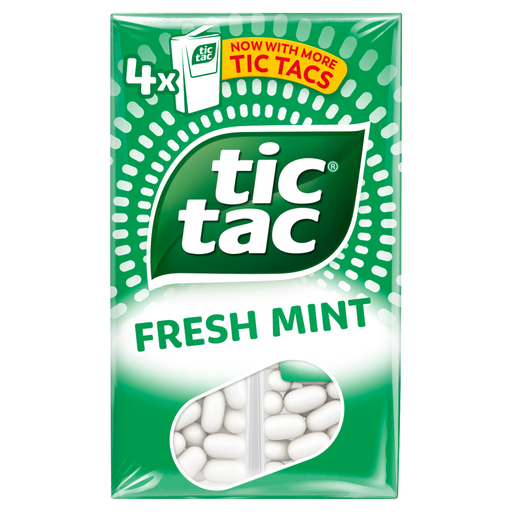 No image available
Consider the four-pack if you would rather offer separate packs than serve mints from one open container. Check the current packet’s ingredients and whether the mints suit each guest before serving.
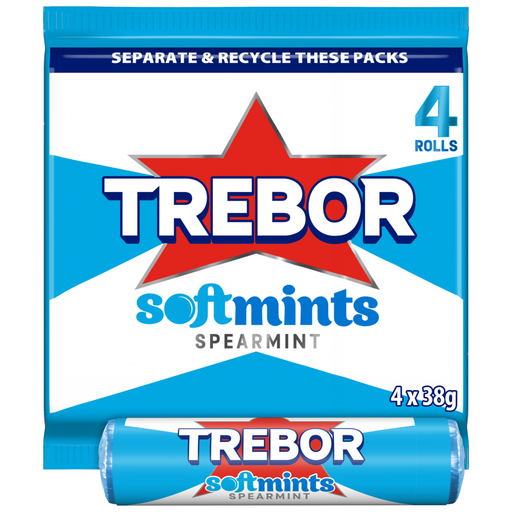 No image available
Four rolls provide a way to offer separate portions to guests who want spearmint. “Softmints” is a product name, not assurance that the texture suits someone with swallowing or oral-control difficulties; check the current pack for ingredients and allergens.
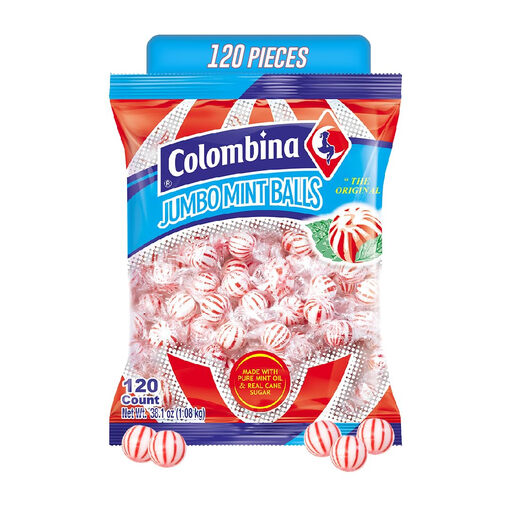 No image available
This bulk format is more relevant to a host serving a large group than to a small tea table. Plan how to portion it, check the current packaging and do not offer sweets to suck to guests with reduced awareness or poor oral control.
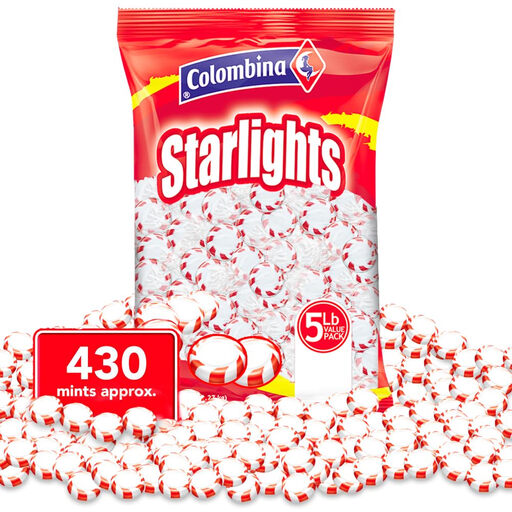 No image available
The 2.27kg pack calls for a serving plan if you are hosting a small afternoon tea. These are labelled hard mints: check guests’ swallowing needs before offering them, and keep the current packet for ingredient checks.
 No image available
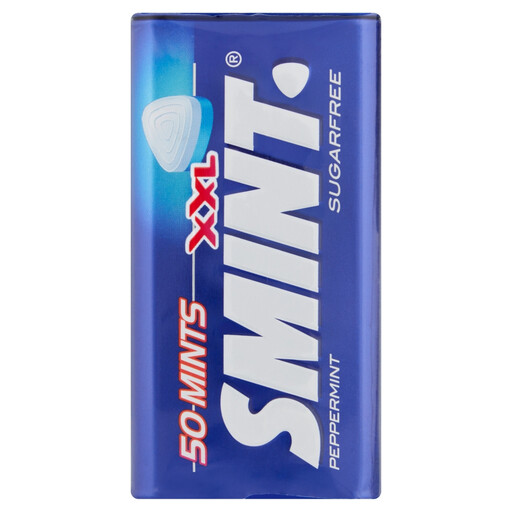
Consider this 35g sugar-free option when reducing sugar is a priority for a guest who can safely eat mints. It is not a large sharing pack; check the current ingredients and do not treat “sugar-free” as evidence of swallowing suitability.
No. Oxford Health NHS Foundation Trust warns against giving sweets to suck to someone with reduced awareness or poor oral control because of choking risk. The NHS also lists coughing or choking when eating or drinking among signs of dysphagia. Follow any individual swallowing or texture-modified diet plan rather than offering an ordinary mint by default.
A clearly labelled sugar-free mint is an option when a guest wants to reduce sugar and can safely eat mints. NHS guidance says lower- and no-calorie sweeteners can help reduce sugar intake. Sugar-free labelling does not establish that the mint suits someone with swallowing or oral-control difficulties.
NHS 111 Wales includes sugar-free sweets among its dry-mouth self-care suggestions, but sucking a sweet is not appropriate for everyone. Oxford Health NHS Foundation Trust warns against sweets to suck for people with reduced awareness or poor oral control; check the guest’s individual needs before offering one.
Yes. Keep the current packet available so guests can check its ingredients and allergens. GOV.UK guidance says applicable pre-packed foods must emphasise the 14 allergens required to be declared within the ingredients list.
No. Tesco Groceries and Waitrose & Partners list 200g mint products, but weight alone does not establish how a product is packaged or described. Check the actual pack and decide how you would portion its contents for your guests.