What should you check?
Decide whether the mint is for flavour or part of a measured food plan, then check the portion, ingredients and how you intend to carry it.
| Priority |
What to check |
Your needs |
| Carbohydrate plan |
Compare carbohydrate per intended portion with your planned hourly intake. World Athletics lists 30–60 g/hour for 1–2.5 hours and up to 90 g/hour beyond 2.5 hours; its higher range calls for multiple-transportable carbohydrates, such as glucose plus fructose. |
For a long run, I want food I can portion and use repeatedly, alongside a fluid plan—not a mint serving mistaken for a full hour’s fuel. |
| Portion size |
Keep per-mint, per-serving and per-100 g figures distinct. Tesco Groceries lists 4.4 g carbohydrate per three Polo Original mints and 5.0 g per two Tesco Mint Imperials. |
A whole roll or bag might be more than I intend to carry or eat. I need the amount for the portion I would actually use. |
| Mint type |
Read sugars and ingredients as well as total carbohydrate. Marks & Spencer lists 0.2 g sugars per 100 g for Sugar Free Curiously Strong Mints; its standard version has a different recipe. |
If I am carrying a mint for flavour, I can choose between sugar-containing and sugar-free products without assuming either replaces my long-run fuel. |
| Ingredients |
Check the current pack’s ingredient, allergen and dietary statements for the exact flavour and format. GOV.UK says any of the 14 regulated allergens used as ingredients in prepacked food must be clearly labelled in its ingredients list. |
I want to check the product I am buying, rather than assume all mints from a brand have the same ingredients. |
| Use during a run |
Consider how you will carry portions and take in fluid. World Athletics advises practising competition eating during training. |
Before a long session or race, I want to know whether my planned food, drink and timing work for me while running. |
Mint brand references
These examples show why the exact product and labelled portion matter; a brand name alone does not establish a mint’s role in a running plan.
Polo
Polo Original is a pressed mint sold in a tube.
- Tesco Groceries labels the 34 g Original Mint Tube suitable for vegans and lists 4.4 g carbohydrate per three mints.
- Three mints are a small carbohydrate portion compared with World Athletics’ hourly guidance for long endurance sessions.
Trebor
The peppermint Softmints listed by Tesco Groceries come in multipack rolls and have a chewy centre with a crisp coating.
- Tesco Groceries lists 19.0 g carbohydrate and 15.0 g sugars per 20.4 g serving of this peppermint product.
- That serving alone does not meet World Athletics’ 30–60 g/hour guidance for 1–2.5 hours of endurance exercise.
Tesco
Tesco Mint Imperials are sold as a 200 g bag of mint sweets.
- Tesco Groceries lists 5.0 g carbohydrate and 4.8 g sugars per two mints.
- A runner counting these sweets towards a food plan would need to calculate the intended portion and plan fluid separately.
Sainsbury's
Sainsbury's Mint Imperials are sold in a 200 g confectionery bag.
- Sainsbury's lists 9.8 g carbohydrate and 9.8 g sugars per four sweets.
- Its product information says the sweets are not suitable for customers with a peanut or nut allergy because of manufacturing methods; check the current pack.
M&S
M&S lists both standard and sugar-free Curiously Strong Mints; they should not be treated as nutritionally interchangeable.
- Marks & Spencer lists 97.2 g carbohydrate and 96.4 g sugars per 100 g for the standard product.
- The standard recipe lists beef gelatine. The separate sugar-free product lists 0.2 g sugars per 100 g and contains sorbitol and steviol glycosides.
Waitrose
Waitrose Mint Imperials are sold as mint sweets in a 200 g bag.
- Waitrose & Partners labels this product suitable for vegans and lists 2.3 g carbohydrate per labelled serving.
- Use the serving figure, rather than the per-100 g figure, when assessing how much carbohydrate a small portion would contribute.
Mint options on Joybuy
These rolls and a tin are options for carrying mints around training. Choose them for their format and ingredients, not on the assumption that one pack provides a complete marathon fuelling plan.
 No image available
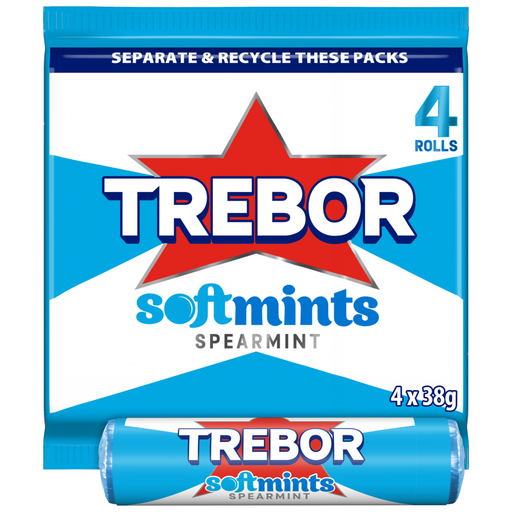
Trebor Softmints Spearmint, 4 × 38 g rolls
Four separate rolls offer a way to carry spearmint sweets around training. If you intend to count them towards carbohydrate intake, check the current pack for the portion you would eat and plan drinks separately.
View on Joybuy
 No image available
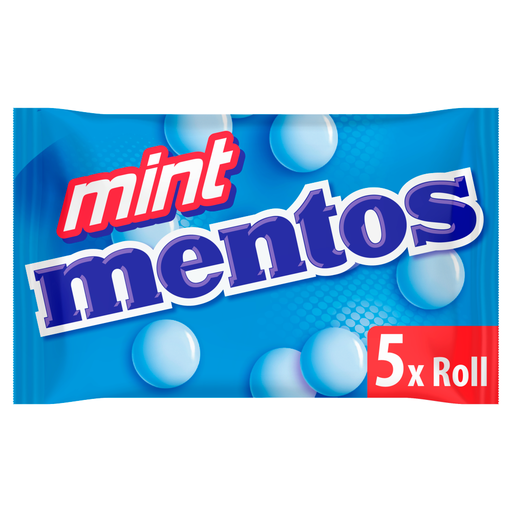
Mentos Chewy Dragees Mint, 5 × 38 g rolls
The five-roll format lets you carry a mint roll separately from the rest of the pack. Check carbohydrate for the portion you plan to use if it will form part of a measured food plan.
View on Joybuy
 No image available
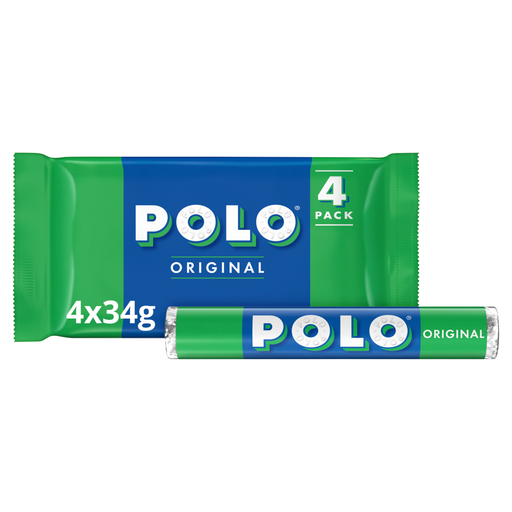
Polo Original Mints, 4-pack
A multi-roll option if you want to keep mints available before or after a run. For any planned intake during a run, check the current pack’s serving information rather than treating a roll as an hourly fuel portion.
View on Joybuy
 No image available
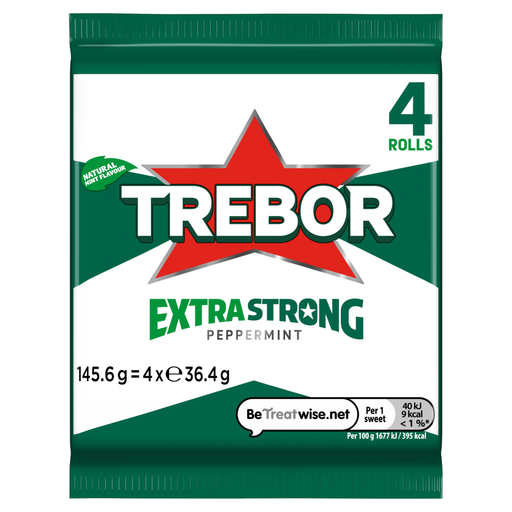
Trebor Extra Strong Peppermint, 4 rolls, 145.6 g
The four-roll pack is an option for carrying peppermint sweets. Check the current ingredient list for dietary suitability and the labelled portion before including them in a food plan.
View on Joybuy
 No image available
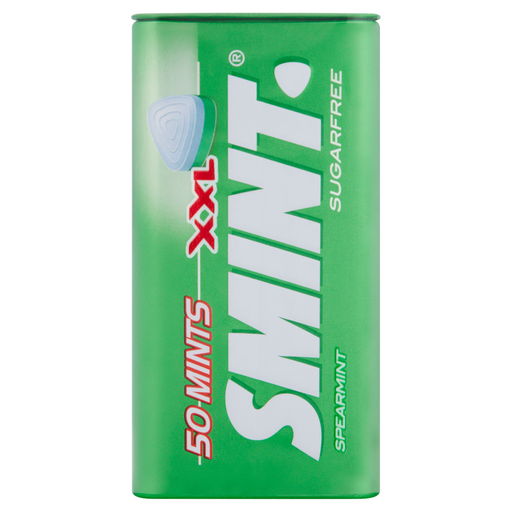
Smint Sugarfree Spearmint XXL tin
The tin offers a different carry format from a roll for someone choosing a sugar-free mint. Do not use the sugar-free description as a reason to count it as planned marathon carbohydrate; check the current ingredients if sweeteners matter to your choice.
View on Joybuy
Questions about mints and running
Can a roll of Polo or Trebor mints be my only marathon fuel?
No: a roll alone is not a complete carbohydrate and fluid plan for a marathon. Tesco Groceries lists 4.4 g carbohydrate per three Polo Original mints and 19.0 g per 20.4 g serving of peppermint Trebor Softmints. World Athletics lists up to 90 g/hour for exercise beyond 2.5 hours, with multiple-transportable carbohydrates at that higher intake range; plan and practise the portions and drinks appropriate to your run.
Are sugar-free mints an alternative running fuel?
Choose them for mint flavour, not as a substitute for planned marathon carbohydrate. Marks & Spencer lists 0.2 g sugars per 100 g for Sugar Free Curiously Strong Mints and names sorbitol and steviol glycosides among its sweeteners.
Could I use mint imperials during a long run?
You can assess their carbohydrate contribution from the exact pack’s labelled portion, but a bag is not automatically a workable long-run food and drink plan. Tesco Groceries lists 5.0 g carbohydrate per two Tesco Mint Imperials; calculate the amount you intend to carry and practise taking it with your planned drinks during training.
What should I check on a mint pack if I have an allergy?
Read the current ingredient list and any product-specific allergy advice before choosing it. GOV.UK says that, in the UK, any of the 14 regulated allergens used as ingredients in prepacked food must be clearly labelled in the ingredients list. Product warnings matter too: Sainsbury’s says its Mint Imperials are not suitable for customers with a peanut or nut allergy because of manufacturing methods.
Should I try a new mint or food plan on race day?
Practise the food, drinks and timing you intend to use during training first. World Athletics advises practising competition eating in training so that you can adjust your approach before an event.


