Parents packing everyday school lunches
Decide what belongs in the lunchbox before comparing mint flavours or chocolate boxes. The school’s packed-lunch policy matters, while NHS advice is to cut down on sugary foods such as sweets and chocolate.


For a routine school packed lunch, choose ordinary lunch foods rather than mints or boxed chocolates: the NHS advises keeping the frequency and amount of sugary foods, including sweets and chocolate, as low as possible. If you are considering an occasional mint for an older child, check the school’s packed-lunch policy and the current pack’s ingredients and age warnings; a sugar-free label does not make a mint a lunch food. England’s statutory school-food standards cover food provided by state-funded schools, so they do not settle what an individual school permits in a lunch packed at home.
Decide what belongs in the lunchbox before comparing mint flavours or chocolate boxes. The school’s packed-lunch policy matters, while NHS advice is to cut down on sugary foods such as sweets and chocolate.
If the school permits mints, compare the current labels of sugar-free and sugar-containing products. Check the sweeteners and serving information rather than treating a sugar-free mint as part of lunch.
Sainsbury’s listings for Polo Original and Polo Sugar Free warn that children under four could choke on small sweets. If ingredients or allergens are a concern, check the current pack rather than relying on a retailer listing alone.
Start with the item’s role in the lunchbox and the school’s rules. Only then is it useful to compare mint labels.
| Priority | What to check | Your needs |
|---|---|---|
| Everyday lunch choice | Check whether the item is a sweet rather than an ordinary lunch food. The NHS identifies sweets and chocolate as foods containing free sugars and advises keeping sugary foods’ frequency and amount as low as possible. | I’m packing a regular lunch, not looking for a sweet to add by default. A box of chocolates is better considered outside that routine lunch decision. |
| Labelled sugars | Sainsbury’s lists 4.3g sugars per three Polo Original mints and less than 0.5g per three Polo Sugar Free mints. Compare the stated serving sizes and read the sweetener ingredients. | If I’m choosing an occasional mint, I want to distinguish a sugar-containing product from a sugar-free one without assuming either is a lunch component. |
| Age warnings | Read the current pack’s age and choking warnings. Sainsbury’s listings for both Polo variants warn about small sweets for children under four; its Polo Sugar Free listing also warns about excessive consumption. | A younger child may be able to reach the lunchbox, so I need to account for the warning even if the mint is intended for someone older. |
| School and ingredients | Read the school’s packed-lunch policy and the current pack’s ingredients and allergen information. The Department for Education says England’s statutory school-food requirements concern food provided by state-funded schools. | Before sending food from home, I need to know what this school permits and what is in the particular pack I’m buying. |
A sugar-free label describes the product’s sugar content; it does not turn a mint into an ordinary lunch food. Sainsbury’s Polo Sugar Free listing also says it contains sorbitol and warns that excessive consumption may produce laxative effects.
Pack lunch foods for the meal itself. If the school permits an occasional mint for an older child, read the current sweetener and serving information.
The Department for Education describes England’s statutory school-food requirements as applying to food and drink provided by state-funded schools. That scope does not, by itself, tell you what a school allows families to pack.
Check the individual school’s current packed-lunch policy before buying mints or chocolate for school use.
Sainsbury’s listings for Polo Original and Polo Sugar Free warn that children under four have limited chewing ability and could choke on small sweets.
Do not choose small mints for a child under four, and consider whether a younger child could get hold of a pack intended for someone else.
The pack you receive is the place to check the ingredients, allergens, warnings and best-before information for that purchase.
Read the current physical label before giving a mint to a child, particularly when an ingredient or sweetener matters to your decision.
Sainsbury’s listings for Polo Original and Polo Sugar Free provide a like-for-like, three-mint serving for comparing labelled sugars. They are mint options to assess only if an occasional mint is appropriate under the school’s policy.
These sugar-free mints are relevant only to an occasional choice for an older child if the school permits it. Neither replaces ordinary lunch food, and neither is a boxed-chocolate option.
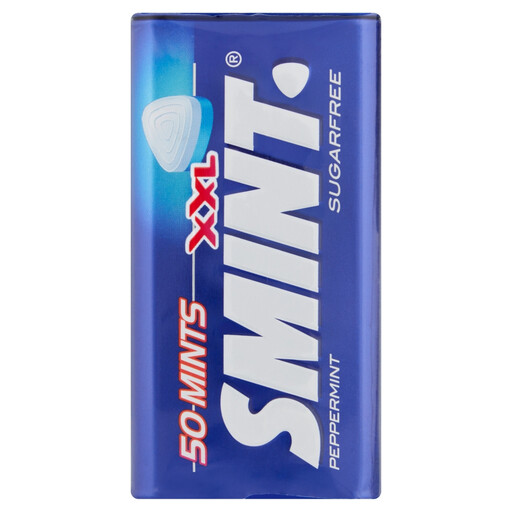 No image available
A peppermint mint to consider only if an older child’s school permits an occasional mint. Check the current pack’s age and choking warnings, ingredients and sugars per serving before choosing it for a child.
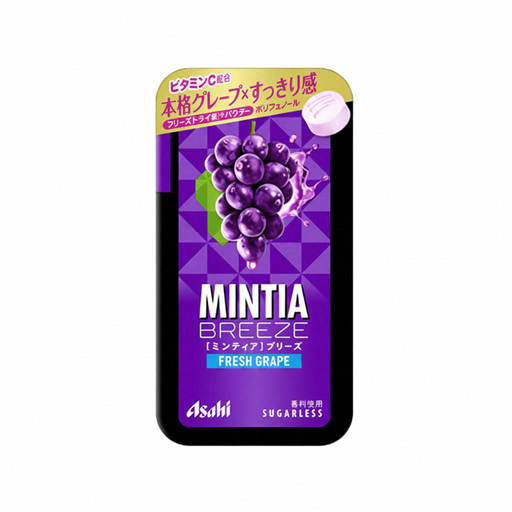 No image available
A grape-flavoured sugar-free mint for an occasional, school-permitted choice rather than a routine lunch item. Check the current pack’s serving information, ingredients and age guidance before choosing it for a child.
England’s statutory school-food rules do not establish a blanket rule for every lunch packed at home: Department for Education guidance describes requirements for food and drink provided by state-funded schools. Check your child’s school packed-lunch policy before sending mints or chocolate.
No: lower labelled sugars do not make a mint an ordinary lunch food. For a specific comparison, Sainsbury’s lists less than 0.5g sugars per three Polo Sugar Free mints and 4.3g per three Polo Original mints. The Sugar Free listing also names sorbitol and warns about excessive consumption.
Do not choose small mints for a child under four. Sainsbury’s listings for both Polo variants warn that children of this age have limited chewing ability and could choke on small sweets.
Read the full ingredients and highlighted allergen information on the current pack before giving the product to a child. This matters particularly when a specific ingredient or sweetener affects your choice; an older online listing should not replace the pack label.