What matters when buying?
Decide how small a detail must fill the frame, then check the lens’s working distance and how you will position the camera, tool and lights on the table.
| Concern |
What to check |
Who this matters to |
| Fine-detail magnification |
Check the exact lens model and its maximum magnification. A stated 0.5x is not the same image scale as 1:1. |
If a tiny maker’s mark or cutting profile needs to occupy much of the frame, I would put confirmed lens magnification ahead of body extras; around 33% of consumers put that detail need first. |
| Working distance and lighting |
Check the clearance from the lens front to the tool at close focus, then plan where the lights will sit. |
On a crowded table, I need to light metal without the camera casting a shadow or appearing in a reflection; this is the primary concern for around 27% of consumers. |
| Repeatable framing and focus |
Check whether you can view the screen from your shooting angle and place focus on the intended edge or marking. |
When I photograph a series of tools for listings or instructions, I want a consistent angle and the correct detail sharp each time; around 27% of consumers prioritise that workflow. |
| Photography and video |
Check the camera’s video features and the contents of the exact lens kit; choose a close-up lens to match the still photographs you need. |
If I also film tool demonstrations, I want one camera to handle both tasks without overlooking the lens needed for close-ups; around 13% of consumers make that flexibility their first priority. |
Joybuy camera choices for tabletop photography
These camera bodies and kits can be considered for small-table photographs or tool demonstrations. Choose by the lens and shooting position your work requires: an included zoom’s close-up suitability should be checked rather than assumed.
 No image available
Sony Alpha ZV-E10 II K with 16–50 mm power zoom lens
Consider this APS-C kit if tool demonstrations matter alongside still photographs; its title specifies 4K60p video and a 26-megapixel camera.
The included 16–50 mm f/3.5–5.6 lens should be checked for the magnification and working distance your smallest tool detail requires. Confirm whether you also need a separate macro lens and memory card.
View on Joybuy
 No image available
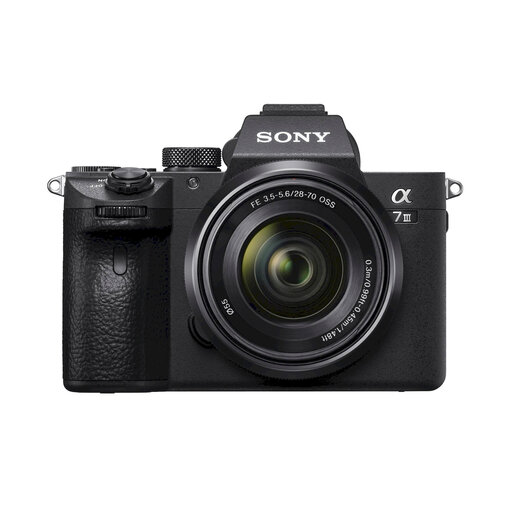
Sony Alpha 7 III with 28–70 mm zoom lens
This full-frame mirrorless kit is an option if you want to choose a tabletop shooting arrangement around its supplied zoom or a separate close-up lens.
Check whether the 28–70 mm zoom can frame your smallest required detail and leaves enough working distance for lighting before relying on it for macro photographs.
View on Joybuy
 No image available
Sony A6400 with 16–50 mm power zoom lens
For photographs taken above or beside a small table, consider whether this APS-C camera’s tilting screen works at your intended angle.
The supplied 16–50 mm zoom is distinct from Sony’s E 30mm F3.5 Macro: check its close-up magnification and working distance, or plan for a compatible dedicated lens if minute details must fill the frame. Check whether you need a memory card separately.
View on Joybuy
 No image available
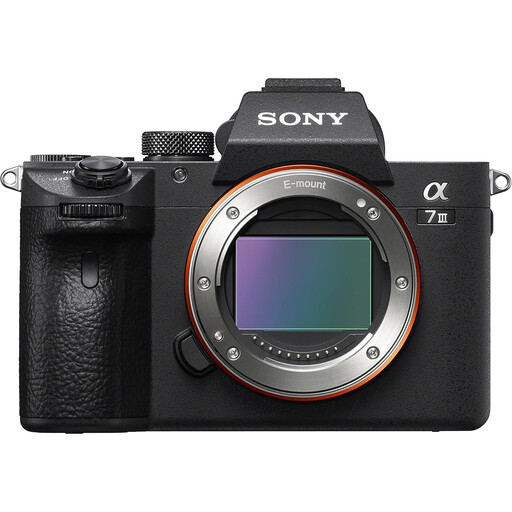
Sony Alpha 7 III full-frame camera, listed as body only
Consider a body-focused purchase if you intend to select the close-up lens around the tool details and lighting space you need.
The product title says body only, while its description also mentions a 28–70 mm lens. Confirm the exact bundle contents before ordering, then check the magnification and working distance of any lens you intend to use.
View on Joybuy
 No image available
Sony A6700 with 16–50 mm lens
If you change camera angles while photographing or filming tools, consider whether this APS-C kit’s rotating screen suits your table arrangement.
Before choosing it for fine details, check the supplied 16–50 mm lens’s magnification and working distance. Confirm the exact lens mount and compatibility of any separate macro lens you plan to use.
View on Joybuy
Frequently asked questions
Do I need a 1:1 macro lens to photograph craft tools?
Choose a 1:1 lens when a tiny feature needs to occupy much of the frame without extensive cropping; you do not need that image scale for every tool photograph. Canon’s macro guidance describes macro magnifications from 0.5x to 1:1, so compare the lens figure with the size of the detail you want to show.
How can I tell whether a macro lens will fit my small table?
Check working distance—the space between the lens front and the subject—as well as minimum focus distance. Sony describes about 2 cm of working distance for the SEL30M35 at close focus; before choosing such a position, make sure you can place your lights and keep unwanted reflections out of the tool.
Can autofocus handle close photographs of engravings and edges?
Autofocus can be a starting point, but inspect whether the intended engraving or edge is actually sharp. At close range, use a selected focus point or manual focus and stable camera support if the camera repeatedly focuses on another part of the tool.
Are photographs I take of my tools protected by copyright in the UK?
Photographs will generally be protected automatically as artistic works, according to the UK Intellectual Property Office. The creator is generally the first owner, though employment or contractual arrangements can affect ownership.
Can I use another maker’s product photographs in my listing?
Usually, you will need permission to copy or share another person’s photographs online, as the UK Intellectual Property Office explains. Take your own photographs or arrange permission for the particular images and use you have in mind.


