What matters when choosing
Start with the smallest detail your photographs need to show, then plan a repeatable lighting setup. Compare body resolution and video features against the images and clips you will actually make.
| Concern |
What to check |
Who this matters to |
| Close-up detail |
Check the exact lens’s maximum magnification and its compatibility with the camera body. Sony, Nikon and Fujifilm specify 1:1 or 1x for the cited macro lenses; Canon specifies 1.4x for its RF 100mm macro lens. |
When I need buyers to inspect a small clasp or engraving, close-up framing comes before other camera features; around 36% of consumers put detail first. |
| Consistent presentation |
Plan a stable camera position and repeatable light, background and reflection control. Check whether the screen suits your tabletop shooting angle. |
If I photograph a whole collection, I need the pieces to look consistent from one listing to the next. That is the main priority for around 29% of consumers. |
| Resolution and cropping |
Compare effective megapixels for the exact body. For a multi-shot mode, check that the camera and jewellery can remain still throughout the capture. |
I may need several crops from one carefully arranged photograph, so the master file matters to me; around 21% of consumers place cropping flexibility first. |
| Product video |
Check whether the camera’s video focusing mode suits your demonstrations, while assessing still-photo macro capability separately. |
When demonstrations are a regular part of my shop content, I want to show an item near the camera without losing focus. Around 14% of consumers prioritise that video workflow. |
Joybuy camera kits
These mirrorless kits provide starting points for listing photographs or, for some sellers, product video. Their supplied zoom lenses should not be treated as substitutes for a macro lens without checking the close-up capability of the exact lens and a compatible macro option.
 No image available
Sony A6400 APS-C with 16–50mm Power Zoom Lens
Consider this kit for general catalogue framing, then check a compatible macro-lens option if tiny details are central to your listings.
The stated kit lens is a 16–50mm power zoom; its close-up magnification needs checking for your intended photographs.
View on Joybuy
 No image available
Sony Alpha 7 III Full-Frame with 28–70mm Zoom Lens
This kit offers a zoom-lens starting point for general product photographs; check a compatible macro lens before relying on it for frame-filling jewellery details.
The stated kit lens covers 28–70mm. Confirm the close-up magnification needed for your smallest pieces.
View on Joybuy
 No image available
Sony A6700 APS-C with 16–50mm Lens
For a mixed stills-and-content workflow, assess this kit against your framing needs before choosing a separate close-up lens.
It has a stated 16–50mm kit lens. Check the exact lens’s magnification and the macro-lens options that fit the camera.
View on Joybuy
 No image available
Sony Alpha ZV-E10 II K APS-C with 16–50mm Power Zoom
Consider this variant if product clips are part of your shop content, while assessing close-up stills as a separate lens decision.
The stated kit lens is a 16–50mm f/3.5–5.6 power zoom, and the product name specifies 26 megapixels. Check the lens’s close-up magnification for jewellery photographs.
View on Joybuy
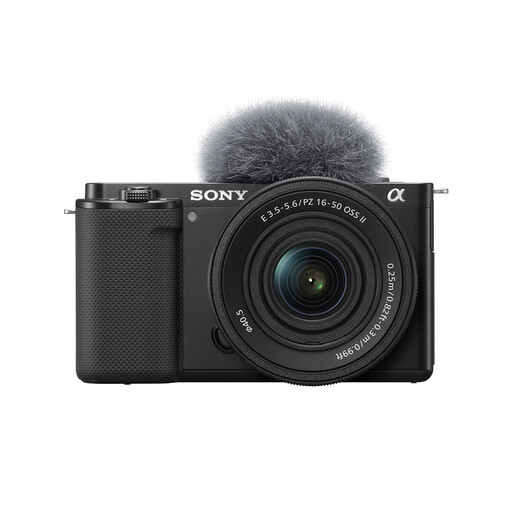 No image available
Sony ZV-E10K with 16–50mm Power Zoom Lens
This interchangeable-lens kit may suit a seller starting with general listing images and video; plan a compatible macro option if small details must fill the frame.
The stated kit includes a 16–50mm power zoom lens. Check its close-up magnification against the pieces you photograph.
View on Joybuy
Frequently asked questions
Do I need a macro lens if my camera has a high-resolution sensor?
Check a dedicated macro lens if frame-filling photographs of tiny details are important to your listings. Cropping a high-resolution image does not establish the lens’s close-focus magnification: the cited Sony, Nikon and Fujifilm macro lenses are specified at 1:1 or 1x, while Canon specifies 1.4x for its RF 100mm macro lens. Confirm the lens mount for the body you choose.
How can I make jewellery listing photographs more consistent?
Keep the camera position, light, background and reflection control repeatable across pieces. Etsy’s jewellery case study describes using a tripod and macro lens for longer exposures and adjusting light, a reflector and backgrounds to address presentation problems; choose an arrangement that suits the materials you sell.
What should I plan alongside the camera kit?
Plan for a compatible macro lens if close detail is essential, plus stable support and tools to control light and reflections. Check what the exact kit contains before deciding how you will build your tabletop setup.
Can I use another creator’s image or show jewellery on a model?
Check image-use permission and the privacy implications before publishing. The UK Intellectual Property Office says photographs are generally protected by copyright, and the Information Commissioner’s Office defines personal data as information relating to an identified or identifiable person. The permissions and responsibilities that apply depend on the particular image and how you use it.


