What matters when choosing?
Start with the detail you want to capture, then check how you will photograph it in woodland light and carry the complete kit along the trail.
| Concern |
What to check |
Who this matters to |
| Close-up detail |
Check the exact lens’s maximum magnification and minimum focusing distance; decide whether 0.5x or 1:1 suits the detail you want. |
If small lichen structures need to fill the frame, I need a lens that focuses close enough and a way to handle shallow depth of field. Around 42% of consumers put close-up detail first. |
| Hand-held shots in shade |
Check where stabilisation is provided and the conditions behind its rating; allow for wind or other subject movement. |
When I stop briefly in woodland shade, I want to limit camera shake without assuming the lichen and surrounding foliage will stay still. For around 33% of consumers, hand-held shooting is the primary concern. |
| Carrying and framing |
Compare the body-and-lens combination and the focal lengths needed for wider views; plan compositions from permitted access. |
If I am carrying the kit along a trail, I want to show where the lichen grows as well as photograph it more closely. Carry comfort and context come first for around 25% of consumers. |
Joybuy product choices
These camera-and-zoom combinations offer options for framing woodland scenes on a walk. If fine lichen detail is your priority, check the supplied lens’s close-focus specifications before choosing either kit.
 No image available
Sony A6700 APS-C camera with 16–50mm lens
Consider this kit if you want a zoom for woodland context shots and intend to assess close-up lens options separately.
Sony UK specifies a 26 MP APS-C sensor and five-axis in-body stabilisation for the α6700; the stabilisation rating is conditional and cannot prevent subject-motion blur.
For fine lichen detail, check the supplied 16–50mm lens’s maximum magnification and minimum focusing distance.
View on Joybuy
 No image available
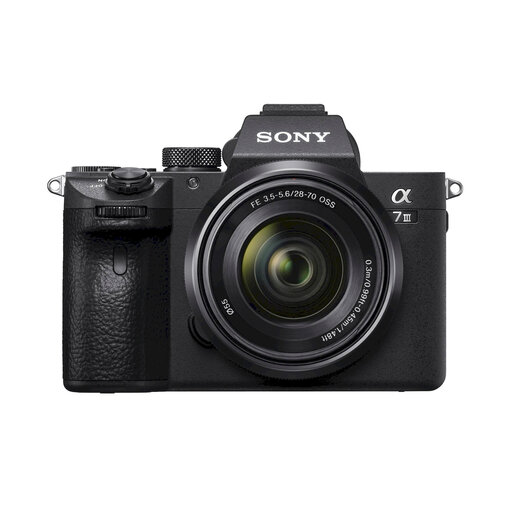
Sony Alpha 7 III full-frame camera with 28–70mm zoom lens
Consider this full-frame camera-and-zoom kit if wider woodland framing is part of the photographs you want to make.
The supplied lens is a 28–70mm zoom. If small lichen structures are the main subject, check that lens’s maximum magnification and minimum focusing distance before buying.
View on Joybuy
Frequently asked questions
Do I need a 1:1 macro lens to photograph lichens?
Not for every photograph: a 0.5x lens can suit larger patches and textures, while 1:1 magnification is worth considering when you want very small structures to fill the frame. Compare the lens’s stated maximum magnification rather than relying on the word “macro” in its name.
Why does a close-up look soft when the camera has focused?
Depth of field becomes very shallow at close range, so only part of the lichen may appear sharp. Canon UK notes this close-distance effect; for a stationary subject and stable camera, focus bracketing and stacking can extend apparent front-to-back sharpness.
Will image stabilisation handle woodland shade?
Stabilisation can reduce blur from camera shake, but it cannot freeze lichen or foliage moving in the wind. Read any quoted rating with its manufacturer test conditions, and choose a shutter speed that accounts for movement in the scene.
Can I leave the woodland path to get closer to a lichen?
Check the rules at the site before leaving a path. For England and Wales, the Countryside Code advises following local signs and keeping to marked paths unless wider access is available; avoid damage or disturbance and leave plants, rocks and trees as you find them.


