Detail-first craft storytellers
You need photographs of stitches, joins, textures or small finished pieces as well as wider views of their maker. Consider both the room a file gives you to crop and whether your chosen lens can focus closely enough.


Choose the camera and lens as a kit: close-up magnification matters when tiny craft details must fill the frame, while resolution helps if you expect to crop wider photographs of a maker at work. For handheld work in bright daylight, assess the viewfinder and complete kit in use. Stabilisation helps with camera shake, but moving hands and tools still need an appropriate shutter speed.
You need photographs of stitches, joins, textures or small finished pieces as well as wider views of their maker. Consider both the room a file gives you to crop and whether your chosen lens can focus closely enough.
You move around a maker at a stall, in a garden or outside a workshop. An eye-level view you can use in bright light, accessible controls and a suitable shutter speed matter when the work is in motion.
You want a manageable camera for portraits, working shots and occasional details. Compare the weight and balance with a lens attached, rather than judging portability by the body alone.
Start with the photograph you cannot afford to miss: a frame-filling craft detail, a moving maker in difficult daylight, or a varied set of portraits and process shots from one manageable kit. Then compare lenses as carefully as camera bodies.
| Concern | What to check | Who this matters to |
|---|---|---|
| Fine detail and cropping | Check resolution alongside the lens’s maximum magnification; decide whether you need life-size 1:1 reproduction or a wider close-up. | If I need tiny stitches or surface textures to fill the photograph, cropping alone may not give me the framing I want. Around 42% of consumers would put fine-detail capture first. |
| Handheld work in bright light | Try the viewfinder outdoors and check how quickly you can set shutter speed and focus on the maker. | When I follow moving hands at an outdoor stall, I need to see the composition clearly and keep motion blur under control. Roughly 33% of consumers would make handheld daylight work their primary concern. |
| A manageable working kit | Handle the body with your intended zoom or close-focus lens attached; consider whether the shoot calls for a second lens. | If I alternate between portraits and photographs of the making process, I want a kit I can comfortably carry and operate. About 25% of consumers would prioritise that flexibility and portability. |
Extra pixels can leave more room to crop, but the lens determines how closely you can focus and how large a small object appears in the frame. Nikon UK specifies 1:1 reproduction for the NIKKOR Z MC 50mm f/2.8; Canon UK specifies 1:2 for the RF 35mm F1.8 Macro IS STM.
Identify the smallest detail you need to photograph, then check the exact lens’s magnification and minimum focusing distance.
Using a standard zoom for wider scenes and a dedicated macro lens for tiny details also means carrying and changing between two lenses.
A stabilised body can reduce blur from camera movement; it cannot stop a maker’s hands or tools moving during an exposure. Manufacturer stabilisation ratings should not be read as a promise of sharp action photographs.
Set a shutter speed suited to the movement you are photographing, and treat stabilisation as help with holding the camera steady.
A light body or a promising viewfinder specification does not tell you how the mounted camera will feel through an outdoor shoot.
Try a comparable zoom or macro lens on the body. Check viewfinder visibility in daylight, grip comfort, access to shutter-speed controls and the weight of everything you will carry.
An identifiable person’s photograph can raise privacy questions when an organisation uses it. The Information Commissioner’s Office says organisations need a lawful basis for using people’s information; the appropriate steps depend on the image and its intended use.
Agree the intended use with the maker, assess your privacy obligations before publication and seek specialist advice for sensitive or complex uses.
These manufacturer-specified systems illustrate different ways to build a kit for maker portraits and craft details. Compare the particular body and lens combination, not the brand name in isolation.
The full-frame Z5II is worth considering if composing handheld in high-contrast daylight and adding a life-size macro lens are priorities.
The APS-C X-T5 offers a high-resolution body for stills photographers who expect to crop wider craft photographs.
The compact full-frame α7C II is a route to consider when maker portraits, process photographs and video all matter.
The full-frame EOS R8 offers a lighter body route for portraits and wider working scenes, with lens choice determining its close-up use.
These Sony camera configurations offer starting points for maker portraits and photographs of work in progress. Some include a zoom; the body-only option needs a compatible lens. For frame-filling craft details, check the close-focus capability of the lens you plan to use.
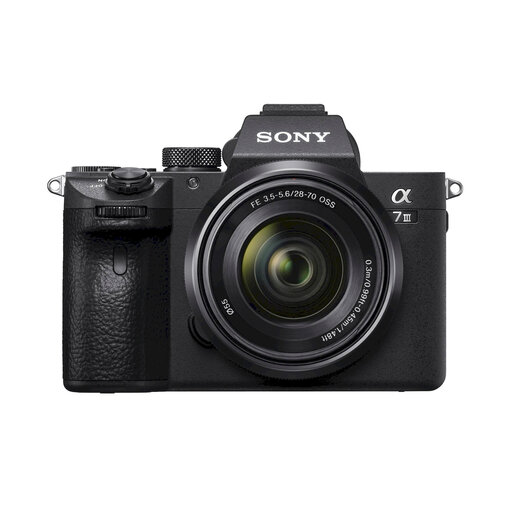 No image available
The supplied zoom is a starting point for maker portraits and wider process photographs. This is a full-frame camera with a 28–70mm lens; check that lens’s close-focus capability if small details must fill the frame, and try the viewfinder in bright daylight.
 No image available
Consider this kit for portraits and views of a maker at work when you want a supplied zoom and autofocus aimed at recognising subjects. The title specifies an APS-C body, a 16–50mm lens and AI-powered autofocus; check the lens’s magnification for fine craft details and assess the viewfinder outdoors.
 No image available
This APS-C kit is an option when portraits, process video and a supplied zoom matter more than eye-level composition. Its title specifies a 16–50 mm f/3.5-5.6 lens, 26 megapixels and 4K60p recording. The listed configuration has no viewfinder, so consider whether composing on the rear screen suits your daylight shoots; check lens magnification for small details.
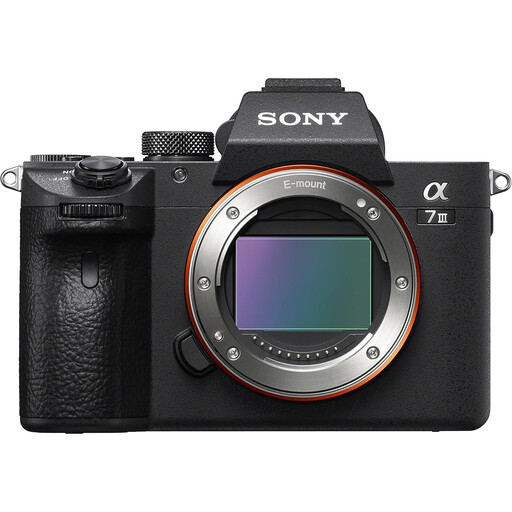 No image available
Choose the body-only configuration if you want to select a compatible lens separately for portraits and craft details. You will need a lens before shooting; check its close-focus specifications and try the complete combination in bright daylight.
 No image available
The supplied zoom makes this a starting kit for maker portraits and wider process shots. Confirm which lens comes with this APS-C camera before buying—the stated zoom ranges differ—and check that lens’s magnification if you need close photographs of small objects.
A 1:1 lens is worth considering when very small details need to fill the frame; wider contextual close-ups may not require it. Nikon UK specifies 1:1 reproduction for the NIKKOR Z MC 50mm f/2.8, while Canon UK specifies 1:2 for the RF 35mm F1.8 Macro IS STM. Check the size of your subject and the framing you need before choosing a lens.
Choose extra resolution if cropping wider craft photographs is important, but do not use pixel count as a substitute for suitable close focus and accurate framing. Fujifilm UK specifies 40.2MP for the X-T5, Sony UK 33MP for the α7C II and Canon UK 24.2MP for the EOS R8; your lens and the way you photograph the work remain part of the decision.
Consider a camera with an electronic viewfinder and try it in the daylight conditions where you expect to shoot. Nikon UK specifies a 3,000-nit viewfinder for the Z5II and describes its use in high-contrast scenes, but you should still assess its visibility and handling for yourself.
Follow the camera and lens manuals for routine care, and use an appropriate service route for work you are not confident doing yourself. Canon UK notes that dust, debris and wear can affect image quality and camera function, so do not treat contamination as merely cosmetic.
Do not assume an identifiable maker’s image can be used for any business purpose without further consideration. Agree the intended use and assess the relevant privacy obligations: the Information Commissioner’s Office says organisations need a lawful basis for using people’s information. Seek specialist advice if the proposed use is sensitive or complex.