What matters when choosing?
Decide whether whole models or miniature details are the priority before choosing a lens. Screen movement and the space needed around the subject then help narrow the camera setup.
Camera with a close-focusing kit zoom
Choose it when: You need to move between whole-model photographs, closer views and wider workshop scenes with one lens.
Allow for: Close focus is not the same as 1:1 macro magnification. Canon UK specifies 0.25x magnification for the RF-S 18-45mm lens, so check whether the exact bundle lens frames your smallest model tightly enough.
Camera with a dedicated macro lens
Choose it when: Miniature folds or paper texture need to fill much more of the image.
Allow for: Sony UK specifies a 2.4 cm minimum working distance for the E 30mm F3.5 Macro. At that distance, fitting lights around the lens may be difficult, and changing between wide and tight compositions is less convenient than with a zoom.
| Concern |
What to check |
Who this matters to |
| Small folds and texture |
Compare the exact lens’s magnification and working distance; minimum focusing distance alone does not tell you how tightly a detail will fill the frame. |
If tiny folds are the subject, I need enough close-up magnification to show them without assuming a high-resolution body will solve the framing problem. Around 36% of consumers put close-up detail first. |
| Framing at a shared table |
Check whether the screen moves into a viewable position for the overhead and low angles you plan to use. |
When I cannot keep moving a model or lean across someone else’s space, I want to compose from where the camera can stand. Flexible framing is the primary need for around 29% of consumers. |
| One compact kit |
Confirm which zoom lens comes in the bundle and whether its retracted size suits your workspace. |
I want to photograph a finished model and then widen the view to show the making process without changing lenses at the table. Around 21% of consumers prioritise a compact all-round kit. |
| Process and people |
Check the camera’s video and autofocus features for your intended shots, and agree how images including identifiable people may be used. |
If I record a demonstration, I need to plan both the shot and what happens to images of participants. Responsible process documentation comes first for around 14% of consumers. |
Joybuy camera-and-zoom options
These Sony camera-and-zoom kits offer ways to frame whole origami models and wider workshop views from different positions. For miniature folds, check the supplied lens’s close-focus and magnification specifications before choosing a kit.
 No image available
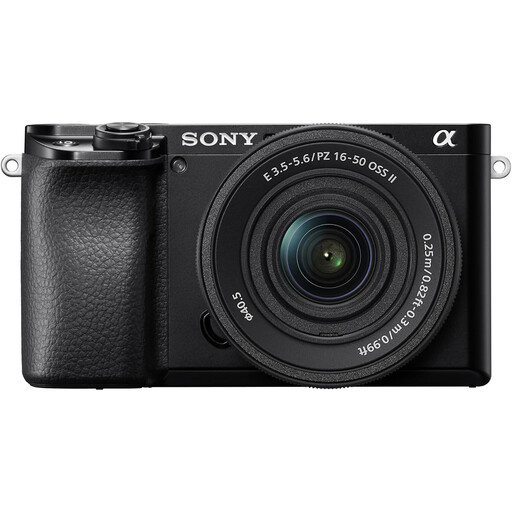
Sony A6400 APS-C with 16–50mm power zoom lens
Consider this kit if you want to change between whole-model and wider table compositions with a zoom. Check the supplied lens’s magnification against the smallest details you need to show.
View on Joybuy
 No image available
Sony Alpha ZV-E10 II K with 16–50mm f/3.5–5.6 power zoom
Consider this APS-C, 26-megapixel kit if your workshop coverage includes both photographs and video. Its title specifies 4K60p recording; confirm the lens’s close-up framing for small folds and what accessories you need for your intended use.
View on Joybuy
 No image available
Sony A6700 APS-C with 16–50mm lens
The supplied zoom gives you a way to change composition between model and workspace views. If close-up detail is your priority, compare that lens’s magnification and working distance before deciding.
View on Joybuy
 No image available
Sony A6100 APS-C with 16–55mm zoom lens
Consider the zoom for changing between a finished model and broader workshop compositions. Confirm the exact supplied lens and its close-focus performance if layered edges need to fill the frame.
View on Joybuy
 No image available
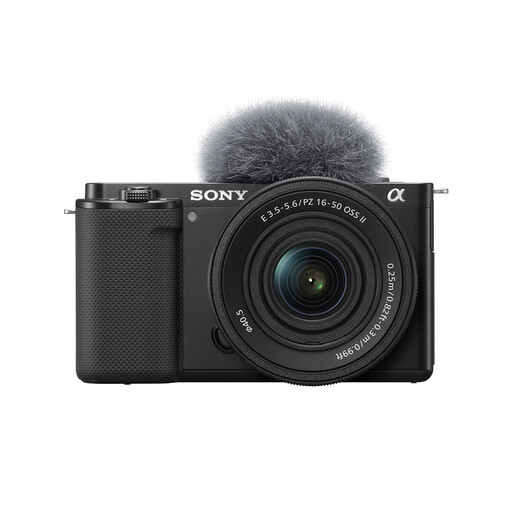
Sony ZV-E10K with 16–50mm power zoom lens
This camera-and-zoom kit is an option for whole models and wider workshop views. Check the supplied lens’s magnification before relying on it for miniature folds or paper texture.
View on Joybuy
Common questions
Is a kit zoom enough for origami, or do I need a macro lens?
A close-focusing kit zoom can suit whole models and less demanding detail shots; choose a macro lens when very small folds need to fill the frame. Sony UK specifies 1:1 magnification for the E 30mm F3.5 Macro, while Canon UK specifies 0.25x for the RF-S 18-45mm zoom. Compare the exact lens in your bundle, including its working distance.
Why does the rear screen matter at a shared table?
A movable screen lets you inspect the composition from overhead or low positions without repeatedly moving the model. Canon UK and Nikon UK specify vari-angle screens for the EOS R50 and Z50II respectively; Sony UK specifies a 180-degree tilting screen for the α6400. Check which movement suits the camera position you plan to use.
How can I manage dust when changing lenses?
Limit lens changes around loose paper fibres, replace camera and lens caps promptly, and follow the maker’s cleaning guidance if marks appear in photographs. Canon UK notes that sensors can attract dust during lens changes, while Nikon UK lists camera and lens cleaning services.
Can I photograph other people at a UK workshop?
Check the workshop organiser’s rules and the intended use of the images before including identifiable people, particularly if an organisation will keep or publish them. The Information Commissioner’s Office defines personal data as information relating to an identified or identifiable individual; GOV.UK explains that data-protection legislation controls organisations’ use of personal information. Neither point establishes one permission rule for every workshop photograph.
What support should I check before buying a camera kit?
Confirm the contents, warranty terms and repair route for the exact camera-and-lens package you are considering. Canon UK provides consumer service and repair information, and Nikon UK provides camera and lens support; the applicable terms depend on the product and seller.


