What matters when choosing
Sony α6400 with E 30mm F3.5 Macro
Choose it when: Small glaze features need to fill much of the frame; Sony UK specifies 1:1 magnification for this lens and 14-bit uncompressed RAW for the α6400.
Trade-off: Sony UK specifies a 2.4 cm minimum working distance at maximum magnification, leaving little room to position lighting around glossy pieces.
Nikon Z50II with NIKKOR Z DX MC 35mm f/1.7
Choose it when: A dedicated close-focus lens with Nikon’s stated 0.67x reproduction ratio meets your detail-framing needs.
Trade-off: The native reproduction ratio is not 1:1. Nikon UK also says its Z50II body-only package does not include a charger, so check the exact bundle.
Canon EOS R50 with RF 35mm F1.8 Macro IS STM
Choose it when: Moderate texture close-ups meet your listing needs; Canon UK specifies up to 0.5x magnification for this lens.
Trade-off: The lens does not reach 1:1, so check whether it can frame your smallest glaze details closely enough.
For pottery listings, decide which need takes priority, then check the body, lens and shooting setup together.
| Concern |
What to check |
Who this matters to |
| Consistent glaze colour |
Check RAW capture for the exact body and plan repeatable lighting and white-balance settings; neither a colour preset nor resolution proves colour accuracy. |
If the same glaze looks different between listing sessions, I need a workflow that keeps lighting and edits consistent. Roughly 31% of consumers would put colour consistency first. |
| Small texture details |
Compare the chosen lens’s maximum magnification and working distance, especially when reflections limit where you can place a diffuser. |
When a tiny mark or glaze feature needs a separate image, I want it large enough in the frame without making the lighting unmanageable. Close-up detail would be the main concern for around 31% of consumers. |
| Regular catalogue shoots |
Check screen movement for your camera position and whether the chosen lens frames whole pieces at your available shooting distance. |
For repeated tabletop sessions, I need to position the camera and compose each pot without rebuilding the setup. Around 23% of consumers would prioritise that catalogue workflow. |
| Complete system purchase |
Check the exact body or kit for its lens, charger and other required accessories, and confirm that a planned close-up lens fits the mount. |
If I am assembling my first product-photography setup, I need to know what the package covers before committing to it. A complete-purchase plan would come first for roughly 15% of consumers. |
Joybuy camera options for pottery listings
These mirrorless camera kits offer zoom-lens starting points for photographing pottery. If small glaze details are central to your listings, check the included lens’s close-up capability and the compatible lens options before choosing a kit.
 Image unavailable
Sony Alpha ZV-E10 II K with 16–50 mm f/3.5–5.6 Power Zoom
Consider this kit if you want a zoom lens for composing whole-pot listing images. The product name identifies an APS-C mirrorless camera, a 26-megapixel sensor and a 16–50 mm f/3.5–5.6 power zoom; check the lens’s close-up magnification if tiny glaze details matter.
View on Joybuy
 Image unavailable
Sony A6400 with 16–50mm Power Zoom Lens
Consider this kit for whole-piece views if you also want an editable capture format: Sony UK specifies 14-bit uncompressed RAW for the α6400 body. The included lens is a 16–50mm power zoom, not the separate E 30mm F3.5 Macro; check its close-up capability for small glaze features.
View on Joybuy
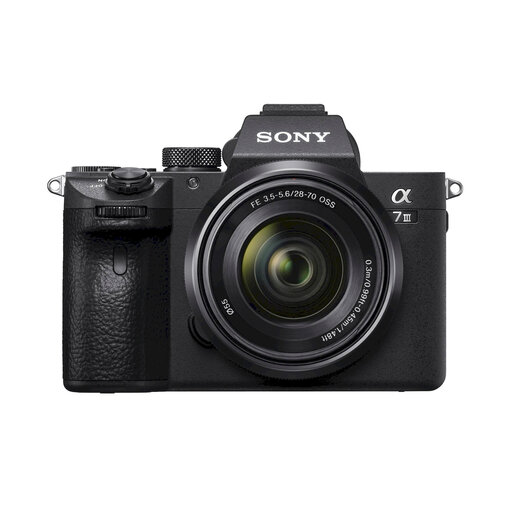 Image unavailable
Sony Alpha 7 III Full-Frame with 28–70mm Zoom Lens
Consider this kit if a 28–70mm zoom suits the whole-pot framing you plan to use. It is a full-frame camera; check the included lens’s close-up capability and the body settings needed for your colour workflow before relying on it for glaze-detail images.
View on Joybuy
 Image unavailable
Sony A6700 APS-C with 16–50mm Lens
Consider this zoom-lens kit for composing whole-piece pottery images. Its product name identifies an APS-C camera with a 16–50mm lens; check that lens’s magnification for close-up work and confirm the capture settings your editing workflow requires.
View on Joybuy
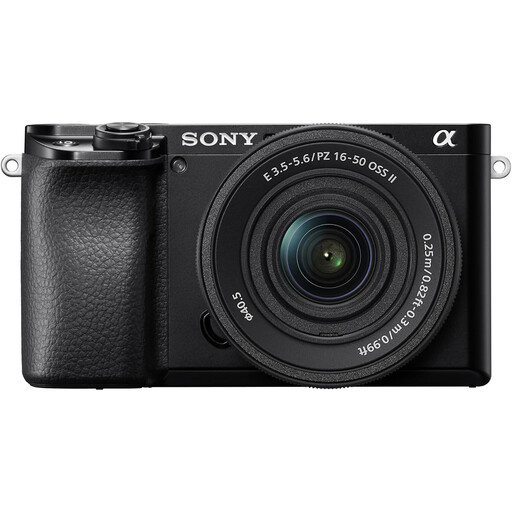 Image unavailable
Sony A6100 APS-C with 16–55mm Zoom Lens
Consider this zoom-lens kit for whole-pot listing views. The product name identifies a 16–55mm lens; confirm its close-up magnification if you need separate images of small glaze features, as well as the capture settings required by your colour workflow.
View on Joybuy
Questions about buying and use
Will a mirrorless camera show the true colour of my pottery glaze automatically?
No. Consistent lighting, white balance and editing matter alongside the camera; RAW files give you room to adjust colour and tone but do not guarantee an accurate finished image. Compare the edited listing image with the physical piece before publishing.
Do I need a macro lens for pottery listings?
You need to consider one if a small glaze feature or maker’s mark must fill much of the frame, but not every whole-pot image calls for it. Compare magnification and working distance: Sony UK specifies 1:1 and a 2.4 cm minimum working distance for the E 30mm F3.5 Macro, Nikon UK specifies 0.67x for the NIKKOR Z DX MC 35mm f/1.7, and Canon UK specifies up to 0.5x for the RF 35mm F1.8 Macro IS STM.
What should I check before ordering a camera body or kit?
Check the exact lens and included accessories against the setup you intend to use, rather than assuming similarly named packages contain the same items. Nikon UK states that its Z50II body-only option does not include a charger; also confirm the close-up lens, memory card and lighting you will need.
What if a camera bought from a UK trader is faulty?
A qualifying faulty camera may fall within the Consumer Rights Act 2015 short-term right to reject, for which the Act sets a minimum 30-day period. Entitlement and the period’s starting point depend on the statutory conditions; keep your order record and identify which remedy applies to the fault.


