Choose the lens and colour-control workflow before choosing a camera body for small-table pottery photographs. A close-focusing kit zoom can serve whole-piece views, while frame-filling glaze details call for checking a compatible macro lens and the space it leaves for lighting. For consistent colour across sessions, use repeatable lighting and a colour-reference workflow rather than relying on a camera colour mode alone.
Who this is for
Potters needing consistent glaze colour
If photographs are used for listings, commissions or a portfolio, a repeatable lighting and colour-reference workflow matters more than choosing a camera JPEG colour mode. Calibrite describes its ColorChecker Classic as a tool for camera profiling, white-balance checks and colour correction.
Makers photographing tiny surface details
Frame-filling images of glaze texture, crystals, stamps or rims depend on the exact lens. Sony specifies 1:1 magnification for its E 30mm F3.5 Macro, but its short working distance also makes lighting clearance worth checking.
One-camera product and everyday photographers
If most photographs show a whole piece or a wider scene, a close-focusing standard zoom may be a useful starting point. Check the framing you need before committing to a separate macro lens.
What to check before buying
Start with the smallest pottery feature you need to photograph, then check how you will control colour and compose the shot within the space around your table.
| Concern |
What to check |
Who this matters to |
| Repeatable glaze colour |
Check the camera's white-balance and editable-file options, and plan a colour-reference capture under the lights you will use. |
If my listings need to show glaze colours consistently across sessions, I need a way to check and correct each capture. Around 31% of consumers put colour control first. |
| Close detail and lighting space |
Compare the exact lens's magnification and working distance, as well as its compatibility with the camera. |
When a small stamp or patch of texture must fill the image, I need enough magnification without blocking my lights. Around 31% of consumers prioritise close-detail capture. |
| Tabletop control |
Check whether you can reach manual focus and see the screen from your intended camera position. |
For repeated whole-piece photographs on a small table, I want to place focus and framing deliberately. Roughly 19% of consumers make straightforward tabletop control their primary need. |
| Kit and future lenses |
Confirm the exact supplied-lens variant and whether a suitable macro lens would be a separate purchase. |
If I also photograph wider scenes, I want a useful starting lens without closing off later lens choices. Around 19% of consumers put that system flexibility first. |
Buying pitfalls
-
Choosing the body before checking the close-up lens
Canon specifies 0.25x magnification for the RF-S 18-45mm lens, while Sony specifies 1:1 for its separate E 30mm F3.5 Macro. Those figures describe different lenses, not a close-up capability shared by every kit from either brand.
Identify the smallest feature you need to fill the frame, then compare compatible lenses and their working distances before settling on a camera system.
If a kit zoom cannot frame that detail, you may need a separate macro lens.
-
Relying on a camera colour mode for glaze colour
A preset does not replace checking white balance and exposure under the lights used for the pottery photographs.
Keep the lighting consistent and include a colour-reference target in sessions where colour consistency matters. Calibrite describes its ColorChecker Classic as supporting camera profiles and colour correction.
-
Assuming the closest focus leaves room for lights
Sony specifies a minimum working distance of 2.4 cm from the front of its E 30mm F3.5 Macro lens. That can restrict where lights or reflectors fit around a small piece.
Check the intended camera angle and light positions against the lens's working distance, rather than choosing by minimum-focus distance alone.
-
Using pressurised air to clean the sensor
Marks from sensor dust can mean extra retouching on plain-background product images. Canon warns against using pressurised air or gas on its sensors.
Follow the instructions for your exact camera model and seek professional cleaning if a mark cannot safely be removed.
Brands and system routes to consider
Sony
An E-mount route for potters whose main output includes enlarged glaze and surface details.
- Sony specifies 1:1 magnification for the E 30mm F3.5 Macro, a separate lens compatible with an α6400 E-mount body.
- Its 2.4 cm minimum working distance calls for a lighting-clearance check. An α6400 kit with a 16–50 mm zoom is not an α6400-and-macro bundle.
Canon
An RF/RF-S route for whole-piece photographs and moderate close-ups before deciding whether a dedicated macro lens is needed.
- Canon specifies manual-focus access for the EOS R50 and a 15 cm minimum-focus distance with up to 0.25x magnification for the RF-S 18-45mm lens.
- That lens's 0.25x magnification is below the 1:1 specification of Sony's separate macro lens. Canon lists no sensor-shift stabilisation for the EOS R50.
Nikon
A Nikon Z kit-lens route for whole-piece pottery views alongside wider scenes and general photography.
- Nikon specifies a 0.2 m minimum-focus distance for the NIKKOR Z DX 16-50mm lens and a control ring that can be assigned to manual focus, aperture or exposure compensation.
- A minimum-focus distance alone does not establish whether this zoom will fill the frame with your smallest glaze detail. Check a compatible macro option if that is essential.
Joybuy camera choices for tabletop pottery
These Sony camera bodies and zoom kits are starting points for general pottery views or a separately chosen close-up lens. Check the exact lens and bundle before relying on any one kit for frame-filling glaze detail.
 No image available
Sony Alpha 7 III with 28–70mm zoom lens
A full-frame zoom kit to consider for whole-piece pottery photographs. Check the included lens's magnification and working distance against the smallest details you need to show.
View on Joybuy
 No image available
Sony Alpha ZV-E10 II K with 16–50 mm power zoom
An APS-C zoom kit to assess for tabletop views and other photography. Before choosing it for tiny glaze details, check the supplied lens's close-focus specifications and the space needed for lighting.
View on Joybuy
 No image available
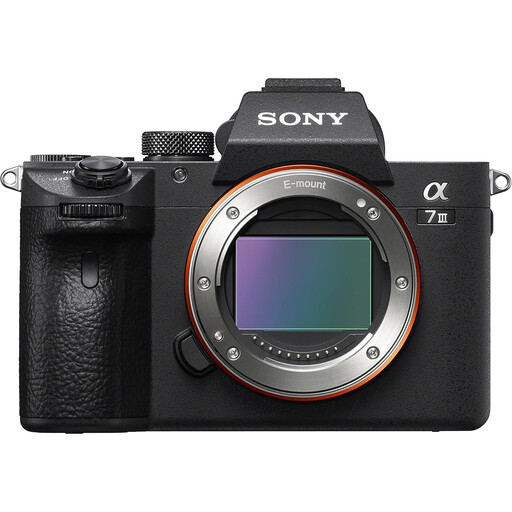
Sony Alpha 7 III full-frame camera body
A body to consider if you intend to choose a lens around your pottery photographs. Confirm the bundle contents before buying: the body-only title and the lens description differ, so do not assume a particular lens is supplied.
Purchase link unavailable
 No image available
Sony A6700 APS-C with 16–50 mm lens
A zoom kit to assess if you photograph whole pieces as well as subjects beyond the pottery table. Check the supplied 16–50 mm lens's magnification and working distance before planning enlarged glaze shots.
View on Joybuy
 No image available
Sony A6400 APS-C with 16–50 mm power zoom
A standard-zoom α6400 kit for general pottery views. The separate Sony E 30mm F3.5 Macro is the 1:1 lens discussed for enlarged details; check its fit and lighting clearance if that is the route you want.
View on Joybuy
Frequently asked questions
Do I need a macro lens to photograph pottery glazes?
Not for every pottery photograph: a close-focusing zoom may cover whole pieces and moderate details. If a tiny surface area must fill the frame, compare exact-lens magnification and working distance. Canon specifies up to 0.25x for its RF-S 18-45mm lens, while Sony specifies 1:1 for its separate E 30mm F3.5 Macro.
Will a camera body alone give me consistent glaze colour?
A camera body alone is not a complete colour-control workflow. Keep lighting repeatable and capture a colour reference under those lights when consistency matters; Calibrite describes its ColorChecker Classic as supporting camera profiles, white-balance checks and colour correction.
How should I deal with sensor dust?
Follow the cleaning instructions for your exact camera model rather than directing pressurised air at the sensor. Canon warns that pressurised air or gas can damage its sensors; if a mark cannot safely be removed, consider professional cleaning.


