Potters building a portfolio
You want photographs that show the pot's form, glaze colour and surface without distracting reflections, whether the images are for a portfolio or a product listing.


For a home pottery portfolio, start with an interchangeable-lens camera that suits your framing and a lens that can focus close enough for the details you want to show. An APS-C body with a flexible screen is a practical route for tripod-based work; consider full frame if its characteristics also serve your wider photography. Neither body choice removes reflections from glossy glaze: soft light, camera position and deliberate exposure remain central.
You want photographs that show the pot's form, glaze colour and surface without distracting reflections, whether the images are for a portfolio or a product listing.
If glaze variation, clay texture or a maker's mark needs its own frame, assess the lens's minimum focusing distance and reproduction ratio as well as the camera body.
A flexible way to frame the pot and a repeatable arrangement of camera support and soft light matter more to this work than an action-focused feature list.
For glazed pottery, plan how you will position the pot and control its reflections, then check the lens against your closest required image before choosing a body.
| Concern | What to check | Who this matters to |
|---|---|---|
| Reflections and colour | Allow room for soft, indirect light and a neutral backdrop; check that you can frame and adjust exposure from your planned camera position. | When glossy glaze catches the surroundings, I need to control the light so the pot's colour and shape remain clear. Around 42% of consumers put reflection and colour control first. |
| Close detail | Check the exact lens's minimum focusing distance and reproduction ratio, not just whether the camera accepts interchangeable lenses. | To show glaze pooling or a maker's mark, I need a lens that can frame the detail closely enough. Close detail is the primary need for around 33% of consumers. |
| Repeatable workflow | Check screen or viewfinder positioning for supported shots and confirm the exact lens, charging arrangement and other kit contents. | If I photograph each new collection alone, I want framing and setup steps I can repeat without disturbing the pot. For around 25% of consumers, that workflow is the first priority. |
Glossy glaze reflects its surroundings. Pottery-photography guidance from The Pottery People and Barta Ceramics points to lighting, camera position and exposure as practical ways to manage the image; a different body alone does not control those reflections.
Plan a soft-light arrangement and backdrop, then choose the camera and lens for the framing and detail the portfolio needs.
A full-pot photograph and a close view of surface texture place different demands on the lens. A camera's pixel count does not establish how closely its supplied lens can focus.
Check the exact lens model, minimum focusing distance and reproduction ratio before relying on a kit for close frames. Nikon, for example, specifies 0.16 m and 0.67× for its separate NIKKOR Z DX MC 35mm f/1.7; 0.67× is not 1:1 reproduction.
Repeatable pottery photographs also call for a suitable lens, stable support and controlled light. Box contents vary: Canon UK Store says a USB-C charger is not included with the EOS R50 or EOS R8, while Nikon UK says a charger is not included with its cited Z50II zoom kit.
Check the current contents of the exact kit and make a list of the lens, charging arrangement, memory card, support, lights and backdrop you will use.
The EOS R50 is an APS-C option for flexible framing; the EOS R8 is a full-frame option to consider when pottery is part of broader photographic work.
The Z50II offers a body to pair with a documented close-focusing DX lens when surface details are a priority.
The X-S20 may suit a portfolio workflow that includes handheld images alongside carefully positioned still photographs.
The Alpha 6400 is an APS-C E-mount option for buyers choosing a body and lens together.
These Sony APS-C and full-frame camera kits offer different starting points for a pottery portfolio. Choose by the framing and lens system you need, and check the supplied lens before planning close glaze-detail photographs.
 No image available
Consider this APS-C kit if you want an interchangeable-lens camera for still portfolio photographs and other creative work. Its listed lens is a 16–50 mm f/3.5–5.6 Power Zoom; check its minimum focusing distance and reproduction ratio if small glaze details are essential.
 No image available
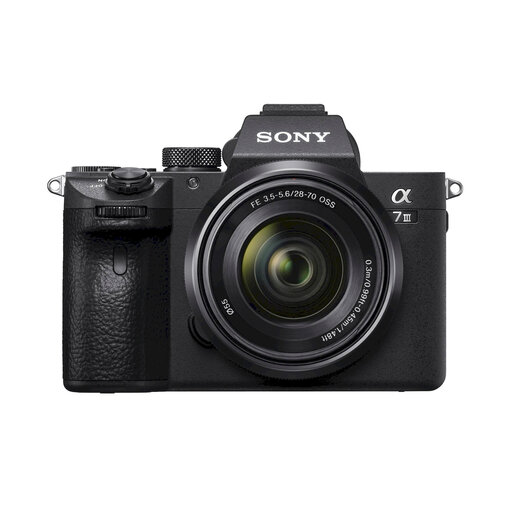
This full-frame kit is worth considering if your camera will also serve work beyond pottery photographs. The supplied 28–70 mm zoom's focal-length range alone does not establish its suitability for close glaze detail; check its reproduction ratio against the frames you need.
 No image available
This APS-C kit is an option for a portfolio that mixes pottery stills with other subjects. Confirm whether the included 16–50 mm lens focuses closely enough for the smallest glaze features you intend to photograph.
 No image available
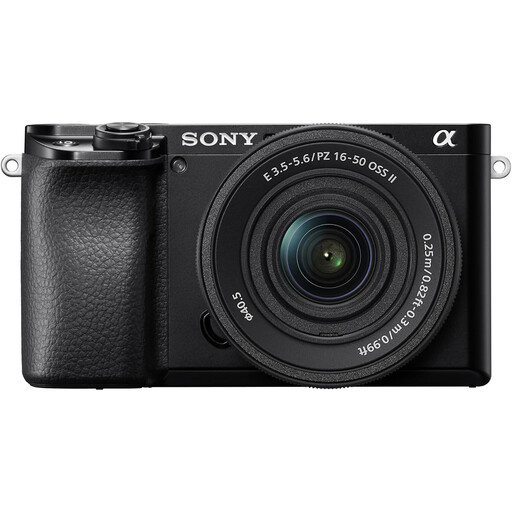
Consider this APS-C E-mount kit if you want to choose lenses as your portfolio needs develop. Sony UK specifies 24.2 MP and 14-bit RAW recording for the A6400 body; assess the included 16–50 mm lens separately for close-detail framing.
 No image available
This APS-C kit offers an interchangeable-lens starting point for photographing whole pots. Before choosing it for close-ups, confirm the exact supplied zoom-lens model and its minimum focusing distance and reproduction ratio.
No. Guidance from The Pottery People and Barta Ceramics points to soft or indirect light, camera position and exposure control for managing reflections and showing the surface. Choose a body you can frame and expose deliberately, but plan the lighting arrangement too.
Not for every photograph of a whole pot, but close-focusing capability matters if glaze pooling, texture or maker's marks need separate frames. Check the exact lens's minimum focusing distance and reproduction ratio rather than relying on its category name.
Check the supplied lens and charging arrangement, then plan the support, lighting and backdrop needed for repeatable photographs. Box contents depend on the exact kit: Canon UK Store states that a USB-C charger is not included with the EOS R50 or EOS R8, and Nikon UK states that a charger is not included with its cited Z50II zoom kit.
Use an appropriate battery collection route rather than household rubbish. UK guidance from the Office for Product Safety and Standards also advises taping the terminals of lithium batteries where practical to reduce fire risk; electrical equipment can be taken to an appropriate collection point or household waste recycling centre.