What matters when buying?
For a mirrorless system used to photograph printed invitations, decide how tightly you need to crop before settling on a body and compatible lens. Then consider colour editing, support for flat-lays and any equipment you already own.
| Concern |
What to check |
Who this matters to |
| Close-up detail |
Check the lens’s maximum magnification. For frequent tight crops, compare 1:1 lenses with 1:2 close-focus options. |
If I need foil, embossing or fine lettering to fill a tight crop, enlargement is my priority. Around 31% of consumers put close-up detail first. |
| Colour and editing |
Confirm RAW still-image recording, then compare a test image with the printed piece under your intended lighting. |
When the photographed colours need checking against an invitation in hand, I want an editable file and a repeatable lighting setup; around 31% of consumers make colour control their primary concern. |
| Consistent flat-lays |
Check that you can support the camera securely above the card and keep it parallel to the print. |
If I photograph complete suites repeatedly, I need square framing that I can reproduce. For around 23% of consumers, stable full-suite photography comes first. |
| System fit |
Check the body’s lens mount, the compatible lens’s close-focus specification and the support and lighting your setup needs. |
Already owning camera equipment makes me want to check what will work together before changing systems. Around 15% of consumers prioritise mount continuity and a manageable kit. |
Sony camera-and-zoom kits on Joybuy
These Sony camera-and-zoom kits are choices to consider for full invitations and broader compositions. If tight crops of small details are a regular requirement, check the supplied lens’s maximum magnification and whether a compatible macro lens would be needed.
 No image available
Sony Alpha 7 III full-frame camera with 28–70mm zoom lens
Consider this camera-and-zoom kit for full-invitation compositions; check the supplied lens’s magnification before relying on it for tight detail crops.
Full-frame camera with a 28–70mm zoom lens.
View on Joybuy
 No image available
Sony Alpha ZV-E10 II K APS-C camera with 16–50 mm f/3.5–5.6 power zoom
This camera-and-zoom kit is worth considering for whole-card photographs; check the lens’s close-up magnification if small print or texture needs a tight crop.
APS-C camera with a 16–50 mm f/3.5–5.6 power zoom lens.
View on Joybuy
 No image available
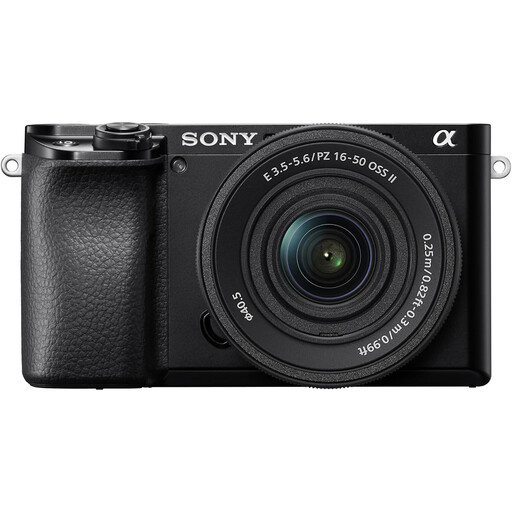
Sony A6400 APS-C camera with 16–50mm power zoom lens
If you want editable invitation images and may add a macro lens, check whether this camera-and-zoom kit fits your intended setup. Sony UK specifies 14-bit uncompressed RAW for the α6400; check the supplied zoom’s magnification for tight crops.
APS-C camera with a 16–50mm power zoom lens.
View on Joybuy
 No image available
Sony A6100 APS-C camera with 16–55mm zoom lens
Consider this camera-and-zoom kit for full-card photographs, then check the zoom’s magnification if close detail is important. Confirm the still-image file formats if RAW editing is part of your workflow.
APS-C camera with a 16–55mm zoom lens.
View on Joybuy
Common questions
Do I need a 1:1 macro lens to photograph invitations?
Not if you mainly photograph complete invitations and only occasional close details. A 1:1 lens is worth considering when small lettering, foil or texture needs to fill much of the frame; Canon UK specifies 1:2 magnification for the RF 35mm F1.8 MACRO IS STM, while Sony UK and Nikon UK specify 1:1 for the macro lenses discussed here.
How should I position a camera above a flat invitation?
Keep the camera parallel to the invitation and support it securely overhead for consistent framing. Nikon UK advises using a tripod for high-magnification work because camera shake becomes more noticeable.
Will shooting RAW make invitation colours accurate?
No: RAW gives you an editable capture format, not a guaranteed match to paper and ink. Photograph a physical sample under your intended lighting and compare the edited image with the invitation before repeating the setup.
What if a camera or lens develops a fault after a UK purchase?
Keep the order record and product description, and contact the seller about the fault. Under the UK Consumer Rights Act 2015, goods supplied under a consumer contract must be of satisfactory quality; a faulty-goods issue is distinct from a change-of-mind return.
How can I keep dust out of invitation photographs?
Change lenses carefully and inspect images of plain paper for dust spots. Canon UK notes that sensors can attract dust when lenses are changed; follow your camera manual’s cleaning guidance or arrange professional servicing if needed.


