What matters when choosing
Decide how close the smallest required detail must appear, then consider how often you need to switch between that detail and a full invitation layout.
Nikon Z50II with NIKKOR Z MC 50mm f/2.8
Consider it when: Tiny lettering or surface detail is a principal subject; Nikon UK specifies 1:1 macro magnification for the lens.
Allow for: Its 0.16 m minimum focus distance makes light and shadow placement worth testing, and the body and lens are separate components to confirm in your order.
Canon EOS R50 with RF-S 18-150mm
Consider it when: One lens needs to cover full invitation layouts and nearer details; Canon UK specifies up to 0.59x magnification in manual-focus macro use at 35 mm.
Allow for: That maximum magnification is below the Nikon lens’s specified 1:1, so check whether it frames your smallest detail closely enough.
| Concern | What to check | Who this matters to |
|---|
| Fine print and texture |
Check the exact lens’s maximum magnification, minimum focus distance and mount compatibility. |
If tiny lettering or embossing needs a separate close-up, I want to know the lens can fill enough of the frame. Around 40% of consumers put close detail first. |
| Full layouts and closer crops |
Check the zoom range, close-focus capability and whether the lens is included with the camera. |
When photographing both a complete invitation suite and individual details, I would rather change framing than repeatedly change lenses. Around 30% of consumers prioritise that flexibility. |
| Repeat shoots and other work |
Check screen movement, the intended lens’s compatibility and the weight of the complete setup. |
If I also use the camera for other projects, I need a setup I can position and operate comfortably without overlooking close focus. For around 30% of consumers, that broader usability is the primary concern. |
Joybuy camera kits
These camera-and-zoom kits offer starting points for photographing invitation layouts. If fine print, embossing or texture must fill the frame, check the supplied lens’s close-focus specifications before choosing a kit.
 Image unavailable
Sony A6400 with 16–50mm Power Zoom Lens
Consider the supplied zoom if you need to change framing between invitation layouts and closer crops. Check its magnification and minimum focus distance against your smallest detail.
APS-C mirrorless camera; 16–50mm Power Zoom Lens.
View on Joybuy
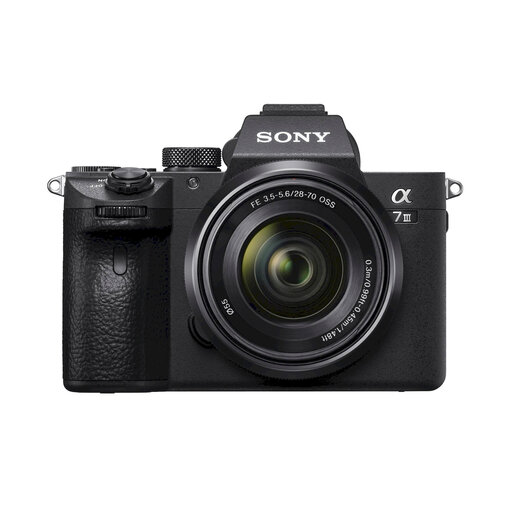 Image unavailable
Sony Alpha 7 III with 28–70mm Zoom Lens
The supplied zoom gives you a range of framing options for invitation arrangements; check whether it can frame the smallest detail required for your images.
Full-frame mirrorless camera; 28–70mm Zoom Lens.
View on Joybuy
 Image unavailable
Sony Alpha ZV-E10 II K with 16–50 mm f/3.5–5.6 Power Zoom Lens
The included zoom offers framing choices for whole invitations and closer crops. For small lettering or texture, confirm the lens’s close-focus capability.
APS-C interchangeable-lens camera; 16–50 mm f/3.5–5.6 Power Zoom kit lens.
View on Joybuy
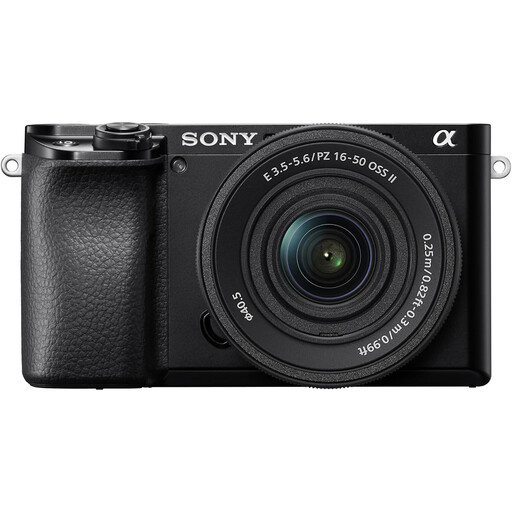 Image unavailable
Sony A6100 with 16–55mm Zoom Lens
Consider this kit if a supplied zoom suits your layout photography. Check the exact lens and its close-focus specifications before relying on it for fine details.
APS-C mirrorless camera; 16–55mm Zoom Lens.
View on Joybuy
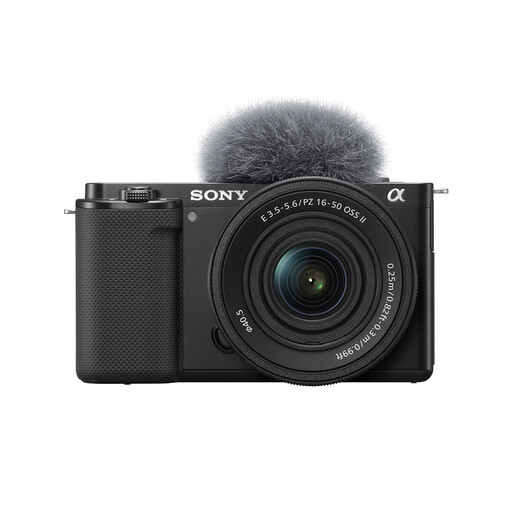 Image unavailable
Sony ZV-E10K with 16–50mm Power Zoom Lens
The supplied zoom is relevant if you want to vary invitation framing with one lens. Confirm that it can focus closely enough for the printed details you intend to show.
Interchangeable-lens camera; 16–50mm Power Zoom Lens.
View on Joybuy
Common questions
Does a dark background mean I need a special low-light camera?
No particular low-light body follows from the backdrop alone. Choose a lens that frames the required invitation detail, then test your paper, background and lighting for exposure and reflections. Nikon UK says the Z50II’s electronic viewfinder previews the effect of setting changes, but that does not guarantee faithful reproduction of a particular print.
When is a dedicated macro lens worth considering for invitations?
Consider one when tiny lettering, embossing or texture is central to the finished images. Nikon UK specifies 1:1 magnification and a 0.16 m minimum focus distance for the NIKKOR Z MC 50mm f/2.8; Canon UK specifies up to 0.59x for the RF-S 18-150mm in manual-focus macro use at 35 mm. Check the framing you need as well as the space available for lighting.
What should I check in a UK online camera listing?
Confirm the exact body, included lens, mount compatibility, delivery arrangements and cancellation information before ordering. GOV.UK’s guidance on UK distance selling sets out information sellers must provide and states that customers can cancel up to 14 days after delivery, subject to applicable exceptions. Check the seller’s terms for the particular order.
What if a new camera or lens is faulty after delivery?
Contact the seller promptly and keep your order details and evidence of the fault. Highland Council Trading Standards explains that UK consumers can reject faulty goods within 30 days for a refund; this is a remedy for faulty goods, distinct from cancelling an order because you have changed your mind.


