Close-detail toy sellers
If listing photographs need to show stitches, yarn texture, eyes and seams, the lens’s close framing and a repeatable camera position deserve attention before action-shooting features.


Start with the supplied lens’s close-focusing ability, then choose a screen and working setup that fit your shared table. A compact APS-C kit suits a pack-away stills setup; if you also film demonstrations, check the video features you need and plan lighting that lets you show yarn texture consistently.
If listing photographs need to show stitches, yarn texture, eyes and seams, the lens’s close framing and a repeatable camera position deserve attention before action-shooting features.
When table space and light change around other people, consider how easily you can position the screen, keep the background clear and pack the camera away.
If you also record construction steps or show a toy to camera, look at screen movement and how the camera handles a change of subject during video.
Check the exact kit lens for the detail shots you need, then consider how you will frame and light the toy in the shared space. Give video features more weight only if you will use them.
| Concern | What to check | Who this matters to |
|---|---|---|
| Close framing | Check the included lens model, minimum focus distance and maximum magnification; focus distance alone does not tell you how much of the frame a tiny feature will fill. | If I need individual stitches and facial details to be clear in listing photos, I want to know how tightly the supplied lens can frame them. Around 42% of consumers put close-detail framing first. |
| Shared-space use | Check the body-and-lens size, screen movement and any quiet-shooting mode. Plan a stable tabletop position and a clear background. | Working beside other makers, I need to set up and put away my camera without taking over the table or distracting people nearby. For around 33% of consumers, that practical workshop fit comes first. |
| Photos and video | Check screen movement, the video modes you need and whether autofocus can follow the subject changes in your planned clips. | When I photograph finished toys and also film demonstrations, switching between a tabletop subject and an item held up to camera matters to me. Photo-and-video flexibility is the main concern for around 25% of consumers. |
Similar-looking zoom kits can frame small details differently. Canon UK specifies 15 cm minimum focus and 0.25× maximum magnification for the RF-S 18-45mm lens; Nikon UK specifies 0.2 m minimum focus for the NIKKOR Z DX 16-50mm, while Sony UK specifies 0.25–0.30 m and 0.215× for the E PZ 16-50mm.
Confirm the full lens model in the bundle and decide whether its framing covers your smallest toy details.
If it cannot, closer framing may require another suitable lens.
The Canon, Nikon and Sony kit zooms discussed here all have variable maximum apertures. For repeatable texture photographs, decide how you will light and support the camera rather than choosing on body specifications alone.
Try your intended framing, aperture and lighting with a knitted sample before settling on the setup.
A tabletop support, light or diffuser may need space in your workshop kit.
A quiet shutter does not keep people or clutter out of the photograph. The Information Commissioner’s Office says a photograph in which someone can be recognised is usually their personal data.
Agree where you will shoot, frame away from other users where possible and clarify how images showing recognisable people will be used before publishing them.
The camera body may suit your work while a different included lens changes the close-framing decision. Availability and bundle contents can also change.
Before ordering, confirm the exact lens, included accessories and current retailer terms for the particular listing.
The EOS R50 with RF-S 18-45mm lens is a compact APS-C route for tabletop stills and adjustable framing.
The Z50II with NIKKOR Z DX 16-50mm lens is relevant when finished-toy photographs sit alongside demonstrations.
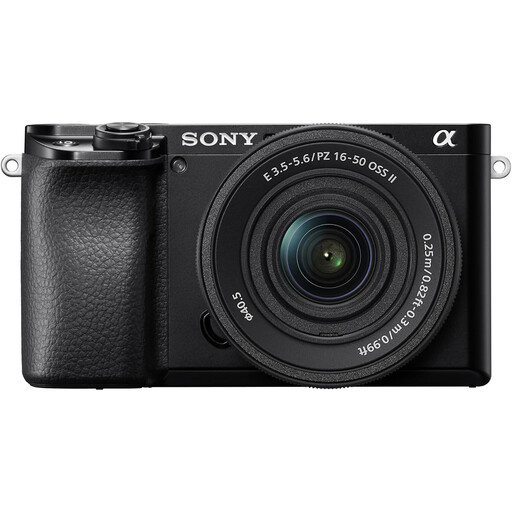
The Alpha 6400 with E PZ 16-50mm lens is worth considering when shutter noise is a particular concern in the shared space.
These camera-and-zoom listings cover quiet workshop shooting, general toy photographs and occasional video. Check the supplied lens against your required close-up framing before choosing a kit.
 No image available
Consider this kit when shutter noise matters around other workshop users: Sony UK specifies silent shooting for the Alpha 6400.
The included zoom is listed as 16–50mm. Sony UK specifies 0.25–0.30 m minimum focus and 0.215× maximum magnification for the matching E PZ 16-50mm lens; check that this frames your smallest stitches closely enough.
 No image available
This full-frame camera-and-zoom listing is an option to assess for whole-toy and medium-detail photographs.
The supplied lens is listed as 28–70mm. Before choosing it for stitch-level images, check how tightly that exact lens can frame the details you need.
 No image available
Consider this APS-C camera-and-lens listing if you need to frame toys at different working angles and also make videos.
The included lens is listed as 16–50mm. Confirm its exact model, minimum focus distance and magnification before relying on it for tiny knitted features.
 No image available
This APS-C kit is worth assessing if you want a zoom for toy photographs and need to work from changing camera angles.
The lens is listed as 16–55mm. Confirm its exact model and close-focus specifications for detail shots, and check the body-and-lens weight if you carry the kit between sessions.
 No image available
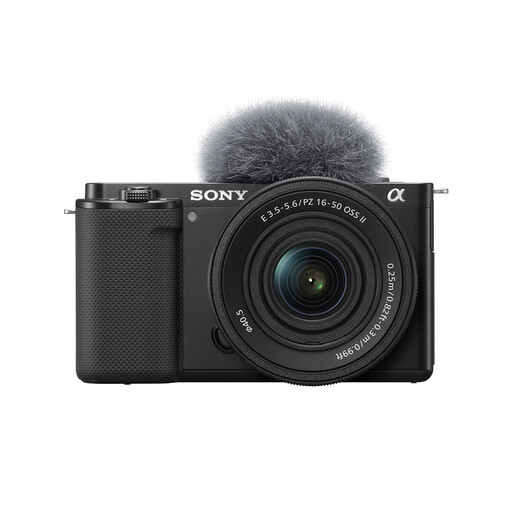
Consider this interchangeable-lens camera kit if process clips are part of your workshop photography plans.
The included power zoom is listed as 16–50mm. Check the supplied lens’s minimum focus distance and magnification against the smallest toy details you photograph.
Not necessarily: check whether the exact kit lens frames your smallest required detail before adding another lens. Canon UK specifies 15 cm minimum focus and 0.25× maximum magnification for the RF-S 18-45mm; a dedicated macro lens becomes more relevant if you regularly need tiny stitches or components to fill the frame.
No: lens stabilisation can help with handheld movement, but a support gives you a fixed position for repeatable toy photographs. Canon UK specifies four-stop optical stabilisation for the RF-S 18-45mm, while Nikon UK rates its DX 16-50mm in-lens vibration reduction at up to 4.5 stops under CIPA standards; neither figure describes your particular tabletop setup.
Plan to keep other users out of frame unless their inclusion and the intended use of the images have been addressed. The Information Commissioner’s Office says recognisable photographs are usually personal data and that people should be told upfront how their data will be used; what else is required depends on who takes, stores and publishes the images and why.
Agree a small shooting area, keep the background clear and choose shooting behaviour that does not interrupt nearby makers. If shutter noise is a particular issue, Sony UK specifies silent shooting for the Alpha 6400; check how the mode works on the camera you intend to use.